UseCalcPro
Home
MathFinanceHealthConstructionAutoPetsGardenCraftsFood & BrewingTools
Blog
  1. Home
  2. Garden

Chicken Run Calculator — Run Area, Fencing & Posts

Plan outdoor run area per bird with fencing and post materials

Run Area

200 sq ft

Perimeter

60 ft

Posts

9

Wire Rolls

2

Units

10 sq ft per bird (minimum)

Total Run Area

200 sq ft

Min recommended: 60 sq ft

Perimeter

60 ft

Posts

9

Materials List

Fence Posts9
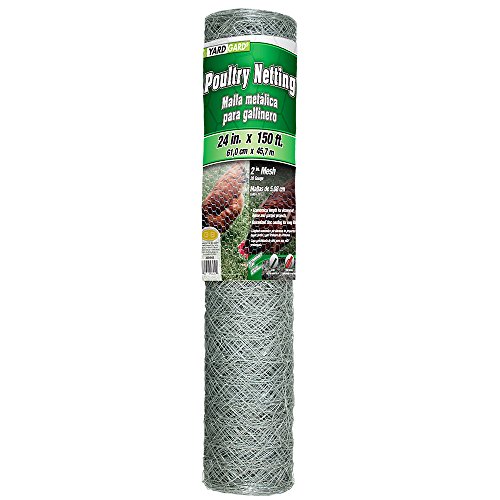
Wire Rolls (50 ft)2
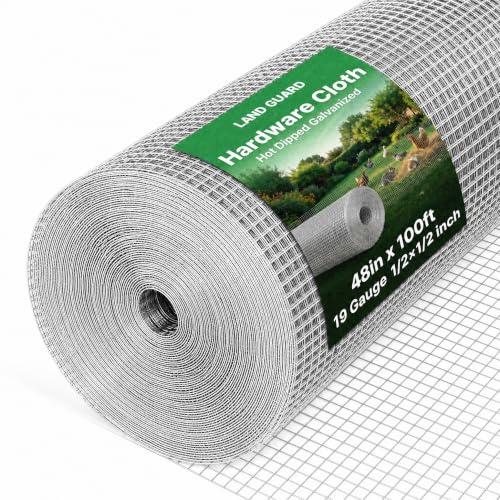
Hardware Cloth (ft)120
Gates1

What You'll Need

JVR Automatic Chicken Coop Door Opener with Timer

JVR Automatic Chicken Coop Door Opener with Timer

$120-$1704.3
View on Amazon
KEBONNIXS 12 Egg Digital Incubator

KEBONNIXS 12 Egg Digital Incubator

$40-$604.4
View on Amazon
JVR Automatic Chicken Coop Door Opener with Timer

JVR Automatic Chicken Coop Door Opener with Timer

$120-$1704.3
View on Amazon
KEBONNIXS 12 Egg Digital Incubator

KEBONNIXS 12 Egg Digital Incubator

$40-$604.4
View on Amazon

As an Amazon Associate, we earn from qualifying purchases.

Find a Landscaper Near You

Get free quotes from landscaping professionals near you

A
Angi4.7/5

Verified reviews & background checks

Get Free Quotes

Showing results for your area

Example Calculations

16 Standard Hens, 20×10 ft Run

Inputs

Birds6
Bird TypeStandard Hen
Run Length20 ft
Run Width10 ft
Fence Height6 ft
Post Spacing8 ft

Result

Run Area200 sq ft
Min Recommended60 sq ft
Perimeter60 ft
Posts9
Wire Rolls (50ft)2

Area = 20 × 10 = 200 sq ft. Min = 6 × 10 = 60 sq ft. Perimeter = 2(20+10) = 60 ft. Posts = ceil(60/8) + 1 = 9.

212 Standard Hens, 30×20 ft Run

Inputs

Birds12
Bird TypeStandard Hen
Run Length30 ft
Run Width20 ft
Fence Height6 ft
Post Spacing8 ft

Result

Run Area600 sq ft
Min Recommended120 sq ft
Perimeter100 ft
Posts14
Wire Rolls (50ft)2

Area = 30 × 20 = 600 sq ft. Min = 12 × 10 = 120. Perimeter = 100 ft. Posts = ceil(100/8)+1 = 14.

Frequently Asked Questions

Q

How much run space does each chicken need?

Standard hens need at least 10 square feet of outdoor run space each. Bantams need 8 sq ft, large breeds 12 sq ft, and ducks 15 sq ft. Free-range birds still benefit from a secure run for overnight and predator protection.

  • Standard hens: 10 sq ft per bird minimum in an enclosed run
  • Bantams: 8 sq ft per bird due to smaller body size
  • Large breeds (Orpingtons, Brahmas): 12 sq ft per bird
  • Ducks: 15 sq ft per bird, plus water access area
  • More space always reduces pecking, stress, and disease
Bird TypeRun Sq Ft/Bird6 Birds12 Birds
Standard Hen1060 sq ft120 sq ft
Bantam848 sq ft96 sq ft
Large Breed1272 sq ft144 sq ft
Duck1590 sq ft180 sq ft
Q

How tall should a chicken run fence be?

A chicken run fence should be at least 6 feet tall to prevent most breeds from flying over. Heavy breeds like Orpingtons rarely clear 4 feet, but lighter breeds like Leghorns can easily clear 6 feet without a covered top.

  • 4 ft: sufficient only for heavy breeds (Orpingtons, Brahmas)
  • 6 ft: standard recommendation for most backyard flocks
  • 8 ft: needed for flighty breeds like Leghorns or Hamburgs
  • Covered run with hardware cloth is the most predator-proof option
  • Add a 2 ft apron of wire buried along the base to stop digging predators
Q

What materials do I need for a chicken run?

A basic chicken run needs fence posts every 8 feet, welded wire or hardware cloth fencing, at least one gate, and optional predator-proofing with a buried wire apron. Hardware cloth (1/2 inch) is safer than chicken wire against raccoons and hawks.

  • Fence posts: pressure-treated 4×4 or T-posts every 6–8 ft
  • Hardware cloth (1/2"): strongest predator protection
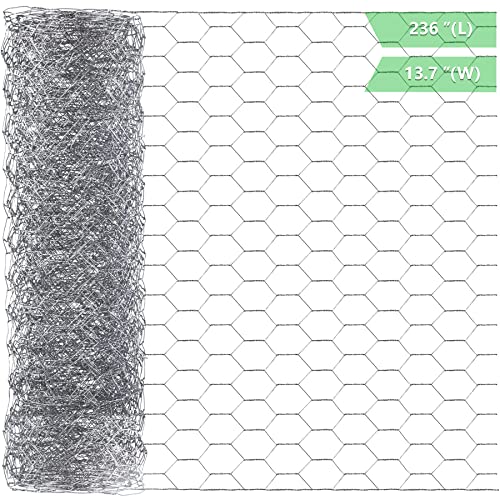
  • Chicken wire: budget option but weak against raccoons
  • Gate: at least one 3–4 ft wide for wheelbarrow access
  • Hardware cloth apron: 2 ft around perimeter for dig protection
Q

How many fence posts do I need for a chicken run?

Divide the perimeter by your post spacing (typically 8 feet) and add 1. A 20×10 ft run has 60 ft perimeter, needing about 8–9 posts at 8 ft spacing. Corner posts should be heavier gauge or larger diameter than line posts.

  • Formula: Posts = ceil(Perimeter / Spacing) + 1
  • 8 ft spacing is standard for most wire fencing
  • Corner posts: use 4×4 or larger for structural support
  • T-posts work for line posts and are cheaper than wood
  • Add 1–2 extra posts for gate framing

Related Calculators

Chicken Coop Calculator

Calculate coop size per bird

Garden Fence Calculator

Plan fencing materials and costs

Egg Production Calculator

Estimate egg yield per hen

Duck House Calculator \u2014 Shelter & Run Size per Duck

Calculate duck shelter size and outdoor run area per bird. Get fencing material, water area, and post count estimates for your backyard duck housing setup.

Goat Pen Calculator \u2014 Pen Size, Shelter & Fencing

Calculate goat pen size per head, shelter area, and fencing materials. Plan the right pen dimensions for standard, miniature, dairy, or meat goat breeds.

Livestock Fencing Calculator \u2014 Posts, Wire & Gates

Calculate pasture fencing materials including posts, wire rolls, and gates by perimeter. Plan woven wire, high tensile, board, or electric fence for livestock.

Related Resources

Vegetable Garden Spacing Chart: Plant Spacing Calculator and Yield Guide

Read our guide

Cooking Time Calculator: How Long to Cook Meat by Weight

Read our guide

Protein Calculator: How Much Protein Do You Need Per Day?

Read our guide

Chicken Coop Calculator

Calculate coop size and nesting boxes

Garden Fence Calculator

Plan garden fencing materials

Egg Production Calculator

Estimate egg yield from your flock

More Garden Calculators

Explore our full collection of garden and outdoor planning tools

View All Garden Calculators

Last Updated: Mar 19, 2026

This calculator is provided for informational and educational purposes only. Results are estimates and should not be considered professional financial, medical, legal, or other advice. Always consult a qualified professional before making important decisions. UseCalcPro is not responsible for any actions taken based on calculator results.

UseCalcPro
FinanceHealthMath

© 2026 UseCalcPro