16 Ducks with 8×6 Shelter and 20×15 Run
Inputs
Result
Shelter = 8×6 = 48 sq ft (min 24). Run = 20×15 = 300 sq ft (min 90). Water = 6×2 = 12 sq ft.
Shelter Area
48 sq ft
Run Area
300 sq ft
Posts
10
Water Area
12 sq ft
Shelter Area
48 sq ft
Meets minimum (24 sq ft)
Run Area
300 sq ft
Water Area
12 sq ft
Get free quotes from landscaping professionals near you
Showing results for your area
Inputs
Result
Shelter = 8×6 = 48 sq ft (min 24). Run = 20×15 = 300 sq ft (min 90). Water = 6×2 = 12 sq ft.
Inputs
Result
Shelter = 12×8 = 96 sq ft (min 48). Run = 30×20 = 600 sq ft (min 180). Water = 12×2 = 24 sq ft.
Each duck needs 4 sq ft of shelter space and 15 sq ft of outdoor run space. Ducks also need 2 sq ft of water area per bird for a small pool or trough — they must be able to submerge their heads to stay healthy.
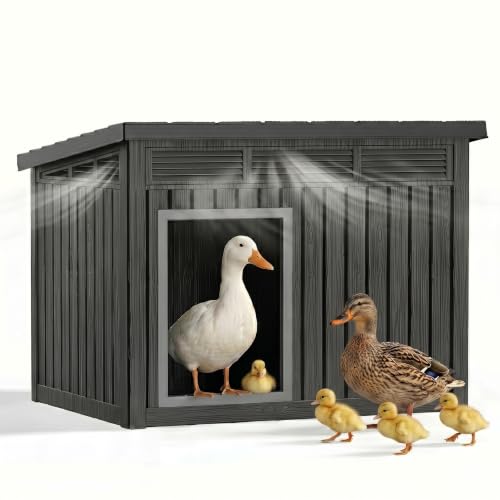
Yes. Duck shelters should have ground-level access (no ramps), excellent ventilation, and waterproof bedding. Ducks produce more moisture than chickens, so airflow is critical to prevent respiratory problems.
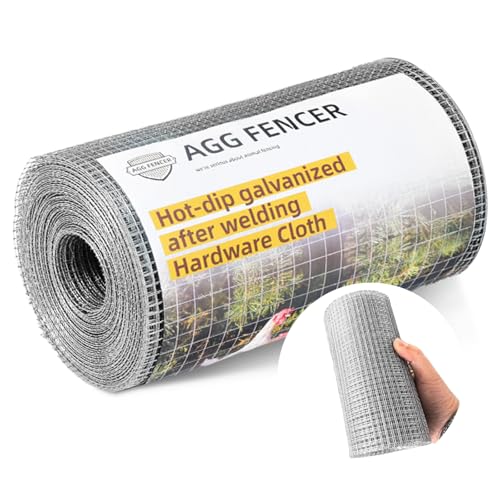
Ducks need 3–4 ft fencing (they rarely fly) but the run must be fully enclosed on top if predators like hawks are present. Hardware cloth is preferred over chicken wire for predator protection.
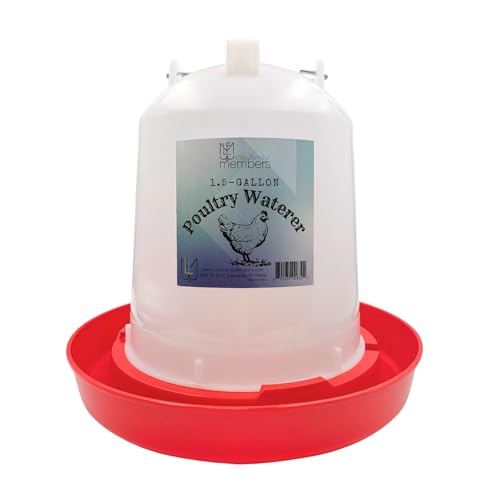
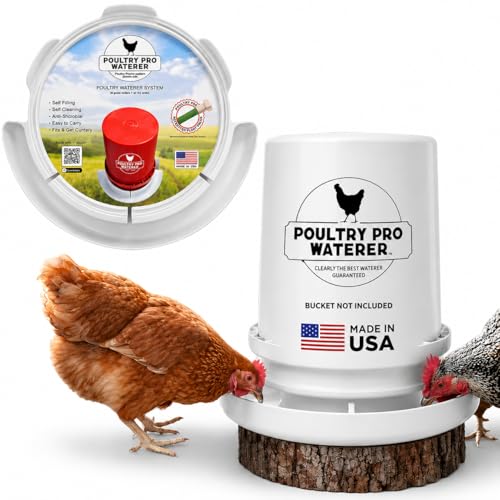
Each duck needs about 2 sq ft of water area for bathing and head-dipping. A small kiddie pool (4×4 ft) serves 6–8 ducks. Ducks must be able to fully submerge their heads to clear their nostrils and eyes.
Explore our full collection of garden and outdoor planning tools
Last Updated: Mar 19, 2026
This calculator is provided for informational and educational purposes only. Results are estimates and should not be considered professional financial, medical, legal, or other advice. Always consult a qualified professional before making important decisions. UseCalcPro is not responsible for any actions taken based on calculator results.