15,000 to 14,000 ft, 1,000 ft/day
Inputs
Start5,000 ft
Target14,000 ft
Daily Ascent1,000 ft
Rest Every3 days
Result
Total Days12 days (9 climb + 3 rest)
9,000 ft gain / 1,000 ft/day = 9 climbing days. 9/3 = 3 rest days. Total: 12 days.
Total Days
12 days
Gain
9,000 ft
Risk
Low
Acclimatization Schedule
12 days
9 climbing + 3 rest
Total Gain
9,000’
Target
14,000’
AMS Risk
Low
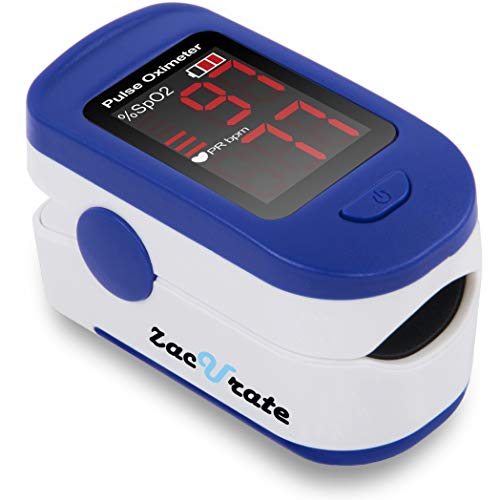
Affiliate link — we may earn a commission at no extra cost to you. Price shown as of the last refresh.


As an Amazon Associate, we earn from qualifying purchases.
Price as of Sep 17, 2026. Product prices and availability are accurate as of the date indicated and are subject to change. Any price and availability information displayed on Amazon at the time of purchase will apply.
Inputs
Result
9,000 ft gain / 1,000 ft/day = 9 climbing days. 9/3 = 3 rest days. Total: 12 days.
Inputs
Result
10,000 ft / 800 ft/day = 13 climbing days + 4 rest = 17 total.
Above 8,000 feet, increase sleeping altitude by no more than 1,000 feet per day with a rest day every 3,000 feet of gain. Faster ascent rates significantly increase AMS risk.
| Ascent Rate | AMS Risk | Who | Example |
|---|---|---|---|
| 500 ft/day | Low | Conservative | 12,000→14,000 in 4 days |
| 1,000 ft/day | Moderate | Standard | 10,000→14,000 in 4 days |
| 1,500+ ft/day | High | Risky | 10,000→14,000 in 3 days |
Acute Mountain Sickness (AMS) starts with headache, nausea, fatigue, and dizziness. Symptoms typically appear 6–12 hours after ascending too quickly.
Yes. Rest days allow your body to produce more red blood cells and adjust breathing patterns. Spending an extra night at the same elevation dramatically reduces AMS risk.
Most people begin to notice altitude effects above 8,000 feet (2,400 m). Above 10,000 feet, proper acclimatization scheduling becomes important for safety.
Read our guide
Read our guide
Read our guide
Fitness, nutrition, and outdoor tools
Last Updated: Sep 17, 2026
This calculator is provided for informational and educational purposes only. Results are estimates and should not be considered professional financial, medical, legal, or other advice. Always consult a qualified professional before making important decisions. UseCalcPro is not responsible for any actions taken based on calculator results.