18-mile moderate hike with 2000 ft gain
Inputs
Distance8 miles
Elevation2000 ft
FitnessModerate
Pack20 lbs
Result
Hiking Time4h 13m
8 × 24 min = 192 min flat + 60 min elevation = 252 min × 1.05 pack penalty = 265 min = 4h 25m.
Estimated Time
4h 25m
Avg Pace
1.8 mph
Per Mile
33 min
Estimated Hiking Time
4h 25m
Naismith’s Rule with adjustments
Avg Pace
1.8 mph
Per Mile
33 min
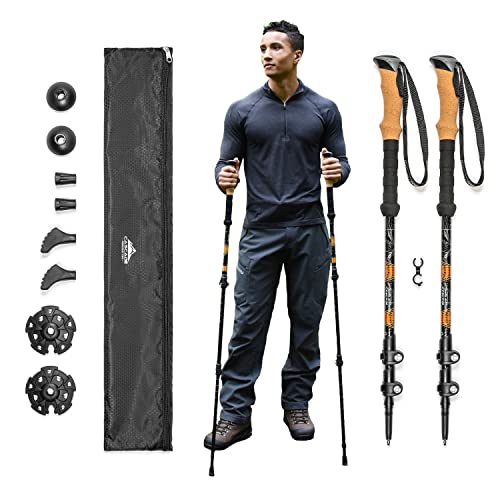
Affiliate link — we may earn a commission at no extra cost to you. Price shown as of the last refresh.
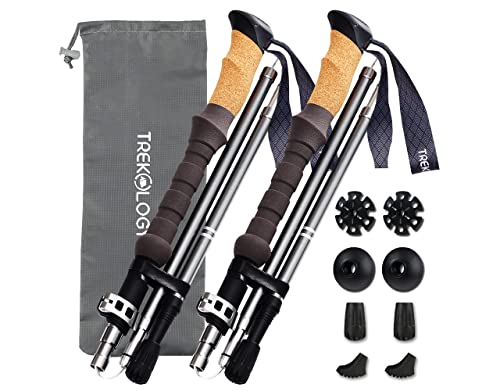
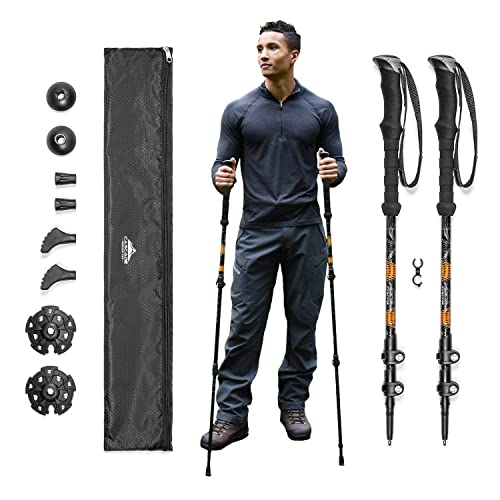
As an Amazon Associate, we earn from qualifying purchases.
Price as of Sep 17, 2026. Product prices and availability are accurate as of the date indicated and are subject to change. Any price and availability information displayed on Amazon at the time of purchase will apply.
Inputs
Result
8 × 24 min = 192 min flat + 60 min elevation = 252 min × 1.05 pack penalty = 265 min = 4h 25m.
Inputs
Result
5 × 30 min = 150 min flat + 15 min elevation = 165 min = 2h 45m.
Naismith's Rule adds the flat-ground walking time to 30 minutes for every 1,000 feet of elevation gain. A moderate hiker covers 1 mile in 24 minutes on flat terrain.
| Fitness | Flat Pace | 5-mile / 2000ft | Best For |
|---|---|---|---|
| Beginner | 2 mph | 4h 30m | Casual hikers |
| Moderate | 2.5 mph | 3h 0m | Regular hikers |
| Fit | 3 mph | 2h 40m | Experienced hikers |
Every pound of pack weight above 15 lbs adds roughly 1% to your total hiking time. A 35-lb pack adds about 20% to your estimated time.
Yes. This calculator estimates moving time only. Add 10–15 minutes per hour for breaks, water stops, and photo ops on a typical day hike.
Mild downhill is slightly faster, but steep descents are slower than flat hiking due to careful footing. This calculator focuses on ascent time, which is the harder variable to estimate.
Fitness, nutrition, and outdoor tools
Last Updated: Sep 17, 2026
This calculator is provided for informational and educational purposes only. Results are estimates and should not be considered professional financial, medical, legal, or other advice. Always consult a qualified professional before making important decisions. UseCalcPro is not responsible for any actions taken based on calculator results.