16-mile trail with 1200 ft gain
Inputs
Flat Pace9:00/mi
Distance6 mi
Gain1200 ft
TerrainModerate
Result
Trail Pace11:37/mi
1200 ft over 6 mi = 3.8% avg grade = 19% slower. Moderate terrain adds 10%. Total ~29% slower.
Trail Pace
10:33
Total Time
1h 3m
Slower
17%
Grade-Adjusted Trail Pace
10:33 /mi
17% slower than flat
Flat Pace
9:00 /mi
Total Time
1h 3m
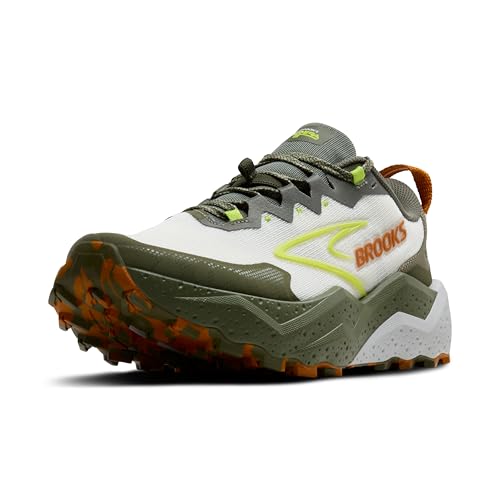
Affiliate link — we may earn a commission at no extra cost to you. Price shown as of the last refresh.


As an Amazon Associate, we earn from qualifying purchases.
Price as of Sep 21, 2026. Product prices and availability are accurate as of the date indicated and are subject to change. Any price and availability information displayed on Amazon at the time of purchase will apply.
Inputs
Result
1200 ft over 6 mi = 3.8% avg grade = 19% slower. Moderate terrain adds 10%. Total ~29% slower.
Inputs
Result
800 ft over 6.2 mi = 2.4% grade (12% uphill effect) + 9% altitude penalty + terrain.
Elevation slows runners approximately 5% per 1% of average uphill grade. A trail gaining 1,000 feet over 5 miles (3.8% grade) would slow a 9:00/mile road pace to roughly 10:43/mile. Steep descents also slow pace due to braking forces.
| Elevation Gain/Mile | Pace Increase | Example (9:00 base) |
|---|---|---|
| 100 ft/mi | ~10% | 9:54/mi |
| 200 ft/mi | ~19% | 10:43/mi |
| 400 ft/mi | ~38% | 12:25/mi |
| 600 ft/mi | ~57% | 14:08/mi |
Grade Adjusted Pace converts hilly effort to equivalent flat effort. It accounts for the extra energy cost of climbing and the reduced braking cost of gentle descents. Most GPS watches calculate GAP automatically.
Yes. Above 5,000 feet, reduced oxygen slows pace by approximately 3% per additional 1,000 feet of elevation. At 8,000 feet, expect to be about 9% slower than sea-level performance. Full acclimatization takes 2–3 weeks.
Technical terrain (roots, rocks, scrambles) adds 10–25% to pace beyond elevation effects. Smooth gravel trails have minimal impact. Rocky single-track with obstacles requires more attention and shorter strides.
Fitness and wellness calculators
Last Updated: Sep 22, 2026
This calculator is provided for informational and educational purposes only. Results are estimates and should not be considered professional financial, medical, legal, or other advice. Always consult a qualified professional before making important decisions. UseCalcPro is not responsible for any actions taken based on calculator results.