13-season, average sleeper, 5000 ft
Inputs
Season3-Season
Sleep StyleAverage
Altitude5,000 ft
Pad R-Value3
Result
Temp Rating25°F
Base 25°F + 0°F style + 0°F altitude - 0°F pad = 25°F.
Temp Rating
25°F
Comfort
35°F
Fill
Synthetic
Recommended Temp Rating
25°F
3-Season
Comfort
35°
Rated
25°
Survival
10°
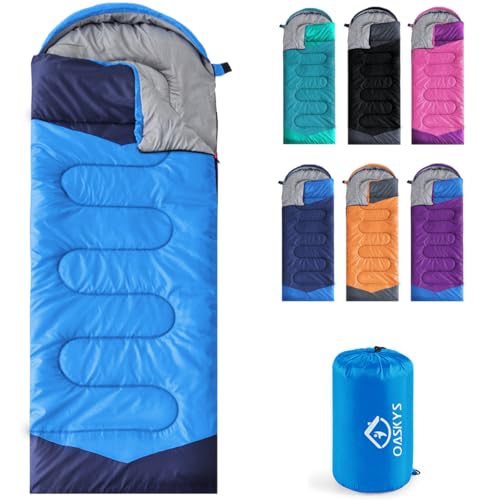
Affiliate link — we may earn a commission at no extra cost to you. Price shown as of the last refresh.


As an Amazon Associate, we earn from qualifying purchases.
Price as of Jul 24, 2026. Product prices and availability are accurate as of the date indicated and are subject to change. Any price and availability information displayed on Amazon at the time of purchase will apply.
Inputs
Result
Base 25°F + 0°F style + 0°F altitude - 0°F pad = 25°F.
Inputs
Result
Base 10°F - 10°F cold - 17.5°F altitude + 6°F pad = -11.5°F.
Choose a bag rated 10–15°F below the lowest temperature you expect. For 3-season camping (30–50°F lows), a 20–30°F bag is ideal.
| Season | Temp Rating | Fill | Weight |
|---|---|---|---|
| Summer | 35°F | Synthetic | 1–2 lbs |
| 3-Season | 20°F | Down 650FP | 2–3 lbs |
| Winter | 0°F | Down 800FP | 3–4 lbs |
Yes, significantly. Your sleeping pad insulates you from ground cold. Each R-value point above 3 effectively adds about 3°F of warmth to your sleeping system.
Yes. Cold sleepers should subtract 10°F from the standard rating. If a 20°F bag would normally work, a cold sleeper should get a 10°F bag.
Temperature drops roughly 3.5°F per 1,000 feet above 5,000 feet. At 10,000 feet, expect it to be 17°F colder than at sea level.
Read our guide
Read our guide
Read our guide
Outdoor, electronics, and everyday tools
Last Updated: Sep 17, 2026
This calculator is provided for informational and educational purposes only. Results are estimates and should not be considered professional financial, medical, legal, or other advice. Always consult a qualified professional before making important decisions. UseCalcPro is not responsible for any actions taken based on calculator results.