1Surfing at 62°F, average tolerance
Inputs
Water Temp62°F
ActivitySurfing
ToleranceAverage
Result
Wetsuit3/2mm Full
62°F with no adjustments falls in the 60–65°F range: 3/2mm with sealed seams and boots.
Recommended
3/2mm Full
Seal
Sealed (GBS)
Max Time
3h
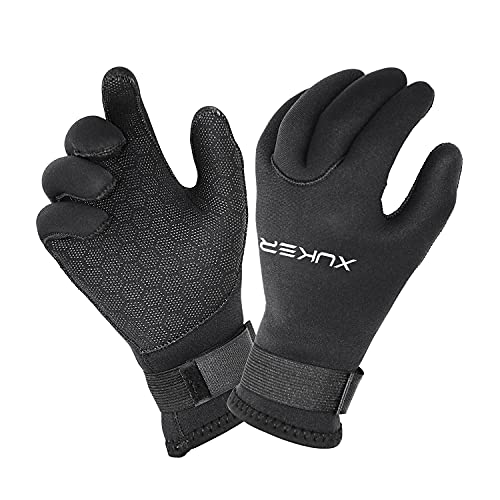
Wetsuit Recommendation
3/2mm Full
Sealed (GBS) seams

Affiliate link — we may earn a commission at no extra cost to you. Price shown as of the last refresh.

As an Amazon Associate, we earn from qualifying purchases.
Price as of Sep 17, 2026. Product prices and availability are accurate as of the date indicated and are subject to change. Any price and availability information displayed on Amazon at the time of purchase will apply.
Inputs
Result
62°F with no adjustments falls in the 60–65°F range: 3/2mm with sealed seams and boots.
Inputs
Result
55°F − 1° diving adj − 1° cold = effective 53°F. 5/4mm with hood, gloves, and boots.
Wetsuit thickness depends on water temperature. Above 72°F, a rashguard or 1mm top suffices. At 60–72°F, use 2–3/2mm. Below 60°F, you need 4/3mm or thicker with accessories.
| Water Temp | Thickness | Accessories |
|---|---|---|
| 70–80°F | 1–2mm | None needed |
| 60–70°F | 3/2mm | Optional boots |
| 50–60°F | 4/3–5/4mm | Boots, optional hood |
| Below 50°F | 5/4–6/5mm | Hood, gloves, boots |
The numbers 4/3mm mean the torso is 4mm thick and the arms/legs are 3mm thick. The thicker torso keeps your core warm, while thinner limbs allow better flexibility for paddling and swimming.
Yes. Surfing and swimming generate body heat, so you can wear thinner suits. Scuba diving involves less movement and deeper (colder) water, requiring thicker neoprene. Kayaking stays above water, so a thinner suit often works.
In a properly fitted wetsuit, you can stay 1–4 hours depending on water temperature. At 60°F in a 3/2mm suit, expect 2–3 hours of comfort. Below 50°F in a 5/4mm with hood, limit sessions to 1–2 hours.
Read our guide
Read our guide
Read our guide
Outdoor and utility calculators
Last Updated: Sep 17, 2026
This calculator is provided for informational and educational purposes only. Results are estimates and should not be considered professional financial, medical, legal, or other advice. Always consult a qualified professional before making important decisions. UseCalcPro is not responsible for any actions taken based on calculator results.