1Bass fishing with spinning gear
Inputs
SpeciesBass
Line TypeMonofilament
TechniqueCasting
Result
Line Test12 lb
Bass base test 12 lb. Casting adds 0. Mono diameter 0.30 mm.
Recommended Test
12 lb
Diameter
0.30 mm
Line
Monofilament
Recommended Line
12 lb test
Monofilament
Diameter
0.30 mm
Stretch
25%
Visibility
Medium
Abrasion
Good

Affiliate link — we may earn a commission at no extra cost to you. Price shown as of the last refresh.

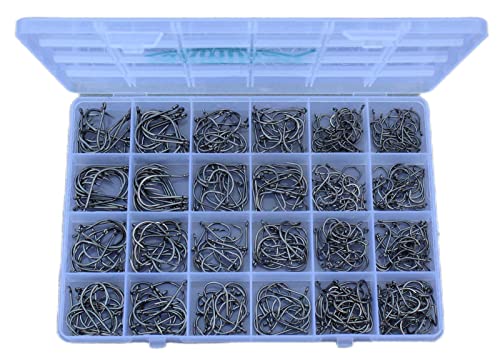
As an Amazon Associate, we earn from qualifying purchases.
Price as of Sep 21, 2026. Product prices and availability are accurate as of the date indicated and are subject to change. Any price and availability information displayed on Amazon at the time of purchase will apply.
Inputs
Result
Bass base test 12 lb. Casting adds 0. Mono diameter 0.30 mm.
Inputs
Result
Offshore base 50 lb + trolling +4. Braid diameter 0.28 mm (much thinner than mono equivalent).
Line test depends on target species: 4–8 lb for panfish and trout, 10–14 lb for bass, 14–20 lb for walleye and catfish, 15–20 lb for salmon, and 30–50+ lb for offshore saltwater. Always match line to your lightest tackle component.
| Species | Mono Test | Braid Equivalent |
|---|---|---|
| Trout | 6 lb | 10 lb / 0.08 mm |
| Bass | 12 lb | 20 lb / 0.12 mm |
| Salmon | 17 lb | 30 lb / 0.16 mm |
| Tuna | 50 lb | 80 lb / 0.28 mm |
Braided line has near-zero stretch for better sensitivity and hooksets, but it is highly visible in clear water. Monofilament has more stretch (shock absorption) and is nearly invisible. Use braid for heavy cover, deep water, and bottomfishing; mono for clear water finesse fishing.
Absolutely. Thinner line casts further, sinks faster, and is less visible to fish. Braided line achieves 40% thinner diameter than mono at the same test strength. In clear water or for spooky fish, diameter matters more than test weight.
Monofilament is the best starting line: forgiving stretch reduces break-offs, it is easy to tie knots with, and costs 50–70% less than fluoro or braid. Start with 8–12 lb mono for general freshwater fishing.
Read our guide
Read our guide
Read our guide
Outdoor and utility calculators
Last Updated: Sep 22, 2026
This calculator is provided for informational and educational purposes only. Results are estimates and should not be considered professional financial, medical, legal, or other advice. Always consult a qualified professional before making important decisions. UseCalcPro is not responsible for any actions taken based on calculator results.