How Much Does a Kitchen Backsplash Cost in 2026? (National Averages & Real Pricing)
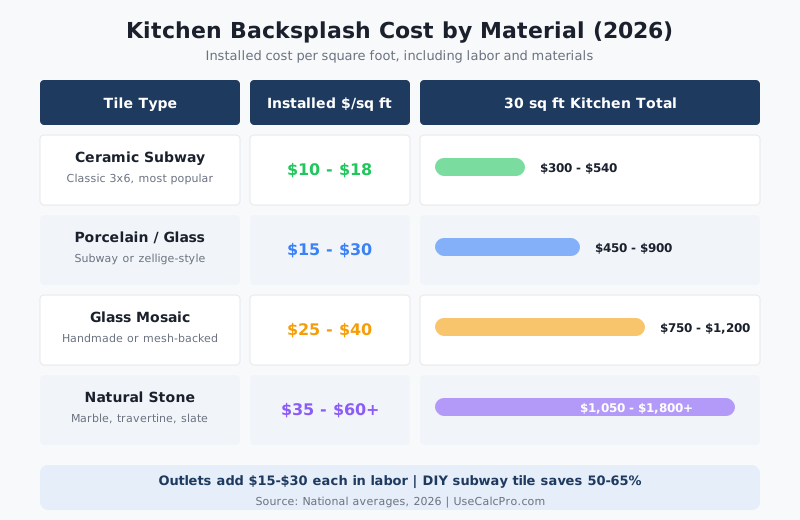
A kitchen backsplash costs $10 to $50 per square foot installed in 2026, with most projects ranging from $500 to $2,500 total for a standard kitchen. Ceramic subway tile runs $10-$20/sq ft installed, porcelain and glass mosaic cost $20-$40/sq ft, and natural stone or designer tiles reach $35-$50+/sq ft. Labor accounts for 40-55% of total project cost.
I quoted 6 backsplash jobs in the Delaware Valley last year, and the takeaway was this: tile choice matters far less than the number of cuts. A 30 sq ft galley kitchen backsplash with 2 outlets and a window cost $1,800 in labor because every other tile was a custom cut. The identical tile in a 45 sq ft open-wall kitchen with no interruptions cost $900 in labor. Outlets and windows double your per-square-foot labor cost.
Use our Backsplash Calculator to estimate tile quantities and costs for your specific kitchen layout.
Backsplash Cost at a Glance
| Cost Tier | Tile Type | Material Cost/sq ft | Installed Cost/sq ft | 30 sq ft Total |
|---|---|---|---|---|
| Budget | Ceramic subway tile | $1 - $5 | $10 - $18 | $300 - $540 |
| Mid-range | Porcelain or glass subway | $4 - $10 | $15 - $30 | $450 - $900 |
| Mid-high | Glass mosaic or handmade tile | $8 - $25 | $25 - $40 | $750 - $1,200 |
| Premium | Natural stone or designer | $15 - $50+ | $35 - $60+ | $1,050 - $1,800+ |
Tip
A typical kitchen backsplash is 25-40 square feet (the area between countertops and upper cabinets, usually 18 inches tall). Full-wall backsplashes extending to the ceiling add 60-100% more area.
Material Cost Breakdown
Ceramic Subway Tile ($1-$5/sq ft materials)
The classic 3x6 white ceramic subway tile remains the most popular backsplash choice and the most affordable. A 30 sq ft backsplash uses about 40-50 tiles at $0.15-$0.50 each. Ceramic subway tile is forgiving to cut, easy to replace if damaged, and pairs with virtually any kitchen style.
Porcelain and Glass Subway ($4-$10/sq ft materials)
Porcelain subway tiles offer more color consistency and lower water absorption than ceramic. Glass subway tiles add depth and light reflection, making small kitchens feel larger. Both cost 2-3x more than ceramic but offer distinctive visual impact. Handmade-look tiles with irregular edges (zellige-style) cost $8-$15/sq ft.
Glass Mosaic ($8-$25/sq ft materials)
Glass mosaic sheets (typically 1x1 or 2x2 tiles on mesh backing) cost $8-$25/sq ft depending on the manufacturer and pattern. They create dramatic focal points behind ranges and sinks. Installation is faster (sheets vs. individual tiles) but requires careful handling -- glass chips easily during cutting.
Natural Stone ($10-$30/sq ft materials)
Marble, travertine, and slate backsplashes offer one-of-a-kind veining and texture. Marble hexagon mosaics and subway tiles run $10-$20/sq ft; slab backsplashes (cut from countertop material) cost $15-$30/sq ft. All natural stone requires sealing to prevent staining from cooking splatter.
Labor Cost Breakdown
Backsplash installation labor costs $5 to $20 per square foot, with the wide range driven by tile size, pattern, and obstacle count.
| Labor Component | Cost Range | Notes |
|---|---|---|
| Surface preparation | $1 - $3/sq ft | Cleaning, priming, leveling existing wall |
| Tile setting | $4 - $12/sq ft | Standard straight-set; herringbone adds 30-50% |
| Outlet and switch cuts | $15 - $30 each | Each outlet requires 2-4 precise cuts |
| Window/corner trim | $3 - $8/linear ft | Edge pieces, bullnose, or Schluter trim |
| Grouting and sealing | $1 - $3/sq ft | Epoxy grout recommended behind range |
| Old backsplash removal | $2 - $5/sq ft | Tile demo and wall repair |
Warning
Turn off electrical breakers before removing outlet covers for backsplash work. Tile saws spray water, and wet thinset conducts electricity. Many tile installers require the homeowner to hire an electrician to pull outlets forward if the new backsplash is thicker than the old surface.
DIY vs. Professional Installation
| Factor | DIY | Professional |
|---|---|---|
| Tile materials (30 sq ft, ceramic subway) | $30 - $150 | $30 - $150 |
| Thinset, grout, trim | $50 - $100 | Included |
| Labor | $0 (your time) | $300 - $600 |
| Tool rental (wet saw, trowels) | $50 - $100 | Included |
| Time | 1-2 weekends | 4-8 hours |
| Total | $130 - $350 | $400 - $750 |
| Savings | 50-65% | -- |
What DIY can handle: Standard ceramic or porcelain subway tile in a straight-set pattern on a clean, flat wall. This is one of the most approachable tile DIY projects.
What needs a pro: Glass tile (cracks easily), mosaic patterns, large-format tiles, walls requiring significant leveling, and stone slab backsplashes.
Factors That Affect Your Backsplash Cost
1. Tile Size and Pattern
Standard 3x6 subway in a running bond pattern is the fastest and cheapest to install. Herringbone adds 30-50% to labor. Small mosaics (1x1) cover area slowly. Large-format tiles (12x24) require fewer grout lines but demand perfectly flat walls.
2. Number of Outlets and Windows
Each electrical outlet or window adds 15-30 minutes of cutting and fitting. A backsplash wall with 4 outlets can cost $60-$120 more in labor than a clean wall with zero obstacles.
3. Backsplash Height
Standard backsplash height is 18 inches (counter to upper cabinet). Full-height backsplashes (counter to ceiling, typically 36-54 inches) double the material and labor cost.
4. Existing Surface
Installing over clean drywall is standard pricing. Removing existing tile, backsplash panels, or wallpaper adds $2-$5/sq ft. Walls with water damage or mold require remediation before tiling.
5. Edge Treatment
Exposed edges (where the backsplash ends without meeting a cabinet or wall) need finishing. Options include bullnose tiles ($3-$8/linear ft), metal Schluter strips ($2-$5/linear ft), or decorative pencil liners ($5-$15/linear ft).
Frequently Asked Questions
How much does a subway tile backsplash cost in 2026?
A standard white ceramic subway tile backsplash costs $300-$700 installed for a typical 30 sq ft kitchen. This is the most affordable tile backsplash option and remains the most popular choice nationally.
- Materials (30 sq ft): $30-$150
- Thinset, grout, and trim: $40-$80
- Labor: $200-$450
- Total: $270-$680
Upgrade to glass or handmade subway tiles and the total jumps to $600-$1,200 for the same area.
Is a peel-and-stick backsplash worth it?
Peel-and-stick tiles cost $3-$10/sq ft and last 3-5 years, making them a temporary solution at best. They are popular in rental apartments where permanent tile is not an option. For homeowners, real tile at $10-$20/sq ft installed will last 20+ years -- the cost per year of use is actually lower.
How long does backsplash installation take?
A professional installs a typical 30 sq ft backsplash in 4-8 hours, including grouting. Grout needs 24 hours to cure before the backsplash gets wet. Complex patterns, multiple outlets, and stone tile can extend the job to 2 days.
Can I install a backsplash over existing tile?
Yes, if the existing tile is firmly bonded and the wall is flat. Apply thinset directly over the old surface. However, this adds 3/8-1/2 inch of thickness, which may require pulling outlets forward. Removal is recommended if the old tile is loose, cracked, or uneven.
Does a backsplash increase home value?
A quality tile backsplash recoups 70-85% of its cost at resale. More importantly, kitchens without backsplashes look unfinished to buyers. A $500-$800 subway tile backsplash can be the difference between a kitchen looking dated and looking move-in ready.
What backsplash tile is easiest to keep clean?
Large-format porcelain or glass tiles with minimal grout lines are the easiest to maintain. Fewer grout lines means less scrubbing. Use epoxy grout (not cement grout) behind the range and sink for stain-free maintenance. Natural stone requires periodic resealing to prevent oil and water stains.
Cost data sourced from Angi, HomeGuide, HomeAdvisor, and Homewyse. Prices reflect 2026 national averages and may vary by region.
This article is provided for informational and educational purposes only. Content should not be considered professional financial, medical, legal, or other advice. Always consult a qualified professional before making important decisions. UseCalcPro is not responsible for any actions taken based on the information in this article.
Try These Calculators
Estimate 2026 tile backsplash install cost by sqft, tile type, and pattern. Ceramic, porcelain, glass and stone backsplashes typically run $600 to $2,500.
Estimate 2026 kitchen backsplash cost by sqft, tile type, pattern, and scope. Subway, glass, mosaic, and stone backsplashes run $500 to $4,500 installed.
Estimate 2026 kitchen backsplash installation labor by sqft, outlet cutouts, and removal of old tile. Labor runs $6-$12/sqft; cutouts add $15-$25 each.
Estimate 2026 tile floor installation cost by room size, tile type, and prep work. Ceramic, porcelain, and stone quotes typically run $2,000 to $10,000.