1A new sensor at the low end
Inputs
Flame sensorA new sensor ($5 to $25)
Result
You keep$50 to $245
Doing it yourself$5 to $25
A technician$75 to $250
$75 - $25 = $50 at the least; $250 - $5 = $245 at the most.
Loading the 3D model...
Step 1 of 9
Switch the furnace off at its service switch or at the breaker, and follow the shutdown steps in your furnace's manual. Let the burners cool before you reach in.
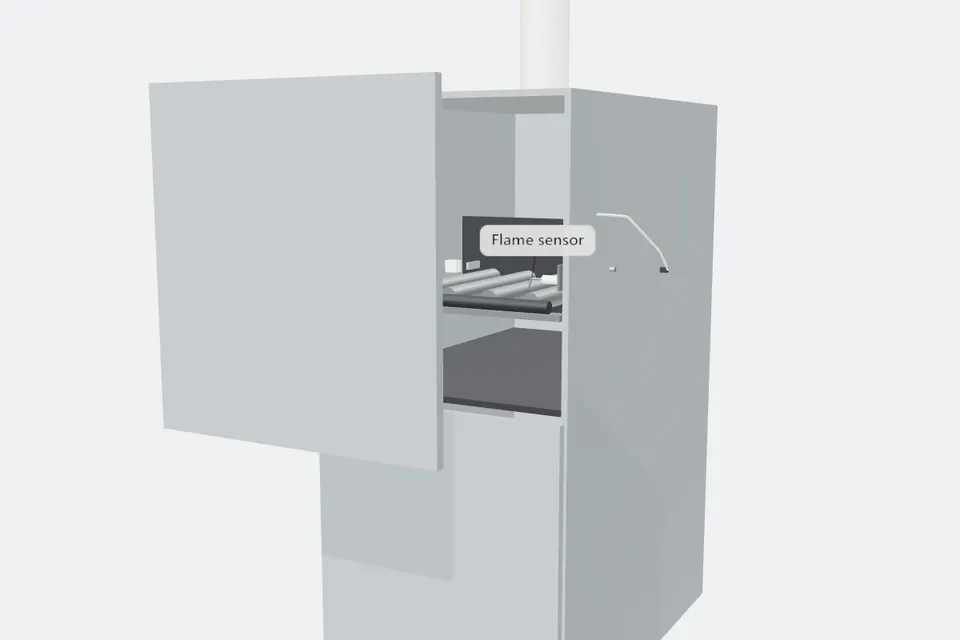
A typical upflow gas furnace, drawn close to size, not measured. Where your flame sensor sits and how it is held varies by model: your furnace's manual has the exact layout.

As an Amazon Associate, we earn from qualifying purchases.
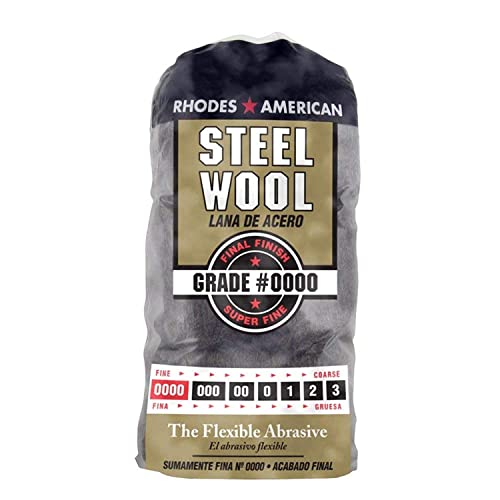
Fine steel wool or emery cloth
What Bryant names for removing the oxidation from the rod.
Nut driver or screwdriver
To fit the one screw that holds the sensor's bracket.
Flame sensor (only if cracked)
Not universal: order the part made for your furnace's model number, from its manual or label.
Carrier and Bryant recommend a technician for work inside the furnace. Call one if it still shuts off after cleaning, the flame is yellow or orange, or it keeps locking out.
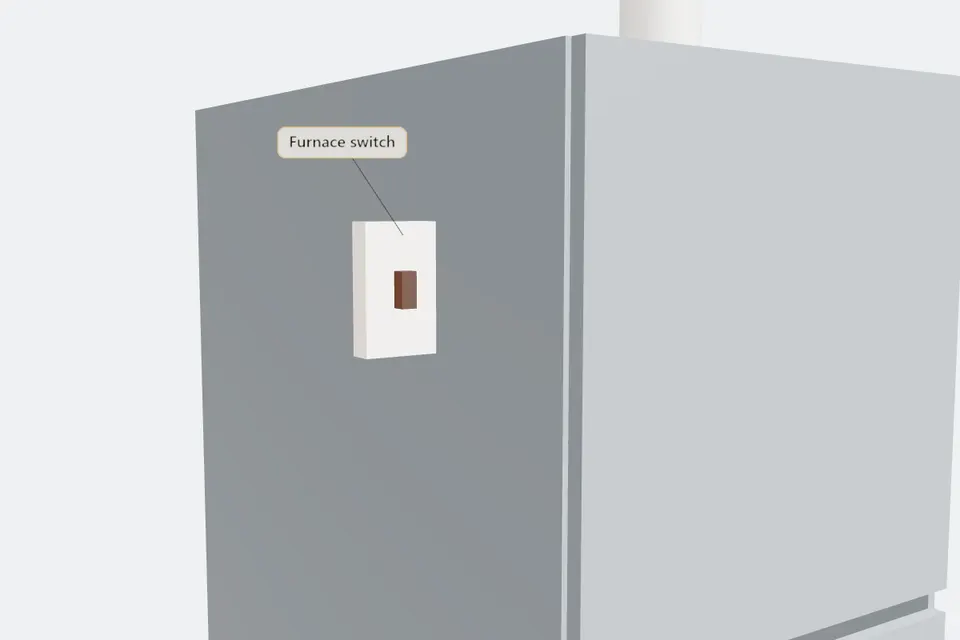
Switch the furnace off at its service switch or at the breaker, and follow the shutdown steps in your furnace's manual. Let the burners cool before you reach in.
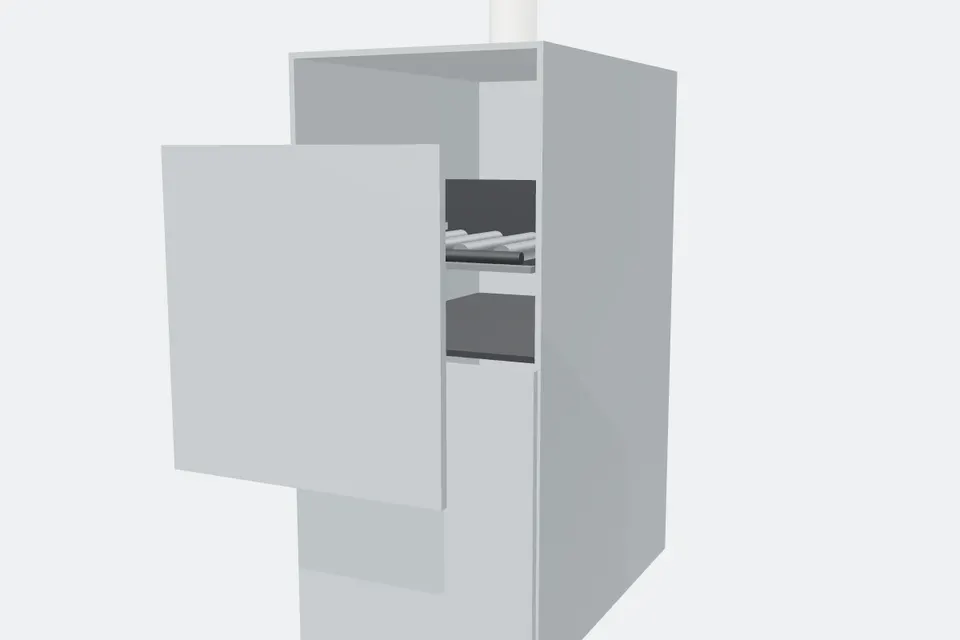
Lift off the upper front panel, or remove its screws if your model has them, to see the burners.
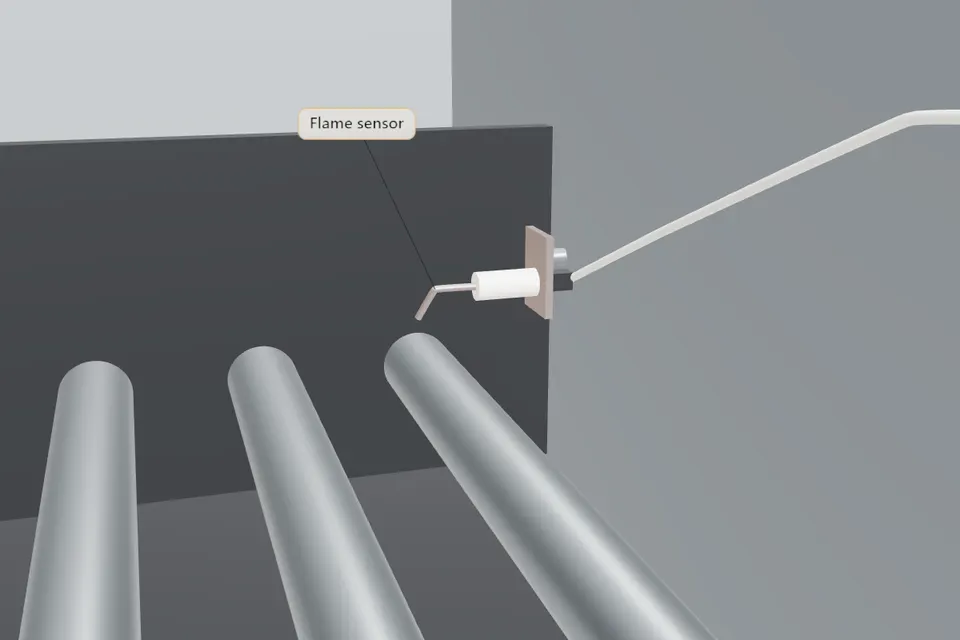
It is the thin metal rod on a white porcelain base, at one end of the burners. The igniter is at the other end: do not touch it, it breaks easily.
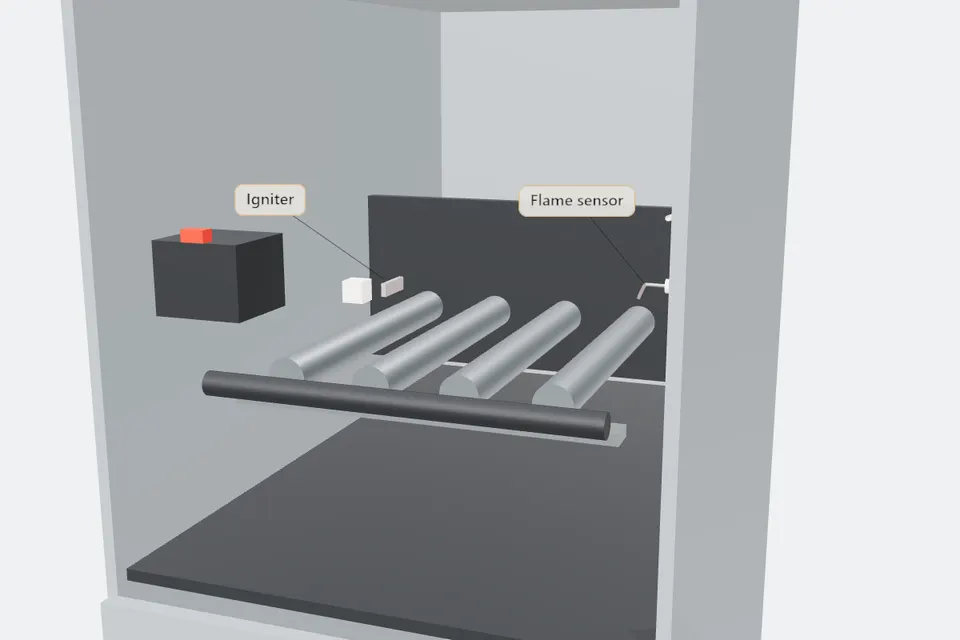
Pull the wire's connector off the sensor's terminal. Pull the connector, not the wire.
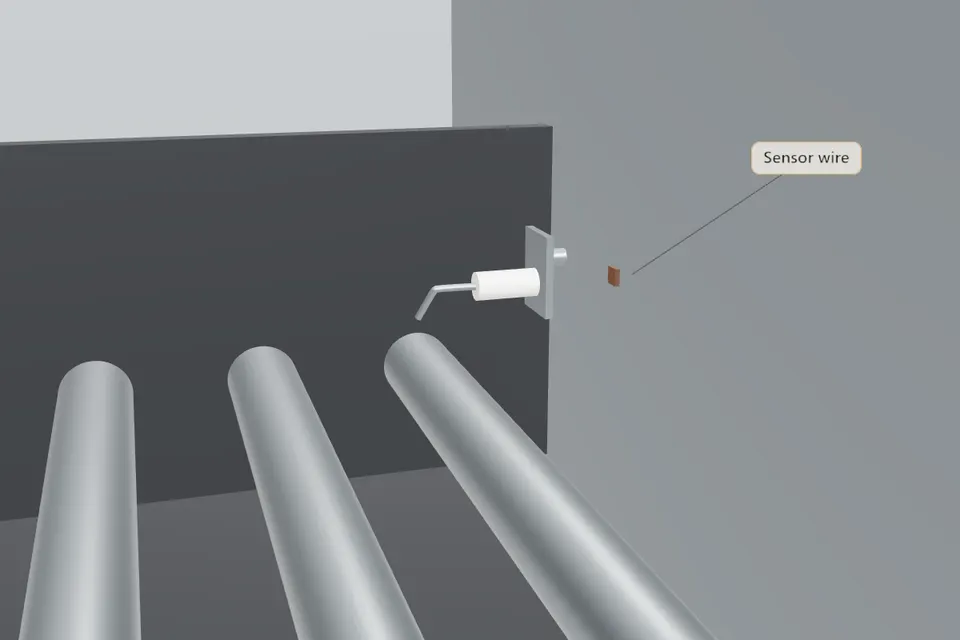
Take out the one screw that holds the sensor's bracket and slide the sensor out of the burner box.
Tools: Nut driver or screwdriver to fit the screw
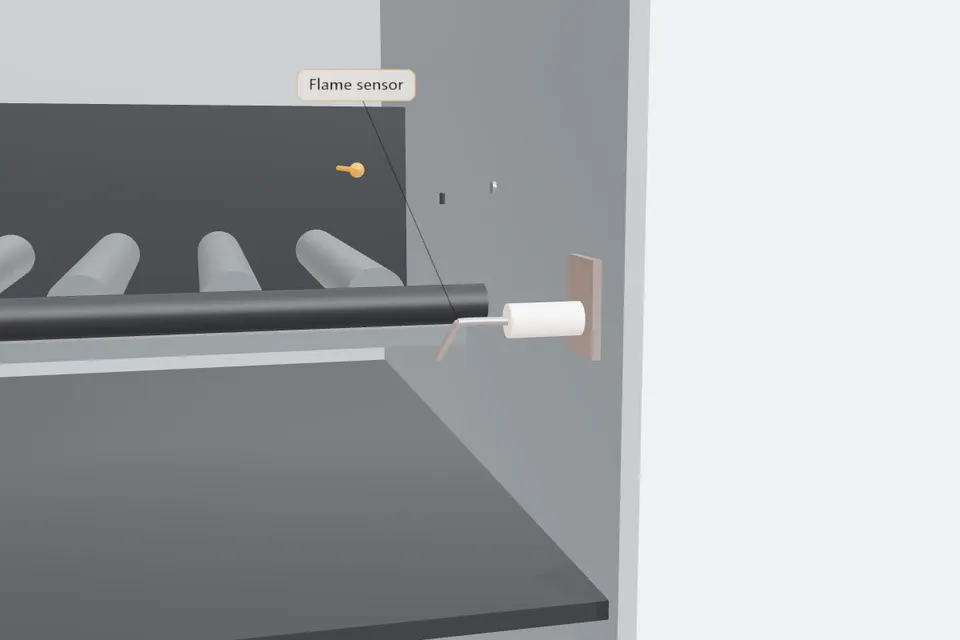
Rub the metal rod lightly with fine steel wool or emery cloth to take off the oxidation, then wipe away the dust. Light pressure: you are cleaning it, not reshaping it.
Tools: Fine steel wool or emery cloth, Clean dry cloth
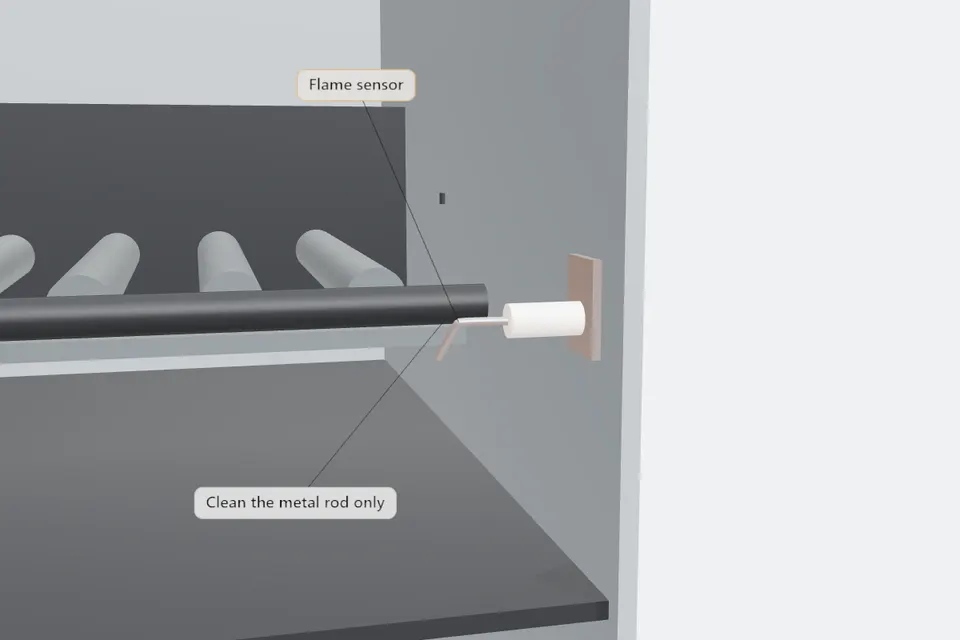
If the porcelain base is cracked or the rod is bent or damaged, put in a new sensor instead. Sensors are not universal: get the one made for your furnace.
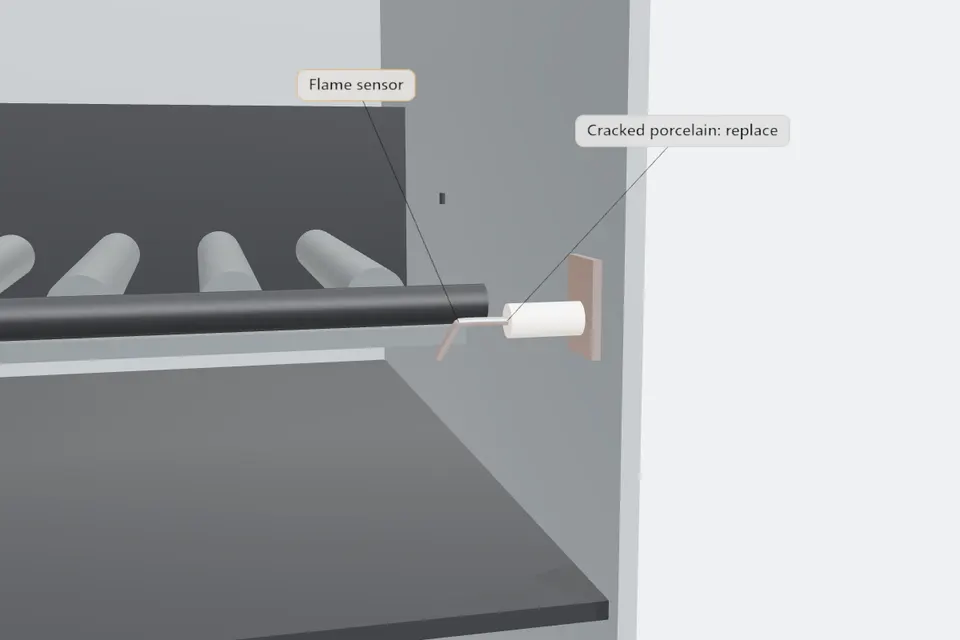
Slide the sensor back into the same spot, with the rod in the burner flame's path, refit the screw and push the wire back on.
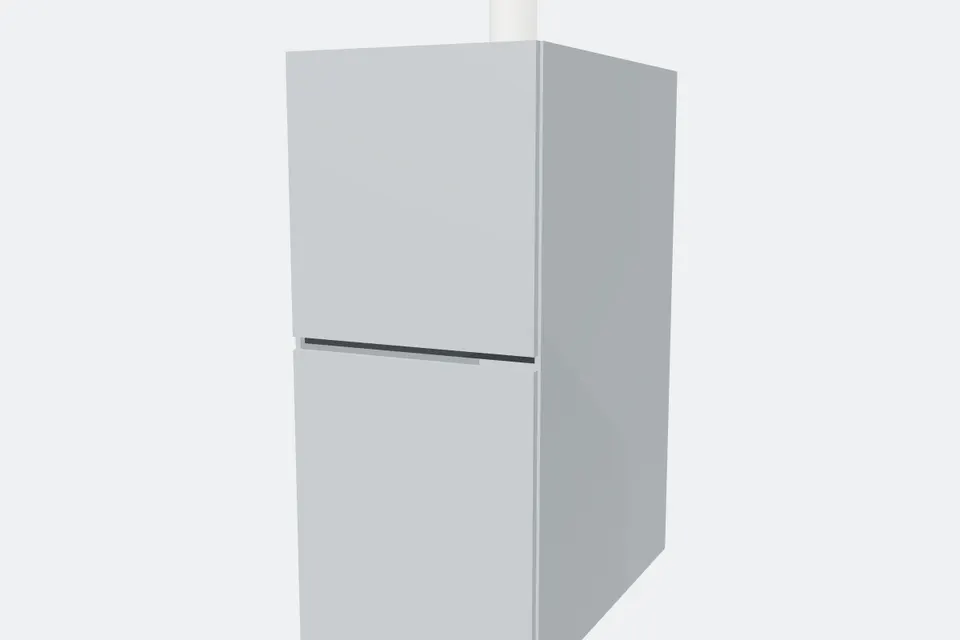
Put the door back, turn the power on and let the furnace run a full heating cycle. If it still shuts off a few seconds after lighting, or locks out, call a technician.
Smell gas? Leave the house and call your gas utility. Never bypass or disconnect the flame sensor.
Get free quotes from HVAC professionals near you

Verified reviews & background checks
One form, quotes from several local pros
We may earn a commission when you request quotes, at no extra cost to you.
Showing results for your area
Inputs
Result
$75 - $25 = $50 at the least; $250 - $5 = $245 at the most.
Inputs
Result
$75 - $3 = $72; $250 - $3 = $247.
A furnace that lights and then shuts off after 2 to 5 seconds often has a dirty flame sensor (Carrier). With the power off at the switch or breaker, take off the burner door, unplug the sensor's wire, remove its one screw, slide it out and rub the metal rod lightly with fine steel wool or emery cloth (Bryant). Replace it if the porcelain is cracked. A new sensor costs $5 to $25; a technician charges $75 to $250.
Carrier says a dirty or faulty flame sensor is a common reason a furnace starts, then shuts off after 2 to 5 seconds. The sensor is a metal rod in the burner flame; when oxidation or carbon builds up on it, the control board cannot confirm the flame and shuts the gas off. Bryant adds that the furnace often tries two or three times and then locks out until it is reset.
Turn the furnace off at its service switch or the breaker and let it cool, take off the burner compartment door, unplug the sensor's wire, remove the screw that holds it and slide it out. Bryant names fine steel wool or emery cloth for removing the oxidation from the rod; Carrier says to clean it lightly and then wipe away the residue. Put it back in the same position, with the rod in the flame, and run a full heating cycle.
Carrier says to start with cleaning, and replace the sensor if the furnace still short-cycles afterwards or if the rod or porcelain insulator is visibly cracked or damaged. Flame sensors are not universal: the new one has to match your furnace model. Bryant says a well kept sensor often lasts 15 to 20 years.
| What you see | What to do |
|---|---|
| Dull or dark rod, porcelain whole | Clean it |
| Cracked porcelain or bent rod | Replace it |
| Still shuts off after cleaning | Replace it or call a technician |
Carrier and Bryant both recommend a qualified HVAC technician for work inside the furnace, because of the gas and the high voltage. If you do it yourself, cut the power first, follow your furnace manual's shutdown steps, never bypass or disconnect the sensor, and call a technician if the furnace keeps shutting down, locks out repeatedly or shows a yellow or orange flame. If you smell gas, leave the house and call your gas utility.
Carrier puts the sensor itself at $5 to $25 and a technician's replacement at $75 to $200; our furnace repair calculator's flame sensor line runs $75 to $250 installed. Cleaning costs only the steel wool or emery cloth if you do it yourself.
| Option | Cost |
|---|---|
| Clean it yourself | A few dollars |
| Replace it yourself | $5 to $25 |
| Technician | $75 to $250 |
Read our guide
Read our guide
What a technician charges, part by part.
Yearly maintenance that covers the flame sensor.
Keep the water heater's tank from rusting through.
Costs and guides for heating, plumbing, electrical and the rest of the house.
Last Updated: Nov 27, 2026
This calculator is provided for informational and educational purposes only. Results are estimates and should not be considered professional financial, medical, legal, or other advice. Always consult a qualified professional before making important decisions. UseCalcPro is not responsible for any actions taken based on calculator results.