1. Calculate
Choose your project scope and see the estimated price range.
Get a realistic 2026 smoke damage restoration estimate by severity, smoke type, affected area, and treatment method — then connect with local restoration pros.
Instant project estimate
The estimate is free. Additional details are optional.
Complete the project details and calculate to see a price range and next steps.
Clear next step
Choose your project scope and see the estimated price range.
Understand the cost drivers and what impacts your final quote.
Carry your scope into a local quote request if you choose.


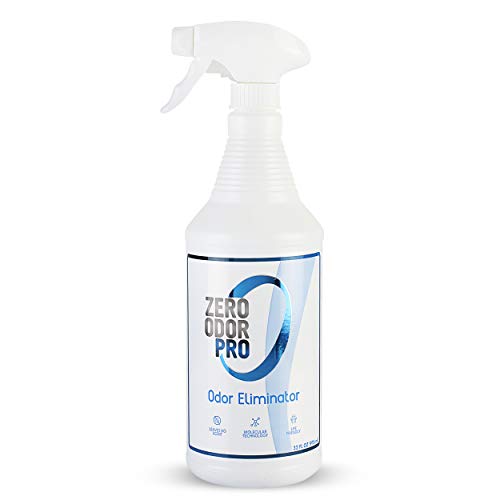
As an Amazon Associate, we earn from qualifying purchases.
Price as of Sep 19, 2026. Product prices and availability are accurate as of the date indicated and are subject to change. Any price and availability information displayed on Amazon at the time of purchase will apply.
Typical smoke damage restoration costs $2,000–$6,000. Protein smoke (cooking/grease) is the hardest to remove and costs 20–30% more than dry smoke from paper or wood. Thermal fogging or ozone treatment is required for moderate-to-heavy odor — surface cleaning alone rarely works.
Most residential smoke damage restoration jobs in 2026 run $2,000–$6,000 for moderate damage in multiple rooms. Light smoke in a single room with surface cleaning can be as low as $500–$1,200, while heavy protein smoke throughout a whole home requiring encapsulation and repainting can exceed $8,000–$15,000. Regional labor rates, smoke type, and treatment method are the biggest cost drivers.
| Scenario | Low Estimate | High Estimate |
|---|---|---|
| Light dry smoke, single room, clean-only | $500 | $1,200 |
| Moderate wet smoke, multi-room, thermal fog | $2,200 | $5,000 |
| Heavy protein smoke, multi-room, seal + repaint | $5,000 | $10,000 |
| Heavy whole-home smoke, full treatment | $8,000 | $15,000 |
Dry smoke comes from fast-burning paper and wood fires. It leaves a powdery, non-sticky residue that is easiest to clean. Wet smoke comes from slow-burning, low-temperature fires fueled by rubber, plastic, or synthetic materials. It leaves a sticky, pungent residue that smears easily during cleaning and requires specialized degreasers. Protein smoke is nearly invisible and comes from burning organic matter like cooking grease or food. Despite being nearly undetectable visually, it penetrates porous surfaces deeply and produces the most persistent, foul odor of all three types. Protein smoke typically adds 20–30% to the cost of cleanup compared to dry smoke.
| Smoke Type | Residue | Odor Severity | Relative Cost |
|---|---|---|---|
| Dry (wood/paper) | Powdery, dry | Mild–moderate | Baseline |
| Wet (rubber/plastic) | Sticky, oily | Strong | +10–15% |
| Protein (cooking/grease) | Nearly invisible | Extremely persistent | +20–30% |
Smoke damage restoration typically involves four phases: assessment and containment, surface cleaning and soot removal, odor elimination, and structural sealing or repainting if needed. Odor elimination is where treatment method choice matters most. Surface cleaning with deodorizers works for light dry-smoke jobs ($800–$2,500). Thermal fogging (a heated petroleum-based solvent dispersed as a fog) neutralizes odor molecules in cavities, HVAC ducts, and behind walls — required for wet or protein smoke and moderate-to-heavy damage ($2,000–$5,000). Ozone treatment uses an ozone generator to oxidize odor compounds and is often combined with thermal fogging for heavy jobs. Encapsulation with shellac-based primer (such as Zinsser BIN) followed by repainting is the final step when smoke has penetrated drywall or wood studs.
| Treatment | Best For | Typical Add-Cost |
|---|---|---|
| Surface clean + deodorize | Light dry smoke | Baseline |
| Thermal fogging | Moderate wet/protein smoke | +$500–$1,500 |
| Ozone treatment | Heavy odor penetration | +$300–$900 |
| Encapsulate + repaint | Smoke in drywall/wood | +$1,500–$4,000 |
Yes, in most cases. Standard HO-3 homeowners policies cover sudden and accidental smoke damage from a covered peril, including fire, and restoration costs are typically reimbursable after the deductible. However, smoke from a neighbor's fire, slow burn without a reported incident, or a malfunctioning appliance may face coverage disputes. Document everything before cleanup: photograph all damage, save receipts, and get a written scope of work from a certified restoration company (IICRC-certified preferred). Policies typically pay Actual Cash Value (ACV) or Replacement Cost Value (RCV) depending on your endorsement.
A light single-room job with surface cleaning and deodorizing can be completed in 1–2 days. A moderate multi-room job requiring thermal fogging, soot cleaning, and HVAC decontamination typically takes 3–5 days. Heavy smoke damage requiring full encapsulation and repainting commonly takes 7–14 days, since shellac-based primers require 24–48 hours of drying time between coats and before repainting. Protein smoke jobs often take longer because multiple ozone or fogging cycles are needed. The home is typically uninhabitable during ozone treatment and for 1–2 hours after thermal fogging.
DIY cleanup is realistic only for light dry-smoke incidents affecting a single room where odor is minor and surfaces are non-porous. HEPA vacuuming, dry-chemical sponging, and an air purifier with activated carbon filters can handle small jobs for $150–$500 in supplies. However, wet smoke and protein smoke almost always require professional-grade thermal fogging or ozone treatment — consumer-grade foggers and air purifiers do not reach the concentrations needed to neutralize deeply embedded odors. More importantly, attempting to clean wet or protein smoke with water-based cleaners often smears and sets the residue deeper, making professional restoration more expensive afterward.
Inputs
Result
A limited paper or wood fire in a single room with dry, powdery residue is the least complex smoke restoration scenario. Surface cleaning with dry-chemical sponges, HEPA vacuuming, and a standard deodorizer treatment keeps costs at the low end. Math check: base $1,000–$2,500 (light) × dry-smoke 0.90 × single-room 0.65 × clean-only 0.80 ≈ $468–$1,170, consistent with the $500–$1,200 range quoted here.
Inputs
Result
This represents the most common residential smoke damage claim. Wet smoke from melted plastic or rubber leaves a sticky, pungent residue that requires thermal fogging to neutralize. Math check: base $2,000–$4,500 (moderate) × wet-smoke 1.10 × multi-room 1.00 × thermal-fog-ozone 1.00 ≈ $2,200–$4,950, matching the quoted $2,200–$5,000 estimate.
Inputs
Result
A grease fire that spreads cooking-protein smoke through multiple rooms is one of the most difficult restoration jobs. The near-invisible residue penetrates drywall and wood trim, requiring ozone treatment, shellac primer encapsulation, and full repainting. Math check: base $4,000–$8,000 (heavy) × protein 1.25 × multi-room 1.00 × seal-repaint 1.25 ≈ $6,250–$12,500, consistent with the quoted $6,000–$12,000 range before West Coast upward pressure.
Estimate = Base(damage_severity) × smoke_type_factor × scope_factor × treatment_factorThe base cost is set by damage severity (light, moderate, or heavy). Each additional dimension — smoke type, affected scope, and treatment method — applies a multiplicative adjustment. Regional labor rates apply on top of this formula for ZIP-specific quotes.
Where:
Base(damage_severity)= Light: $1,000–$2,500 | Moderate: $2,000–$4,500 | Heavy: $4,000–$8,000smoke_type_factor= Dry smoke: 0.90 | Wet smoke: 1.10 | Protein smoke: 1.25scope_factor= Single room: 0.65 | Multiple rooms: 1.00 | Whole home: 1.40treatment_factor= Clean only: 0.80 | Thermal fog + ozone: 1.00 | Seal + repaint: 1.25Total = Assessment + Cleaning Labor + Treatment (fog/ozone) + Materials + Encapsulation/PaintA professional smoke restoration invoice typically breaks into distinct service lines. Understanding each line helps you verify that a quote is complete and not hiding scope.
Where:
Assessment= Initial inspection, air quality testing, and moisture mapping: $150–$400 (often waived if job proceeds)Cleaning Labor= Soot removal, HEPA vacuuming, surface cleaning, content cleaning: $75–$150/hr per tech; typically 8–40 hrs on a moderate jobTreatment (fog/ozone)= Thermal fogging equipment and solution: $300–$800 | Ozone generator rental + operator: $200–$500Encapsulation + Paint= Shellac-based primer (BIN) on affected drywall/wood: $2–$4/sqft | Finish paint 2-coat: $2–$5/sqftSmoke damage restoration is one of the most misunderstood home repair categories. Unlike water or structural fire damage, smoke harm is often invisible to the untrained eye — yet it can linger for years as persistent odors, stained surfaces, and compromised indoor air quality if not properly remediated. In 2026, professional restoration for a typical moderate smoke damage event runs $2,000–$6,000, though the range extends from under $500 for small, isolated dry-smoke incidents up to $15,000 or more for whole-home protein smoke with full encapsulation and repainting.
The single most important variable in smoke damage cost is the type of smoke, not just how bad it looks. Dry smoke from fast-burning paper or wood fires leaves a powdery residue that is relatively easy to vacuum and clean — making it the least expensive category. Wet smoke from slow-burning, low-temperature fires fueled by rubber, plastic, or synthetic materials creates a sticky, pungent residue that smears easily and requires specialized degreasers and repeated treatment cycles. Protein smoke — the product of burning organic material like cooking grease — is the most challenging: nearly invisible to the naked eye, it penetrates porous surfaces deeply and produces an extraordinarily persistent, foul odor that resists ordinary cleaning methods entirely.
Treatment method selection is directly tied to smoke type and severity. For light dry-smoke events in a single room, a combination of HEPA vacuuming, dry-chemical sponging, and a professional-grade deodorizer application is usually sufficient at a cost of $500–$1,500. For moderate-to-heavy wet or protein smoke, thermal fogging — a process that disperses heated petroleum-based solvent as a fine mist throughout the space, neutralizing airborne and surface odor molecules — becomes mandatory. Ozone treatment, often used alongside thermal fogging, introduces ozone gas at elevated concentrations to oxidize residual odor compounds in wall cavities, HVAC systems, and behind baseboards. The final tier of treatment, encapsulation with a shellac-based primer such as Zinsser BIN, is reserved for cases where smoke has visibly penetrated or darkened drywall and wood framing. This seals odor molecules chemically and provides a clean paint substrate.
Scope of the affected area has an outsized effect on cost because smoke does not respect room boundaries. It migrates through HVAC systems, gaps in trim, and even electrical outlets. A fire that appears to affect only the kitchen may have deposited smoke residue throughout the entire HVAC distribution system — all supply and return ducts, coils, and the air handler. Duct cleaning alone can add $300–$1,200 to a restoration bill and is often not included in initial quotes. Multi-room and whole-home jobs also require significantly more containment setup, isolation of the HVAC system, and equipment mobilization, which is why scope drives cost as much as severity.
Regional labor rates follow the same patterns as other construction trades. Restoration technicians in coastal metros (California, New York, Massachusetts) bill $110–$150 per hour, while Midwest and Southern markets run $75–$110 per hour. This 30–40% spread means a $3,000 quote in Ohio could cost $4,000–$4,500 in Los Angeles for identical work. When comparing quotes, verify that each bid covers the same scope: assessment, containment, cleaning labor, odor elimination treatment, any encapsulation primer, and repainting if needed. Quotes that omit encapsulation often return months later as odors resurface.
Insurance coverage for smoke damage is generally available under standard HO-3 homeowners policies when the smoke results from a covered peril — most commonly a fire within or adjacent to the property. The key requirements are prompt reporting, thorough documentation (photographs and video before ANY cleanup), and a written scope of work from an IICRC-certified restoration company. Insurance adjusters use the same certification standard to validate claims, and an uncertified contractor estimate is often rejected or disputed. For protein-smoke kitchen incidents not involving a reportable fire, coverage may be limited or excluded depending on policy language — read your policy or call your agent before authorizing work.
Selecting a restoration contractor requires verifying several credentials beyond a business license. Look for IICRC (Institute of Inspection Cleaning and Restoration Certification) certification in Fire and Smoke Damage Restoration (FSRT). Ask whether the company uses thermal fogging or ozone, not just air freshener or commercial odor spray. Request a detailed written scope of work that identifies which rooms will be treated, what surfaces will be cleaned, which equipment will be used, and whether encapsulation and repainting are included. Get at least two quotes: prices on identical scope commonly vary 20–30% and a low bid may simply be missing treatment steps. Most reputable restoration companies also offer a written odor-free guarantee for a defined period, typically 30–90 days, after job completion.
Timing matters more in smoke damage than almost any other restoration category. Smoke residue is acidic and begins etching porous surfaces — marble, grout, and even glass — within hours of exposure. Fabrics and upholstered furniture may retain protein odors permanently if left untreated for more than 72 hours. Acting quickly by ventilating the space, removing contaminated soft goods (clothing, curtains, bedding) to an unaffected area, and calling a certified restoration company within 24 hours consistently results in lower total restoration costs and better odor elimination outcomes. Waiting even a week while weighing options can increase the final bill by 20–40% on moderate-to-heavy smoke events.
Read our guide
Read our guide
Read our guide
Price out fire, water, smoke, and mold restoration projects, plus roofing, decking, concrete, and more remodeling work.
Last Updated: Sep 19, 2026
This calculator is provided for informational and educational purposes only. Results are estimates and should not be considered professional financial, medical, legal, or other advice. Always consult a qualified professional before making important decisions. UseCalcPro is not responsible for any actions taken based on calculator results.