1Cotton T-Shirt — Medium Fiber Reactive
Inputs
Result
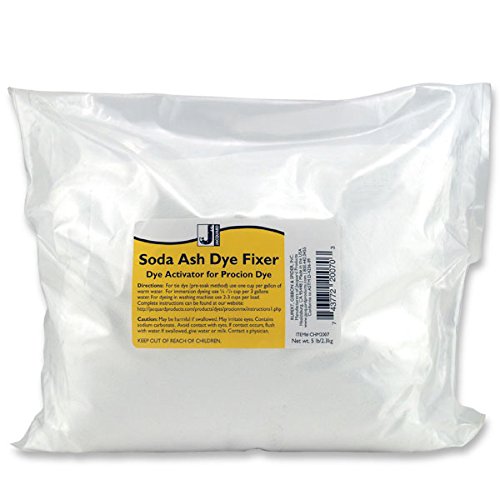
A 200g cotton shirt at 3% depth needs 6g of Procion MX dye in 6 liters of room-temperature water. Add 270g of salt to drive color uptake and 60g of soda ash to fix the dye permanently.
Dye Needed
6.0 g
Water
1.6 gal
Cost
$1.17
Weigh fabric dry before dyeing
Bulk powder dye costs $0.05–$0.15/g vs $3–$8 for retail dye packets
| Fabric | Fiber Reactive | Acid | Natural |
|---|---|---|---|
| Cotton | ✓ | ✗ | ✓ |
| Silk | ✓ | ✓ | ✓ |
| Wool | ✗ | ✓ | ✓ |
| Nylon | ✗ | ✓ | ✗ |


As an Amazon Associate, we earn from qualifying purchases.
Inputs
Result
A 200g cotton shirt at 3% depth needs 6g of Procion MX dye in 6 liters of room-temperature water. Add 270g of salt to drive color uptake and 60g of soda ash to fix the dye permanently.
Inputs
Result
A 50g silk scarf at 6% depth needs only 3g of acid dye in 2 liters of simmering water. Add 120 ml of white vinegar and maintain 180–212°F for 45 minutes for vibrant, washfast color on silk.
Inputs
Result
Four 100g wool skeins (400g total) at 1% depth need 4g of acid dye in 16 liters of water. The larger volume ensures all skeins move freely for even pastel dyeing.
The amount of dye depends on target color depth. For medium shades, use 3% dye by weight of fabric: a 1 lb (454g) garment needs about 13.6g (4.5 tsp) of dye powder. Light pastels need 1% (4.5g), while deep darks need 6–8% (27–36g). Always weigh dry fabric for accurate results.
| Depth | Dye % | Per 100g Fabric | Per 1 lb Fabric |
|---|---|---|---|
| Light | 1% | 1.0g | 4.5g |
| Medium | 3% | 3.0g | 13.6g |
| Dark | 6% | 6.0g | 27.2g |
| Very Dark | 8% | 8.0g | 36.3g |
Fiber reactive dyes use a 30:1 water-to-fabric ratio (30 ml water per gram of fabric). Acid dyes use 40:1. For a 200g cotton t-shirt with fiber reactive dye, you need 6 liters (1.6 gallons) of water. The fabric must move freely in the dye bath for even color.
| Dye Type | Ratio | 100g Fabric | 1 lb Fabric |
|---|---|---|---|
| Fiber Reactive | 30:1 | 3.0 L | 13.6 L |
| Acid | 40:1 | 4.0 L | 18.1 L |
| Natural | 40:1 | 4.0 L | 18.1 L |
Fiber reactive dyes (Procion MX) require both salt and soda ash. Salt drives the dye into the fiber (30–80g per liter depending on depth). Soda ash (sodium carbonate) fixes the dye permanently at 10g per liter. Acid dyes use white vinegar (60ml per liter) instead. Never mix soda ash with acid dyes.
| Dye Type | Salt | Soda Ash | Vinegar |
|---|---|---|---|
| Fiber Reactive | 30–80 g/L | 10 g/L | Not used |
| Acid Dye | Not used | Not used | 60 ml/L |
| Natural Dye | Not used | Not used | Alum mordant 8 g/L |
Fiber reactive dyes work at room temperature (75–105°F), making them easiest for beginners. Acid dyes require simmering at 180–212°F for 45 minutes. Natural dyes work at 160–200°F. Never boil protein fibers (silk, wool) or they will felt and shrink.
| Dye Type | Temperature | Time | Difficulty |
|---|---|---|---|
| Fiber Reactive | 75–105°F | 60 min | Easiest (room temp) |
| Acid Dye | 180–212°F | 45 min | Moderate (stovetop) |
| Natural Dye | 160–200°F | 90 min | Advanced (mordanting) |
Fiber reactive dyes (Procion MX) work on cotton, linen, rayon, and silk—all cellulose and some protein fibers. Acid dyes work on silk, wool, and nylon—protein fibers and polyamide. Natural dyes work on cotton, silk, and wool with a mordant. Polyester requires disperse dyes and high heat.
| Fabric | Fiber Reactive | Acid Dye | Natural Dye |
|---|---|---|---|
| Cotton | Best | No | Yes (mordant) |
| Silk | Good | Best | Yes |
| Wool | No | Best | Yes (mordant) |
| Nylon | No | Yes | No |
Read our guide
Read our guide
Read our guide
Explore tools for fabric dyeing, tie dye, screen printing, sewing, and more creative projects.
Last Updated: Mar 16, 2026
This calculator is provided for informational and educational purposes only. Results are estimates and should not be considered professional financial, medical, legal, or other advice. Always consult a qualified professional before making important decisions. UseCalcPro is not responsible for any actions taken based on calculator results.