UseCalcPro
Home
MathFinanceHealthConstructionAutoPetsGardenCraftsFood & BrewingTools
Blog
  1. Home
  2. Garden

Patio Paver Sand Calculator — Base, Bedding & Joints

Patio Area

120 sq ft

Gravel

2.5 tons

Est. Cost

$341

Standard: 4" for patios, 6\u20138" for driveways

Standard: 1" layer on top of compacted gravel

Gravel Base

Volume (loose)1.8 cu yd
Weight2.5 tons

Includes 20% compaction factor

Bedding Sand

Volume0.4 cu yd
50 lb Bags20 bags

Polymeric Sand (Joints)

50 lb Bags2 bags
Edging44 linear ft
Edge Spikes44

Cost Breakdown (materials only)

Gravel Base$112
Bedding Sand$100
Polymeric Sand$50
Edging + Spikes$79
Total Materials$341

Does not include paver cost ($3–$8/sq ft)

Example Calculations

1Standard 12×10 ft Patio

Inputs

Length12 ft
Width10 ft
Paver Thickness2-3/8" (60mm)
Base Depth4 inches
Sand Bedding1 inch
Joint Width3mm

Result

Patio Area120 sq ft
Gravel Base2.1 tons
Bedding Sand20 bags (50 lb)
Polymeric Sand2 bags (50 lb)
Total Materials Cost$225

Area = 12 × 10 = 120 sq ft. Gravel: 120 × 4/12 = 40 cu ft × 1.2 compaction = 48 cu ft = 1.78 cu yd × 1.4 tons/yd = 2.1 tons. Bedding sand: 120 × 1/12 = 10 cu ft ÷ 0.5 = 20 bags.

2Large 20×16 ft Patio with Wide Joints

Inputs

Length20 ft
Width16 ft
Paver Thickness2-3/8" (60mm)
Base Depth6 inches
Sand Bedding1 inch
Joint Width5mm

Result

Patio Area320 sq ft
Gravel Base8.4 tons
Bedding Sand54 bags (50 lb)
Polymeric Sand8 bags (50 lb)
Total Materials Cost$799

Area = 320 sq ft. Gravel: 320 × 6/12 × 1.2 / 27 = 7.1 cu yd × 1.4 = 8.4 tons. Bedding sand: 320/12/0.5 = 54 bags. Polymeric sand with 5mm joints needs more: (320/75) × 1.67 adjust = 8 bags.

Frequently Asked Questions

Q

How much sand do I need under pavers?

You need a 1-inch layer of bedding sand (also called screed sand) over the compacted gravel base. For a 120 sq ft patio (12×10 ft), this equals about 10 cubic feet or 0.37 cubic yards. One 50 lb bag of sand covers about 0.5 cubic feet.

  • 120 sq ft patio: ~0.37 cu yd (20 bags of 50 lb sand)
  • Standard bedding depth: 1 inch (some specs allow 3/4–1-1/2")
  • Use concrete sand (coarse) NOT play sand (too fine)
  • Screed sand is leveled with rails and a straight board
  • After compacting pavers, sweep extra sand into joints
Q

How deep should the gravel base be for pavers?

The gravel base should be 4 inches deep for pedestrian patios and 6–8 inches for driveways or areas with vehicle traffic. Use 3/4-inch crushed stone or road base (also called process gravel). Compact in 2-inch lifts with a plate compactor.

  • Patio: 4" compacted gravel base
  • Driveway: 8–12" compacted gravel base
  • Compact in 2" lifts with plate compactor
  • Order 20% more gravel than calculated for compaction
  • Use crushed stone, NOT pea gravel (pea gravel shifts)
ApplicationBase DepthGravel TypeNotes
Pedestrian patio4"3/4" crushed stoneStandard for foot traffic
Heavy use patio6"3/4" crushed stoneOutdoor kitchen, hot tub
Driveway8–12"Road base + crushedMust support vehicle weight
Walkway3–4"3/4" crushed stoneLight foot traffic only
Q

How many bags of polymeric sand do I need?

A 50 lb bag of polymeric sand covers approximately 75 square feet with standard 1/8" (3mm) joints and 2-3/8" (60mm) thick pavers. For wider joints or thicker pavers, coverage decreases proportionally. A 120 sq ft patio needs about 2 bags.

  • 50 lb bag covers ~75 sq ft at 3mm joints / 60mm pavers
  • Wide joints (5mm+) reduce coverage by 40–60%
  • Thicker pavers (80mm) reduce coverage by ~25%
  • Apply polymeric sand to DRY pavers and joints
  • Mist with water to activate — do not flood
Q

What is the total depth for a paver patio?

The total excavation depth is the sum of all layers: gravel base (4"), bedding sand (1"), and paver thickness (2-3/8" standard). For a standard patio, that is about 7-3/8 inches total. Add 1/4" per foot of slope for drainage away from structures.

  • Standard patio: 4" gravel + 1" sand + 2-3/8" paver = 7-3/8" total
  • Driveway: 8" gravel + 1" sand + 3-1/8" paver = 12-1/8" total
  • Slope 1/4" per foot away from house for drainage
  • Mark depth with string lines before excavating
  • Rent a skid steer for patios over 200 sq ft
Q

Do I need edging for a paver patio?

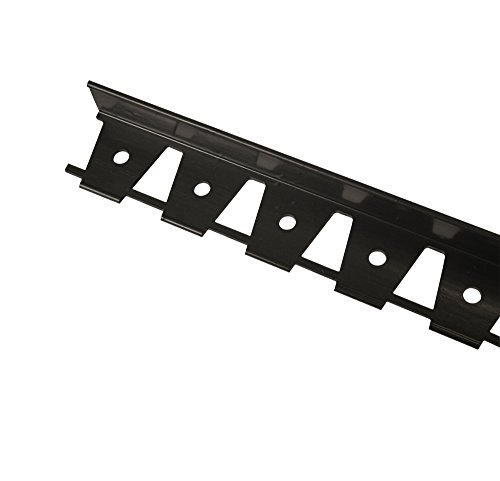
Yes, edge restraint is critical to prevent pavers from shifting outward over time. Install rigid plastic or aluminum edging along all exposed edges, secured with 10-inch spikes every 12 inches. Edges against a wall or foundation do not need restraint.

  • Edge restraint prevents lateral movement of pavers
  • Use rigid plastic or aluminum L-shaped edging
  • 10" spikes every 12 inches along the edging
  • Install after laying pavers but before polymeric sand
  • Skip edging only where pavers abut a wall or foundation

Related Calculators

Garden Path Calculator

Calculate materials for garden pathways

Raised Bed Calculator

Calculate soil and lumber for beds

Compost Calculator

Calculate C:N ratio for compost

Sand Calculator

Calculate how much sand you need in tons and cubic yards for your patio, paver, and fill projects. Enter dimensions and sand type for instant estimates.

Sandbox Sand Calculator \u2014 How Much Sand You Need

Calculate how much sand you need for your sandbox. Get exact bag counts, weight, volume, and cost estimates for rectangular, circular, or hexagonal sandboxes.

Trellis Calculator

Calculate trellis materials by type, size, and grid spacing. Get linear feet of lumber, post count, fastener quantity, and total project cost estimates.

Related Resources

How Much Concrete Do I Need? Concrete Calculator for Slabs & Footings

Read our guide

Flooring Calculator: How Much Hardwood, Laminate, or LVP Do You Need?

Read our guide

How Much Paint Do I Need for a Room? Complete Calculator Guide

Read our guide

Garden Path Calculator

Calculate materials for garden walkways

Raised Bed Calculator

Plan raised garden beds

Garden Fence Calculator

Plan fence materials and costs

More Garden Calculators

Explore all garden planning tools

View All

Last Updated: Mar 9, 2026

This calculator is provided for informational and educational purposes only. Results are estimates and should not be considered professional financial, medical, legal, or other advice. Always consult a qualified professional before making important decisions. UseCalcPro is not responsible for any actions taken based on calculator results.

UseCalcPro
FinanceHealthMath

© 2026 UseCalcPro