1. Calculate
Choose your project scope and see the estimated price range.
Get a realistic 2026 estimate for a float therapy session by length, tank type, and pricing plan — then compare single floats, packages, and memberships near you.
Instant project estimate
The estimate is free. Additional details are optional.
Complete the project details and calculate to see a price range and next steps.
Clear next step
Choose your project scope and see the estimated price range.
Understand the cost drivers and what impacts your final quote.
Carry your scope into a local quote request if you choose.

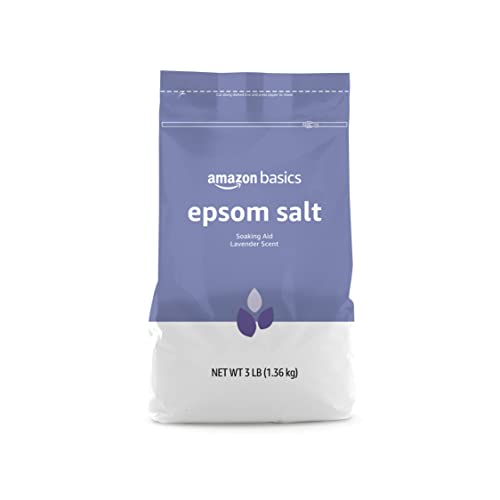

As an Amazon Associate, we earn from qualifying purchases.
Price as of Sep 17, 2026. Product prices and availability are accurate as of the date indicated and are subject to change. Any price and availability information displayed on Amazon at the time of purchase will apply.
A single float tank (sensory deprivation) session costs $60-$90 in 2026, or $80-$110 in high-cost cities. First-time intro deals run $45-$60, 3-5 session packages drop to $50-$70 per float, and monthly memberships average $59-$79 per float.
A single 60-minute float therapy session costs $60-$90 at most US float centers in 2026, rising to $80-$110 in high-cost metros like New York, Los Angeles, and Seattle. First-time guests usually get an intro rate of $45-$60, often around 50% off. Buying a package of 3-5 floats brings the per-session price down to $50-$70, and monthly memberships run $59-$79 per float. Longer 90- or 120-minute floats add roughly $20-$50 over the standard hour.
| Plan | Per-Session Price | Best For |
|---|---|---|
| First-time intro | $45-$60 | Trying it once |
| Single drop-in | $60-$90 | Occasional floaters |
| 3-5 session package | $50-$70 | Committed beginners |
| Monthly membership | $59-$79 | Regular weekly floaters |
Float pricing reflects high overhead, not just an hour in salt water. Each float uses 800-1,000 pounds of Epsom salt dissolved in the water, runs filtration and UV or ozone sanitation between every guest, and requires a private room that can only serve one person per 90-minute turnaround. Centers also pay for soundproofing, heating the water to skin temperature, towels, showers, and staff. That fixed cost per float is why the drop-in price rarely falls below $60 and why memberships exist to fill otherwise empty tank time.
A membership pays off if you float at least once a month. Most centers charge $59-$79 per float on a membership versus $80-$90 for a drop-in, so the savings appear from the first monthly visit. Unlimited plans run $99-$229 per month and only make sense for people floating weekly or more. Many studios also let you roll the cost of your first paid session into a membership the same day, and unused monthly credits often bank for a month or two, which softens the commitment.
Yes, but less than the plan you choose. The standard float is 60 minutes; a 90-minute float typically adds $20-$40 and a 120-minute deep float adds $40-$60. Tank type matters at the margin: enclosed pods and open cabins or rooms usually cost the same at a given studio, though premium open-room suites with extra space sometimes carry a $10-$20 upcharge. The single biggest lever on your total is still single versus package versus membership, not the size of the tank.
It depends on frequency. One float a month on a membership runs $59-$79. Floating weekly costs about $236-$316 a month on a per-float membership, or you can switch to an unlimited plan at $99-$229 that becomes cheaper above roughly three floats a month. Drop-in pricing without any plan is the most expensive way to float regularly: four single sessions at $80 each is $320 a month, which is why studios push packages and memberships for anyone floating more than occasionally.
Inputs
Result
First-time guests almost always get an intro discount of roughly 50% off the standard drop-in rate, making the first float the cheapest one you will ever book.
Inputs
Result
A 4-float package of extended 90-minute sessions lands around $70-$90 each. The longer float adds a premium over the standard hour, but the package still beats paying four separate drop-in rates.
Inputs
Result
On a one-float-per-month membership in a premium market, the per-float price drops below the local drop-in rate, so the plan pays for itself with a single visit.
Total = (Base float rate + Length add-on - Plan discount) x Number of sessionsStart from the base drop-in rate for a 60-minute float, add any premium for a longer session, subtract the package or membership discount, then multiply by how many sessions you are buying.
Where:
Base float rate= Standard 60-minute drop-in: $60-$90, or $80-$110 in high-cost metrosLength add-on= 90-minute float adds $20-$40; 120-minute deep float adds $40-$60Plan discount= First-time deal saves $15-$30; packages and memberships drop per-float to $50-$79Number of sessions= Floats purchased in a package, or floats per month on a membershipBreak-even floats = Membership monthly fee / (Drop-in rate - Member per-float rate)Divide the unlimited membership fee by the savings per float to find how many floats per month make the plan cheaper than paying drop-in each time.
Where:
Membership monthly fee= Unlimited plans run $99-$229 per monthDrop-in rate= Standard single float: $80-$90 in most marketsMember per-float rate= Per-float membership price: $59-$79Break-even floats= Usually about 3 floats per month before unlimited winsFloat therapy — also called sensory deprivation, floatation, or simply floating — has moved from a fringe wellness experiment to a mainstream recovery tool, and the pricing has settled into a predictable range. In 2026, a single 60-minute float costs $60 to $90 at most US float centers, climbing to $80 to $110 in high-cost metros like New York, Los Angeles, San Francisco, and Seattle. You spend the hour lying in a shallow, body-temperature pool saturated with Epsom salt, which makes you float effortlessly while light and sound are removed, and that combination of skin-temperature water, weightlessness, and silence is what you are paying for.
The headline drop-in price is only the starting point, because almost nobody who floats regularly pays it. First-time guests are offered an intro rate of $45 to $60, usually about half off the standard session, specifically to get newcomers through the door. From there the price you actually pay depends far more on your plan than on the float itself: a package of 3 to 5 sessions brings the per-float price down to $50 to $70, and a monthly membership lands at $59 to $79 per float. Use the calculator above to estimate your own number based on length, tank type, and plan, then read on to understand what each input is really pricing.
Session length and tank type nudge the figure at the margin. The standard float is 60 minutes; stepping up to a 90-minute float adds roughly $20 to $40, and a 120-minute deep float adds $40 to $60. Whether you book an enclosed pod or an open cabin or room usually makes no difference to the price at a given studio, though a few centers charge a small premium for larger open-room suites. The table below shows the full pricing landscape so you can see where your choice of plan lands relative to a plain drop-in.
| Plan / Option | Typical Price | Per Float | Best For |
|---|---|---|---|
| First-time intro | $45-$60 | $45-$60 | Trying it once |
| Single drop-in | $60-$90 | $60-$90 | Occasional floaters |
| 3-5 session package | $180-$350 | $50-$70 | Committed beginners |
| Monthly membership | $59-$79/mo | $59-$79 | Monthly floaters |
| Unlimited membership | $99-$229/mo | Lower with use | Weekly floaters |
The cheapest float you will ever buy is your first one. Nearly every center offers an intro deal around 50% off, and many will credit that first payment toward a package or membership if you sign up the same day.
A float looks simple — an hour of lying in salt water — but the economics behind the price are anything but. Each tank holds 800 to 1,000 pounds of Epsom salt dissolved into roughly 150 to 250 gallons of water, and that salt solution has to be filtered and sanitized with UV or ozone between every single guest. Unlike a gym or a yoga studio that serves dozens of people at once, a float room serves exactly one person per turnaround, and that turnaround runs about 90 minutes once you add showering, draining filtration cycles, and resetting the room. That one-guest-per-room math is the single biggest reason the drop-in price rarely dips below $60.
On top of the per-float consumables and labor, float centers carry heavy fixed costs. The water is held at skin temperature, around 93 to 95 degrees Fahrenheit, which means continuous heating. Rooms are soundproofed and often individually plumbed with their own showers. Towels, earplugs, hair care, and post-float lounge space all add up. The salt itself degrades pumps and surfaces over time, so maintenance and replacement are ongoing. When you compare a $79 float to a $30 yoga class, you are really comparing a private, single-occupancy, heavily maintained suite against a shared room.
This cost structure also explains why memberships exist and why studios push them so hard. A float room sitting empty earns nothing, so centers would rather lock in predictable monthly revenue at $59 to $79 per float than hope for walk-ins at $90. For you as the customer, that incentive is the lever: the studio's need to fill tank time is exactly what funds the package and membership discounts. Understanding that dynamic helps you negotiate, time your sign-up, and avoid paying the full drop-in rate any more than once.
| Cost Driver | What It Covers | Why It Adds Up |
|---|---|---|
| Epsom salt | 800-1,000 lbs per tank | Degrades pumps, needs topping up |
| Sanitation | UV/ozone + filtration | Runs between every guest |
| Room turnaround | ~90 min per guest | One person served at a time |
| Heating | Water at ~93-95F | Continuous energy cost |
| Facilities | Soundproofing, showers, towels | Private single-use suite |
Because a float room only serves one guest at a time, studios discount aggressively to fill empty slots. Off-peak weekday floats and last-minute openings are often the easiest place to find a deal below the posted rate.
The choice that moves your total the most is not session length or tank type — it is how you buy. A single drop-in is the right call only if you float a few times a year, because at $60 to $90 each it is the most expensive way to float on a per-session basis. The moment you expect to come back more than once or twice, a package or membership almost always wins. The question is simply which one, and the answer comes down to how often you plan to float.
Packages of 3 to 5 floats are the sweet spot for committed beginners. They lock in a lower per-float price of $50 to $70 without a monthly commitment, and the credits usually stay valid for several months or a year, so there is little pressure to use them up fast. Memberships make sense once floating becomes a habit. A per-float membership at $59 to $79 beats the drop-in rate from your very first monthly visit, and an unlimited plan at $99 to $229 a month becomes the cheapest option once you float roughly three or more times a month. The break-even is easy to check: divide the unlimited fee by the savings per float against the drop-in rate.
Think about your real frequency before committing. If you are pairing floats with other recovery work, the massage therapy cost calculator and the chiropractor cost calculator help you budget the full routine, and remember the salt water is dehydrating, so the water intake calculator is worth a glance before a long session. The table below maps each buying option to the floater it actually fits.
| You Float... | Best Option | Effective Price | Why |
|---|---|---|---|
| Once to try it | First-time intro | $45-$60 | Half-off newcomer rate |
| A few times a year | Single drop-in | $60-$90 | No commitment needed |
| Monthly-ish | 3-5 package | $50-$70 | Lower rate, no subscription |
| Weekly | Unlimited membership | $99-$229/mo | Cheapest above ~3/month |
Run the break-even before signing an unlimited plan: at a $99 fee with $25 saved per float versus drop-in, you need four floats a month to come out ahead. If you will not realistically hit that, a package is cheaper.
The posted float price is usually the whole price — float centers rarely add service fees, and unlike a spa massage, tipping is not expected because there is no hands-on practitioner. That said, a few extras can creep in. Some studios charge a small upcharge for premium open-room suites, sell single-use earplugs or hair products at the counter, or apply a no-show or late-cancellation fee that can equal the full session cost. Always confirm the cancellation window when you book, because a missed appointment on a busy weekend slot is the most common surprise charge.
There are several reliable ways to float for less. Stack the first-time intro deal at multiple nearby centers before you settle on a home studio. Look for off-peak weekday pricing, which some centers discount to fill quiet hours. Watch for holiday and new-year promotions, when float studios run their deepest package discounts. Gift cards and group bookings sometimes carry bonus credits. And if a center offers to roll your first paid session into a membership the same day, that effectively makes your trial float free against the plan.
Finally, weigh frequency honestly against the membership math, because the most common way people overpay is by buying an unlimited plan and then floating once. If your schedule is unpredictable, a package preserves flexibility while still beating the drop-in rate. The steps below walk through getting the lowest realistic price on a regular float habit, and the comparison discipline is the same one used across the rest of the health category for any recurring wellness expense.
Tipping is not customary at float centers because the experience is self-guided with no hands-on therapist, so the price you see is genuinely what you pay — one of the few wellness services with no expected gratuity on top.
Read our guide
Read our guide
Read our guide
Price float therapy, massage, acupuncture, and other wellness services, then plan a routine that fits your body and your budget.
Last Updated: Sep 17, 2026
This calculator is provided for informational and educational purposes only. Results are estimates and should not be considered professional financial, medical, legal, or other advice. Always consult a qualified professional before making important decisions. UseCalcPro is not responsible for any actions taken based on calculator results.