1. Calculate
Choose your project scope and see the estimated price range.
Get a realistic 2026 estimate for professional hair color by service, hair length, salon tier, and stylist level — then compare quotes from salons near you.
Instant project estimate
The estimate is free. Additional details are optional.
Complete the project details and calculate to see a price range and next steps.
Clear next step
Choose your project scope and see the estimated price range.
Understand the cost drivers and what impacts your final quote.
Carry your scope into a local quote request if you choose.


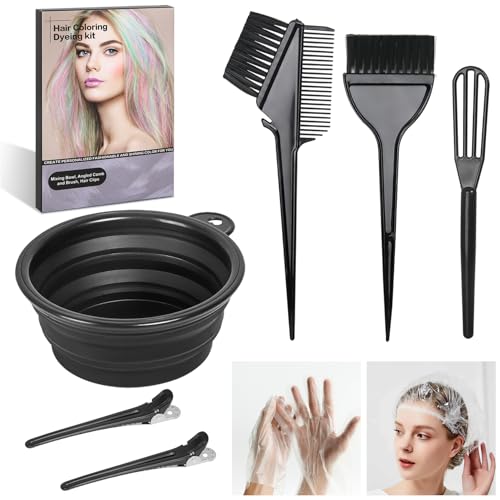
As an Amazon Associate, we earn from qualifying purchases.
Price as of Sep 17, 2026. Product prices and availability are accurate as of the date indicated and are subject to change. Any price and availability information displayed on Amazon at the time of purchase will apply.
Professional hair color costs $60 to $350 per visit in 2026: a root touch-up runs $50 to $100, single-process all-over color $60 to $150, full highlights $150 to $300, and balayage $150 to $350+, with long or thick hair pushing balayage to $250 to $450.
Most US salon clients pay $60 to $350 per visit for professional hair color in 2026. A root touch-up runs $50 to $100, single-process all-over color $60 to $150, partial highlights $100 to $200, full highlights $150 to $300, and balayage or ombre $150 to $350 and up. Price climbs with hair length and thickness, salon tier, and stylist seniority, so the same balayage can be $150 at a budget chain and over $400 at a luxury salon with a master colorist.
| Service | Typical Price | Best For |
|---|---|---|
| Root touch-up | $50 to $100 | Maintaining single-process color |
| Single-process color | $60 to $150 | Solid all-over color or gray coverage |
| Full highlights | $150 to $300 | Dimension and brightness |
| Balayage / ombre | $150 to $350+ | Low-maintenance, sun-kissed blend |
Balayage is hand-painted freehand, lightener by lightener, then usually toned and glossed, so it can take two to four hours of a colorist's time versus under an hour for single-process color. You are paying for skill and chair time, not just product. That is why balayage starts around $150 on short hair but runs $250 to $450 on long or thick hair, while a single-process color rarely tops $150. The trade-off is maintenance: balayage grows out softly and only needs a refresh every three to four months, while single-process roots show in three to four weeks.
Length and thickness are second only to the service type. Long or dense hair uses more lightener and toner and takes longer to section, foil, and process, so salons charge a length upcharge of $25 to $150 on top of the base price. A balayage that is $150 on short hair is often $250 to $350 on long hair. Many salons quote a 'short, medium, long' tier, and some add a separate 'extra thick' or 'extra long' surcharge, so always confirm which tier your hair falls into before booking.
A gloss or toner is what makes color look finished — it neutralizes brassiness, adds shine, and blends highlights into your base. Many balayage and highlight prices already include a toner, but if it is billed separately it adds about $25 to $60. A standalone gloss between full color appointments costs $30 to $80 and refreshes tone for four to six weeks. If your quote looks unusually low, check whether a toner is bundled, because adding it later can erase the savings.
The biggest savings come from choosing a lower-maintenance service and the right stylist level. Balayage and ombre are designed to grow out, so you visit the salon three or four times a year instead of monthly. Booking a junior or apprentice stylist at a training salon can cut 20 to 40 percent off the price for the same supervised work. At-home boxed color costs $8 to $25 but risks uneven results and expensive corrections, so it is safest for simple root touch-ups, not lightening or color correction.
Inputs
Result
A balayage on shoulder-length hair with a senior stylist at a neighborhood salon sits near the national average. A toner is folded into the price; a blowout is extra.
Inputs
Result
A simple gray-coverage root touch-up at a budget chain with a junior stylist sits at the floor of the market, but monthly upkeep adds up over a year.
Inputs
Result
Full foils on long, dense hair with a master colorist in a premium metro, plus a gloss and blowout, land at the top of the range. Length and tier each add a premium.
Visit price = Base service fee + Length upcharge + Salon-tier multiplier + Stylist premium + Add-onsSalon color is priced from a base service fee, then adjusted for hair length, salon tier, stylist seniority, and any toner or blowout add-ons. Start from the service midpoint and layer the other drivers on top.
Where:
Base service fee= Root touch-up $50-$100, single-process $60-$150, full highlights $150-$300, balayage $150-$350+Length upcharge= Long or thick hair adds $25-$150 for extra product and processing timeSalon-tier multiplier= Luxury salons run 30-60% above budget chains for the same serviceStylist premium= A master colorist costs 20-40% more than a junior or apprentice stylistAdd-ons= Gloss or toner adds $25-$60; a blowout adds $30-$60Annual cost = Visit price x Visits per year (based on how fast roots or fade show)Two services with the same per-visit price can cost very different amounts per year because they need refreshing on different schedules. Multiply the per-visit price by your realistic number of visits.
Where:
Single-process roots= Show in 3-4 weeks, so 9-12 visits a yearFull highlights= Refresh every 6-8 weeks, so 6-8 visits a yearBalayage / ombre= Grows out softly, so only 3-4 visits a yearGloss between visits= A $30-$80 gloss can stretch the gap and lower annual spendHair color is one of the most variable services on a salon menu, because "color" can mean a fifteen-minute root touch-up or a four-hour, hand-painted balayage with multiple toners. In 2026, the typical US client pays $60 to $350 per visit, but the floor and ceiling stretch well beyond that once length, salon tier, and stylist seniority come into play. A simple root touch-up at a budget chain can be $50, while a full head of balayage on long hair with a master colorist at a luxury salon can top $450.
The single biggest driver is the service itself. A root touch-up — refreshing the new growth on single-process color — runs $50 to $100. All-over single-process color, whether for a solid shade or gray coverage, runs $60 to $150. Highlights add dimension and cost more because each foil is placed by hand: partial highlights run $100 to $200 and a full head runs $150 to $300. Balayage and ombre, painted freehand and almost always finished with a toner, run $150 to $350 and climb to $250 to $450 on long or thick hair. Use the calculator above to land on a figure for your service, length, and salon, then read on to understand what each input is really pricing.
It helps to know what a color price does and does not include. A quoted balayage usually covers the lightening, foils or freehand painting, and a finishing toner, but it may exclude a blowout, a haircut, or a deep-conditioning treatment, each of which is commonly upsold at the chair. When you compare two quotes, confirm whether toner and styling are bundled, because those add-ons can swing the real out-the-door price by $50 to $120 before tip.
| Service | Typical Price | Time in Chair | Best For |
|---|---|---|---|
| Root touch-up | $50-$100 | 30-45 min | Maintaining single-process color |
| Single-process color | $60-$150 | 45-90 min | Solid color or gray coverage |
| Partial highlights | $100-$200 | 1.5-2.5 hr | Subtle face-framing dimension |
| Full highlights | $150-$300 | 2-3 hr | All-over brightness |
| Balayage / ombre | $150-$350+ | 2-4 hr | Low-maintenance, blended grow-out |
Most salons now bundle a finishing toner into highlight and balayage prices, but always confirm it before booking — a quote that omits toner can look cheaper until you add the $25 to $60 it takes to actually finish the color.
Two clients asking for "balayage" can get quotes that differ by $200, and the gap is rarely arbitrary. Colorists price from a base service and then adjust for the workload your hair creates and the overhead of where you sit. Hair color is a time-and-skill business, and labor is the overwhelming majority of what you pay for, so anything that adds chair time or specialized expertise adds dollars.
Read every quote against the list below. If a stylist cannot explain how your hair length or chosen service maps to their price, that is a sign the number will be revised upward once they see your hair in person — especially for color correction, which is its own premium category.
Ask whether a color correction fee applies before your appointment. Fixing a previous box dye, a brassy tone, or banding is billed separately and can add $150 to $500+, because it takes extra lightening sessions and product to undo.
The three core color services buy very different looks and maintenance schedules, and overpaying happens when a client books a high-effort service they do not actually need. Single-process color is the recording layer of hair color: one shade applied all over, fast and affordable, perfect for solid color or covering gray. Its weakness is upkeep — roots show in three to four weeks, so a single-process habit means a root touch-up cycle that quietly adds up across the year.
Highlights and balayage add dimension, but they get there differently. Highlights use foils to lift precise sections, which is faster and more uniform; balayage is hand-painted freehand for a softer, sun-kissed blend that grows out without a hard line. Balayage costs more per visit because it is slower and more artistic, but its forgiving grow-out means you visit far less often. The table below shows what each service includes and who it fits, so you can match spend to the look you actually want.
There is also a practical sequence many clients follow. They start with single-process color or box dye, move to partial highlights for a little dimension, then graduate to full highlights or balayage once they want a salon-finished look they do not have to chase every month. Paying for a full balayage when you only need a root touch-up is the most common way to overspend, and choosing balayage specifically to reduce visit frequency is the most common way to save.
| Service | What You Get | Per-Visit Price | Refresh Cycle |
|---|---|---|---|
| Single-process | Solid all-over color | $60-$150 | 3-4 weeks (roots) |
| Full highlights | Foiled dimension | $150-$300 | 6-8 weeks |
| Balayage / ombre | Hand-painted blend | $150-$350+ | 3-4 months |
Buy the service your maintenance tolerance can sustain, not the trendiest one. Balayage costs more upfront but can be cheaper per year than single-process because it needs a fraction of the visits.
Beyond the service, the two inputs that move a color quote the most are your hair length and the add-ons you say yes to at the chair. Length and thickness drive product use and processing time directly: a balayage that is $150 on a short bob is routinely $250 to $350 on long hair and can pass $450 on extra-thick hair, because the colorist needs more lightener, more foils or painting, and more time to section and process every strand evenly.
Add-ons are where the final bill quietly grows. A gloss or toner — often the difference between brassy and polished — adds about $25 to $60 if it is not already bundled, and a standalone gloss between full appointments runs $30 to $80 to refresh tone for four to six weeks. A blowout to show off the finished color adds $30 to $60, and a bonding or deep-conditioning treatment to protect lightened hair adds $20 to $50. None of these are required, but stylists offer them at the chair, so decide in advance which you actually want.
Tipping is the last line most people forget to budget. Salon color is a personal service, and a 15 to 20 percent tip on a $250 balayage is another $38 to $50 out the door. If you want help splitting that across a group booking or checking the math on a service, the tip calculator handles it. Factor the tip into your real cost from the start, because on premium color it is a meaningful share of the total.
Once you know your per-visit figure, the next question is whether the full salon price is the right model for you. The three paths are at-home box color, a junior or apprentice stylist, and a senior or master colorist, and they fit different goals and risk tolerances. Boxed color costs $8 to $25 and works for simple, single-shade root touch-ups when you are matching or going darker. Its hidden cost is risk: lightening, color correction, and dramatic changes from a box often end in a salon visit that costs more than doing it right the first time.
Booking a junior or apprentice stylist at a training salon is the most reliable way to cut salon price without cutting corners on safety. Apprentices work under supervision and charge 20 to 40 percent less than senior staff, which makes them a smart choice for straightforward color. A master colorist commands a premium because of their eye for placement and color correction — worth it for complex blends, big transformations, or fixing someone else's mistake, but overkill for a basic touch-up. If you are booking color and a cut in the same chair, the haircut cost calculator helps you budget the combined visit.
| Option | Typical Cost | Best For |
|---|---|---|
| At-home box color | $8-$25 | Simple root touch-ups, going darker |
| Junior / apprentice stylist | 20-40% off salon price | Straightforward salon color |
| Senior stylist | Standard salon price | Highlights, balayage, reliable results |
| Master colorist | 20-40% premium | Corrections, complex transformations |
The cheapest color appointment is the one you do not have to fix, so vet a colorist on portfolio and transparency rather than headline price alone. Book a consultation for any big change — going from dark to blonde, a full balayage, or a color correction — and bring photos so the stylist can quote an accurate price and time. A number quoted sight-unseen for a major transformation is almost always a starting point that rises once they assess your hair's history and condition.
Confirm exactly what the price covers before you sit down. Ask whether toner, a blowout, and a treatment are included or extra, how many sessions a big change will take, and what a maintenance visit will cost so you can budget the whole year, not just day one. For lightening and corrections you want an experienced colorist, not the cheapest chair, because a botched lightening job is the most expensive mistake in the category to undo.
Finally, plan the maintenance before you commit to the look. The right question is not only "what does this cost today" but "what does this cost per year," and the answer depends entirely on refresh frequency. A low-maintenance balayage at three or four visits a year can beat a single-process habit that pulls you back every month. Pair your color budget with the other self-care services you book — the spa day, facial, and massage calculators use the same quote-comparison discipline — so your full beauty budget reflects reality.
Never choose a colorist on price alone for lightening or color correction. A cheap chair that damages or mis-tones your hair costs far more in corrective sessions and treatments than the money you saved on the first visit.
Define the look
Decide whether you need a touch-up, all-over color, highlights, or balayage before requesting quotes so the numbers are comparable.
Book a consultation
For any major change, bring reference photos so the colorist can quote accurate price, time, and number of sessions.
Confirm what is included
Ask whether toner, blowout, and treatments are bundled or billed separately, and pin down the maintenance-visit cost.
Match the stylist to the job
Use a junior stylist for simple color and a master colorist for corrections or complex transformations.
Budget the full year
Multiply the per-visit price by your realistic refresh cycle, and add 15 to 20 percent for the tip.
Read our guide
Read our guide
Read our guide
Price haircuts, facials, massage, spa days, and self-care services, then plan a realistic beauty and wellness budget.
Last Updated: Sep 17, 2026
This calculator is provided for informational and educational purposes only. Results are estimates and should not be considered professional financial, medical, legal, or other advice. Always consult a qualified professional before making important decisions. UseCalcPro is not responsible for any actions taken based on calculator results.