Average Fence Cost by State in 2026 (All 50 States Compared)
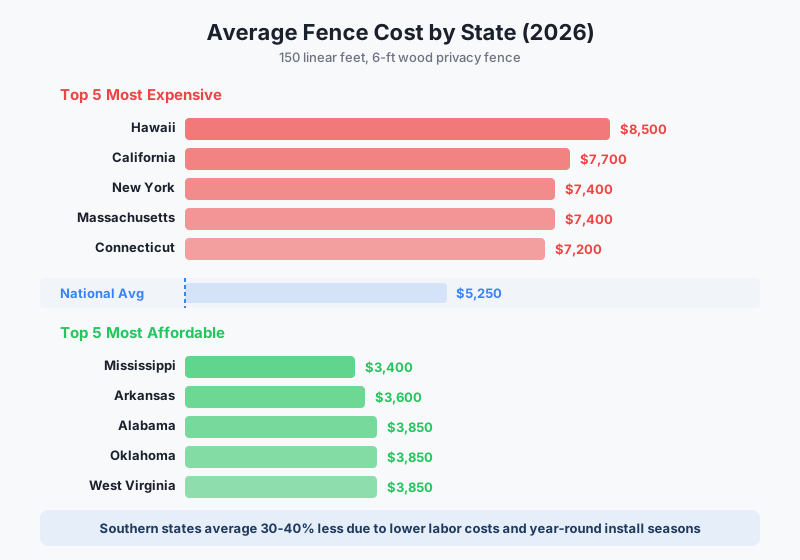
The average fence installation costs $5,500 nationally for a 150-linear-foot wood privacy fence in 2026, but prices range from $3,400 in Mississippi to over $8,500 in Hawaii. State-to-state variation is driven by labor rates, material availability, soil conditions, and local permit requirements. A fence that costs $4,000 in rural Alabama might run $7,500 for the same materials and linear footage in suburban New Jersey.
Fence costs can swing dramatically across state lines even for identical projects, as comparisons across four different states show. A 200-foot cedar privacy fence quoted at $6,800 in central Pennsylvania would run $9,400 in northern New Jersey -- same materials, same fence height, same post spacing. The labor rate difference alone accounts for $1,800 of that gap, and the permit runs $45 in PA versus $275 in NJ.
Use our Fence Calculator to get a personalized estimate based on your linear footage, material choice, and location.
All 50 States: Fence Cost Comparison
The table below shows estimated costs for a standard 150-linear-foot, 6-foot-tall wood privacy fence (pressure-treated pine), fully installed with posts, panels, one walk gate, and one drive gate.
| State | Average Cost | Low Range | High Range | vs. National |
|---|---|---|---|---|
| Alabama | $3,850 | $2,900 | $4,800 | -30% |
| Alaska | $6,600 | $5,000 | $8,200 | +20% |
| Arizona | $5,200 | $3,900 | $6,500 | -5% |
| Arkansas | $3,600 | $2,700 | $4,500 | -35% |
| California | $7,700 | $5,800 | $9,600 | +40% |
| Colorado | $5,800 | $4,400 | $7,300 | +5% |
| Connecticut | $7,200 | $5,400 | $9,000 | +31% |
| Delaware | $5,800 | $4,400 | $7,300 | +5% |
| Florida | $5,200 | $3,900 | $6,500 | -5% |
| Georgia | $4,700 | $3,500 | $5,900 | -15% |
| Hawaii | $8,500 | $6,400 | $10,600 | +55% |
| Idaho | $4,400 | $3,300 | $5,500 | -20% |
| Illinois | $5,800 | $4,400 | $7,300 | +5% |
| Indiana | $4,700 | $3,500 | $5,900 | -15% |
| Iowa | $4,700 | $3,500 | $5,900 | -15% |
| Kansas | $4,400 | $3,300 | $5,500 | -20% |
| Kentucky | $4,100 | $3,100 | $5,100 | -25% |
| Louisiana | $4,100 | $3,100 | $5,100 | -25% |
| Maine | $5,800 | $4,400 | $7,300 | +5% |
| Maryland | $6,100 | $4,600 | $7,600 | +11% |
| Massachusetts | $7,400 | $5,600 | $9,300 | +35% |
| Michigan | $5,200 | $3,900 | $6,500 | -5% |
| Minnesota | $5,500 | $4,100 | $6,900 | +0% |
| Mississippi | $3,400 | $2,600 | $4,300 | -38% |
| Missouri | $4,700 | $3,500 | $5,900 | -15% |
| Montana | $4,400 | $3,300 | $5,500 | -20% |
| Nebraska | $4,400 | $3,300 | $5,500 | -20% |
| Nevada | $5,500 | $4,100 | $6,900 | +0% |
| New Hampshire | $5,800 | $4,400 | $7,300 | +5% |
| New Jersey | $7,200 | $5,400 | $9,000 | +31% |
| New Mexico | $4,100 | $3,100 | $5,100 | -25% |
| New York | $7,400 | $5,600 | $9,300 | +35% |
| North Carolina | $4,700 | $3,500 | $5,900 | -15% |
| North Dakota | $4,400 | $3,300 | $5,500 | -20% |
| Ohio | $5,200 | $3,900 | $6,500 | -5% |
| Oklahoma | $3,850 | $2,900 | $4,800 | -30% |
| Oregon | $6,100 | $4,600 | $7,600 | +11% |
| Pennsylvania | $5,500 | $4,100 | $6,900 | +0% |
| Rhode Island | $6,600 | $5,000 | $8,200 | +20% |
| South Carolina | $4,400 | $3,300 | $5,500 | -20% |
| South Dakota | $4,100 | $3,100 | $5,100 | -25% |
| Tennessee | $4,700 | $3,500 | $5,900 | -15% |
| Texas | $4,400 | $3,300 | $5,500 | -20% |
| Utah | $5,200 | $3,900 | $6,500 | -5% |
| Vermont | $5,800 | $4,400 | $7,300 | +5% |
| Virginia | $5,500 | $4,100 | $6,900 | +0% |
| Washington | $6,600 | $5,000 | $8,200 | +20% |
| West Virginia | $3,850 | $2,900 | $4,800 | -30% |
| Wisconsin | $5,200 | $3,900 | $6,500 | -5% |
| Wyoming | $4,100 | $3,100 | $5,100 | -25% |
Tip
These estimates assume pressure-treated pine. Vinyl fencing adds 40-70% to these numbers. Cedar adds 25-45%. Chain link runs 40-60% less.
Top 5 Most Expensive States
1. Hawaii ($8,500)
Everything in Hawaii costs more because every stick of lumber arrives by container ship. Shipping adds $0.50-$1.00 per board foot to material costs, and the limited contractor pool drives labor rates 30-50% above mainland averages. A cedar privacy fence in Honolulu can exceed $13,000 for 150 linear feet.
2. New York ($7,400)
New York City and Long Island drive the state average up. Fence installers in the NYC metro area charge $30-$45 per linear foot for labor alone. Upstate New York is significantly cheaper -- closer to $5,500-$6,000 for the same fence -- but the population-weighted average skews high.
3. Massachusetts ($7,400)
The Boston metro area is one of the most expensive construction markets in the country. High labor costs ($35-$50/hour for fence crews), strict municipal permitting, and a short optimal building season (April through October) all push prices up.
4. California ($7,700)
California's high cost comes from labor rates ($25-$40/hour for crews), fire-resistant material requirements in wildland-urban interface zones, and expensive permits in many jurisdictions ($150-$500). Southern California averages slightly less than the Bay Area.
5. Connecticut ($7,200)
Proximity to the NYC labor market, higher cost of living, and rocky New England soil (which increases post-hole drilling time and equipment costs) put Connecticut near the top. Rocky soil alone can add $500-$1,500 to a 150-foot fence project.
Top 5 Cheapest States
1. Mississippi ($3,400)
The lowest labor rates in the country combined with abundant pine lumber keep Mississippi fence costs 38% below national average. Fence crews in Mississippi charge $12-$18 per linear foot installed, compared to $25-$40 in the Northeast.
2. Arkansas ($3,600)
Similar to Mississippi: low labor costs, local lumber availability, and minimal permit requirements in many rural jurisdictions. A full 200-foot privacy fence in suburban Arkansas can come in under $5,000.
3. Alabama ($3,850)
Low cost of living translates directly to lower trade labor rates. Alabama also has a year-round building season, which keeps contractor schedules flexible and competitive.
4. Oklahoma ($3,850)
Oklahoma benefits from low labor costs and a competitive contractor market. The flat terrain and sandy soil make post-hole digging faster and cheaper than rocky Northeast soils.
5. West Virginia ($3,850)
Low cost of living, available timber, and a less competitive construction market keep fence prices well below the national average. Rural areas of West Virginia can see even lower pricing.
Regional Analysis
Northeast
The Northeast consistently ranks as the most expensive region for fence installation, averaging $5,800-$7,400 per project. Key drivers include high labor rates (union shops in metro areas), rocky soil that slows post installation, deep frost lines requiring 36-42 inch post depth, and a compressed building season. New England also has more restrictive local ordinances, with many towns requiring surveyor stakes, setback verification, and historic district review.
South
The South is the most affordable region, averaging $3,400-$5,200 per project. Year-round building weather, lower labor costs, abundant pine lumber, and easier digging conditions all contribute. Florida is an exception -- hurricane-prone areas may require post depth of 36+ inches and wind-rated panels, which adds cost.
Midwest
The Midwest falls near the national average at $4,400-$5,800. Deep frost lines (36-42 inches in northern states) require longer posts and more concrete per hole. However, a competitive contractor market and moderate labor rates keep overall costs reasonable. Spring and summer are peak season; late fall builds can save 10-15%.
West
The West shows the widest variation. California and Washington run 20-40% above national average due to labor costs and regulations. Mountain states (Idaho, Montana, Wyoming) are 20-25% below average, closer to Midwest pricing. The Pacific Northwest has high labor costs but good lumber availability from local mills.
What Drives State-to-State Cost Variation?
Labor Rates
Labor is 40-60% of total fence cost. The Bureau of Labor Statistics reports construction labor rates range from $16/hour in Mississippi to $38/hour in Massachusetts. This single factor accounts for most state-to-state variation.
Material Availability
States near lumber mills (Pacific Northwest, Southeast) have lower material costs. Hawaii, Alaska, and states far from supply chains pay premium shipping fees. Treated pine costs $2-$3 less per board in the Southeast than in New England.
Soil Conditions
Rocky soil (New England, parts of Appalachia) requires auger upgrades or even jackhammering for post holes, adding $3-$10 per post location. Sandy soil (Southeast, Plains) digs in minutes. Clay soil (Midwest) falls in between but may require larger post-hole diameter for drainage.
Permit Requirements
Permit costs range from $0 (many rural areas) to $500+ (NYC, San Francisco). Some jurisdictions require professional surveys ($300-$600) before issuing fence permits. Others require HOA approval processes that can delay projects by weeks.
Climate and Frost Line
Northern states require posts set 36-48 inches deep to reach below the frost line. Southern states only need 18-24 inches. Deeper posts mean more concrete per hole, longer posts, and more digging time -- all adding to cost.
Frequently Asked Questions
How much does a 200-foot fence cost in my state?
For a 200-foot wood privacy fence, multiply your state's average 150-foot cost by 1.30-1.35. The per-foot cost drops slightly on longer runs because setup, mobilization, and gate costs are spread across more footage. For example:
- Mississippi (cheapest): $4,400-$5,600
- National average: $7,100-$7,400
- California (expensive): $10,000-$12,500
- Hawaii (most expensive): $11,000-$13,800
Material volume discounts also kick in on larger projects. Many lumber yards offer 5-10% off orders over $1,500 in materials.
Is vinyl fencing more expensive in every state?
Yes, vinyl costs 40-70% more than pressure-treated wood in every state, but the gap varies. In southern states where PT wood is cheapest, the vinyl premium is highest (70%+ more). In northeastern states where wood is already expensive, vinyl only adds 40-50%.
- Mississippi: PT wood $3,400 vs. vinyl $5,800 (+71%)
- New York: PT wood $7,400 vs. vinyl $10,400 (+41%)
- California: PT wood $7,700 vs. vinyl $11,500 (+49%)
Vinyl's maintenance savings ($0-$100/year vs. $300-$800/year for wood staining) narrow the gap over 15-20 years.
What is the cheapest region for fence installation?
The Deep South (Mississippi, Alabama, Arkansas, Louisiana) consistently offers the lowest fence prices in the country. Average installed costs run 25-38% below the national average due to:
- Lowest labor rates: $12-$18/linear foot installed
- Abundant local lumber: Proximity to southeastern pine mills
- Year-round building season: No winter shutdown
- Sandy/clay soil: Easy digging, no rock premiums
- Minimal permits: Many rural jurisdictions require no fence permits
Even metro areas in the South (Atlanta, Charlotte, Nashville) run 10-15% below the national average.
Do fence costs vary within a state?
Yes, dramatically. Urban vs. rural pricing within a single state can vary by 30-50%. In New York, for example:
- NYC/Long Island: $8,500-$10,000 for 150 ft
- Westchester/Hudson Valley: $7,000-$8,500
- Upstate (Syracuse, Buffalo): $5,000-$6,000
- Rural upstate: $4,000-$5,000
The key drivers are local labor rates, contractor density, and municipal permitting requirements. Metro areas with high demand and limited contractor availability charge premium rates.
When is the cheapest time of year to install a fence?
Late fall and winter (November through February) are the cheapest months in most states. Contractors offer 10-20% discounts to keep crews working during the slow season. Exceptions:
- Northern states (MN, WI, ME): Ground freezes make winter installation impractical. Schedule for early spring or late fall before first hard freeze.
- Southern states: Year-round installation possible, but hurricane season (June-November) in coastal areas can delay projects.
- Spring rush: March through May is the busiest period nationally. Booking 4-6 weeks ahead is common.
Even in moderate climates, a December fence installation can save $500-$1,000 on a typical project.
Should I get a survey before installing a fence?
Absolutely yes. A $300-$600 property survey can save you thousands in disputes, fines, or forced relocation. Homeowners have been forced to move entire fence sections because they were 6-14 inches over property lines. The cost breakdown:
- Property survey: $300-$600
- Moving a fence section after installation: $1,500-$3,000
- Legal fees for boundary disputes: $2,000-$10,000+
- Neighbor mediation: Priceless headache you want to avoid
Many fence contractors will require a survey or at least confirmed property pins before starting. Some municipalities require survey documentation as part of the permit process.
Cost data sourced from Angi, HomeGuide, HomeAdvisor, and HomeWyse. Prices reflect 2026 estimates based on regional labor and material cost adjustments. Actual costs vary by specific location, contractor, and project details.
This article is provided for informational and educational purposes only. Content should not be considered professional financial, medical, legal, or other advice. Always consult a qualified professional before making important decisions. UseCalcPro is not responsible for any actions taken based on the information in this article.
Try These Calculators
Estimate fence posts, rails, panels, gates, and total project cost for wood or vinyl fences. Enter fence length and spacing to get a full material list.
Estimate 2026 fence installation cost by linear feet, material, height, and region. Wood, vinyl, chain link, and aluminum quotes from $1,200 to $20,000.
Estimate 2026 brick wall build cost by height, length, and type. A 6 ft by 30 ft freestanding wall runs $5,400 to $13,500 installed including footing.
Estimate 2026 tire replacement service cost by vehicle type, tire tier, and ZIP. New tires installed run $400–$1,800 for a set of four with alignment.
Get 2026 laminate flooring installation cost near you by ZIP, room size, and region. Labor $1.50-$4.50/sqft; typical 500 sqft local quote $2,000-$7,000.