Spray Foam vs. Blown-In Insulation Cost in 2026 (Full Comparison)
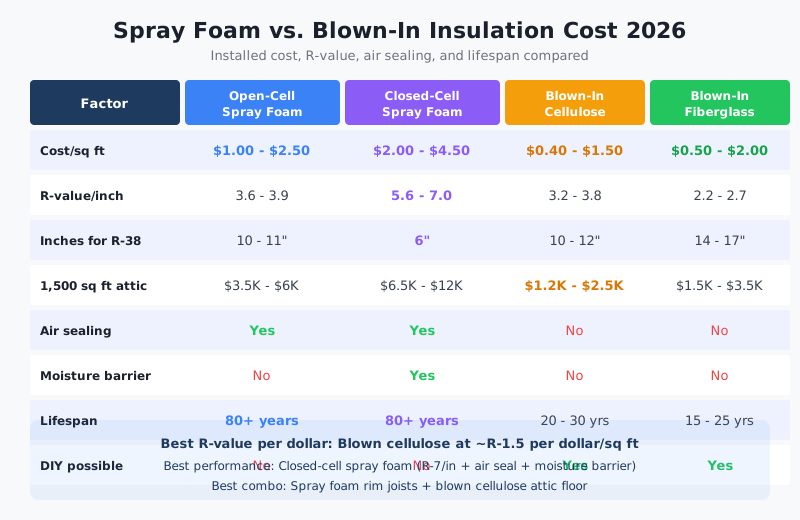
Spray foam insulation costs $1-$4.50 per square foot in 2026, while blown-in insulation costs $0.40-$2.50 per square foot -- making spray foam 2-5x more expensive upfront. However, spray foam provides air sealing plus insulation in one application, with an R-value of 3.6-7.0 per inch versus blown-in's 2.2-3.8 per inch. The right choice depends on where you are insulating and whether air sealing matters.
I compared costs on 7 attic insulation projects in Pennsylvania last year, and the results surprised even the contractors. A 1,500 sq ft attic floor insulated with blown cellulose to R-49 cost $2,100. The same attic with open-cell spray foam on the roofline (creating a conditioned attic) cost $6,800. The cellulose attic was perfectly fine. But the house next door -- with HVAC ducts running through an unconditioned attic -- saved $480/year on energy bills after spray foaming the roofline. That $4,700 cost difference paid back in under 10 years.
Use our Insulation Calculator to estimate material needs and costs for your specific project.
Head-to-Head Cost Comparison
| Factor | Spray Foam (Open-Cell) | Spray Foam (Closed-Cell) | Blown-In (Cellulose) | Blown-In (Fiberglass) |
|---|---|---|---|---|
| Material + labor/sq ft | $1.00 - $2.50 | $2.00 - $4.50 | $0.40 - $1.50 | $0.50 - $2.00 |
| R-value per inch | 3.6 - 3.9 | 5.6 - 7.0 | 3.2 - 3.8 | 2.2 - 2.7 |
| Inches for R-38 | 10-11" | 6" | 10-12" | 14-17" |
| 1,500 sq ft attic (R-38) | $3,500 - $6,000 | $6,500 - $12,000 | $1,200 - $2,500 | $1,500 - $3,500 |
| Air sealing included | Yes | Yes | No (separate cost) | No (separate cost) |
| Moisture barrier | No | Yes | No | No |
| Lifespan | 80+ years | 80+ years | 20-30 years (settles) | 15-25 years (settles) |
| DIY possible | No | No | Yes (rental machine) | Yes (rental machine) |
Tip
R-value targets by climate zone: Zone 1-3 (South): R-30 to R-38. Zone 4-5 (Mid-Atlantic, Midwest): R-38 to R-49. Zone 6-7 (North): R-49 to R-60. Check the DOE Insulation Guide for your zone.
When Spray Foam Is Worth the Premium
Spray foam costs 2-5x more, but in these situations the premium pays for itself:
1. Rim Joists (Fastest Payback: 2-4 years)
Rim joists are the #1 source of air leakage in most homes. Closed-cell spray foam at 2 inches ($2-$4/sq ft) provides R-13 plus a complete air barrier. Blown-in insulation cannot seal these gaps effectively. A 1,500 sq ft home has roughly 200 sq ft of rim joist area -- $400-$800 in spray foam.
2. Conditioned Attics with Ductwork
If your HVAC system and ducts run through the attic, spray-foaming the roofline converts the attic to conditioned space. This prevents duct losses of 20-30% that occur when ducts sit in a 140-degree attic. Cost: $4,000-$8,000 for a typical attic.
3. Crawl Spaces
Closed-cell spray foam on crawl space walls ($3-$5/sq ft) provides insulation, air sealing, and a moisture barrier in one application. The alternative (fiberglass batts + vapor barrier + air sealing) costs less initially but fails more often due to moisture and gravity.
4. Cathedral Ceilings and Tight Cavities
Spray foam fills irregular cavities completely, making it ideal for cathedral ceilings, sloped roofs, and walls with wiring and plumbing. Blown-in insulation settles in vertical applications and cannot seal around penetrations.
When Blown-In Insulation Is the Better Value
1. Open Attic Floors (Most Common Application)
Blowing cellulose or fiberglass over an open attic floor is the most cost-effective insulation upgrade for most homes. At $0.40-$2/sq ft, you can achieve R-49 for $1,200-$3,000 in a 1,500 sq ft attic. Spray foam costs 3-5x more for the same R-value in this application.
2. Adding to Existing Insulation
If your attic already has R-19 and you want R-49, blown-in over the existing insulation is the cheapest option. Just blow additional depth on top. Cost: $0.50-$1.50/sq ft.
3. Dense-Pack Wall Retrofits
Dense-pack cellulose blown into enclosed wall cavities ($1.50-$3/sq ft) fills irregular stud bays and provides moderate air resistance. Injection foam is an alternative at $3-$5/sq ft but often overkill for wall retrofits in mild climates.
Energy Savings Comparison
| Home Type | Before | Blown-In (R-38 attic) | Spray Foam (conditioned attic) |
|---|---|---|---|
| 1,500 sq ft, gas heat | $2,400/yr | $2,040/yr (-$360) | $1,800/yr (-$600) |
| 2,000 sq ft, heat pump | $1,800/yr | $1,530/yr (-$270) | $1,350/yr (-$450) |
| 2,500 sq ft, gas heat | $3,200/yr | $2,720/yr (-$480) | $2,400/yr (-$800) |
Payback period for attic insulation:
- Blown-in cellulose: 3-7 years
- Open-cell spray foam (roofline): 8-15 years
- Closed-cell spray foam (roofline): 10-20 years
Material Deep-Dive
Cellulose (Blown-In)
Made from 85% recycled newsprint treated with borate fire retardant. R-3.2-3.8 per inch. Excellent sound dampening. Settles 15-20% over time, so installers over-blow to compensate. Green Fiber and National Fiber are major brands.
Fiberglass (Blown-In)
Spun glass fibers blown loose into cavities. R-2.2-2.7 per inch (lower than cellulose). Does not settle as much as cellulose. Owens Corning ProPink and CertainTeed InsulSafe are common brands. Less dusty than cellulose during installation.
Open-Cell Spray Foam
Expands to 100x its liquid volume, filling cavities completely. R-3.6-3.9 per inch. Excellent air barrier but not a moisture barrier -- requires vapor retarder in cold climates. Costs 40-50% less than closed-cell. Best for interior applications.
Closed-Cell Spray Foam
Denser and stronger than open-cell. R-5.6-7.0 per inch. Provides air sealing, moisture barrier, and structural rigidity. Adds racking strength to walls. Required in flood zones below the flood line. The premium choice for crawl spaces and exterior applications.
DIY vs. Professional
| Factor | DIY Blown-In | Professional Blown-In | Professional Spray Foam |
|---|---|---|---|
| Cost (1,500 sq ft attic) | $500 - $1,200 | $1,200 - $3,000 | $3,500 - $12,000 |
| Equipment | Free rental with purchase | Professional blower | Specialized rig ($50K+) |
| Time | 4-8 hours | 2-4 hours | 4-8 hours |
| Skill level | Beginner | -- | Expert only |
| Available at home centers | Yes (cellulose/fiberglass) | -- | No |
DIY blown-in insulation is one of the highest-ROI home improvements you can do yourself. Home Depot and Lowe's offer free 24-hour blower rental with a minimum insulation purchase (typically 20+ bags).
Frequently Asked Questions
Is spray foam insulation worth the extra cost?
It depends on the application. Spray foam is worth the premium for rim joists (2-4 year payback), conditioned attics with ductwork (8-12 year payback), and crawl spaces. For open attic floors without ductwork, blown-in insulation achieves the same R-value at 60-80% lower cost.
Can I combine spray foam and blown-in insulation?
Yes -- this is actually the most cost-effective approach for many homes. Spray foam the rim joists and any air-sealing-critical areas, then blow cellulose over the attic floor. You get the air sealing benefits where they matter most and the bulk R-value where it is cheapest.
How long does each type of insulation last?
Spray foam lasts 80+ years without degradation. Blown-in cellulose lasts 20-30 years before significant settling reduces R-value. Blown-in fiberglass lasts 15-25 years. However, "lasting" is relative -- even settled blown-in insulation still provides substantial R-value; it just falls below the original target.
Does spray foam off-gas?
Yes, during and immediately after installation. Spray foam releases isocyanate vapors during application and requires 24-72 hours of ventilation before the home is reoccupied. Once fully cured, off-gassing is negligible. Properly trained installers follow strict safety protocols during application.
Which insulation has the best R-value per dollar?
Blown-in cellulose offers the best R-value per dollar at approximately R-1.5 per dollar per square foot. Closed-cell spray foam delivers about R-0.8 per dollar per square foot. However, spray foam's air-sealing properties provide energy savings that pure R-value calculations do not capture.
Can I blow insulation over existing insulation?
Yes, as long as the existing insulation is dry and not moldy. Simply blow the new insulation directly on top of the old material. There is no need to remove existing insulation unless it is damaged. Adding R-19 over existing R-19 gives you R-38 -- the R-values are additive.
Cost data sourced from Angi, InsulationRValues.com, SprayMan, and OneClickDIY. Prices reflect 2026 national averages and may vary by region.
This article is provided for informational and educational purposes only. Content should not be considered professional financial, medical, legal, or other advice. Always consult a qualified professional before making important decisions. UseCalcPro is not responsible for any actions taken based on the information in this article.
Try These Calculators
Compare spray foam vs fiberglass insulation costs in 2026: upfront price, yearly bill savings, and break-even year. See which insulation actually pays off.
Estimate 2026 spray foam insulation cost by sqft and foam type. Open-cell runs $1.50-$3.50/sqft; closed-cell $3-$5/sqft; 1,500 sqft attic $4,500-$9,000.
Estimate 2026 wall insulation cost by method, wall sqft, and region. Dense-pack cellulose retrofit runs $1.50-$3.50/sqft; a 1,500 sqft home is $2,500-$5,500.
Estimate 2026 exterior paint cost per gallon and total material spend. Behr $28-$55, Benjamin Moore $45-$95, Sherwin-Williams $60-$120 per gallon (2 coats).