Lawn Fertilizer Cost Calculator: 2026 Bag and Service Guide
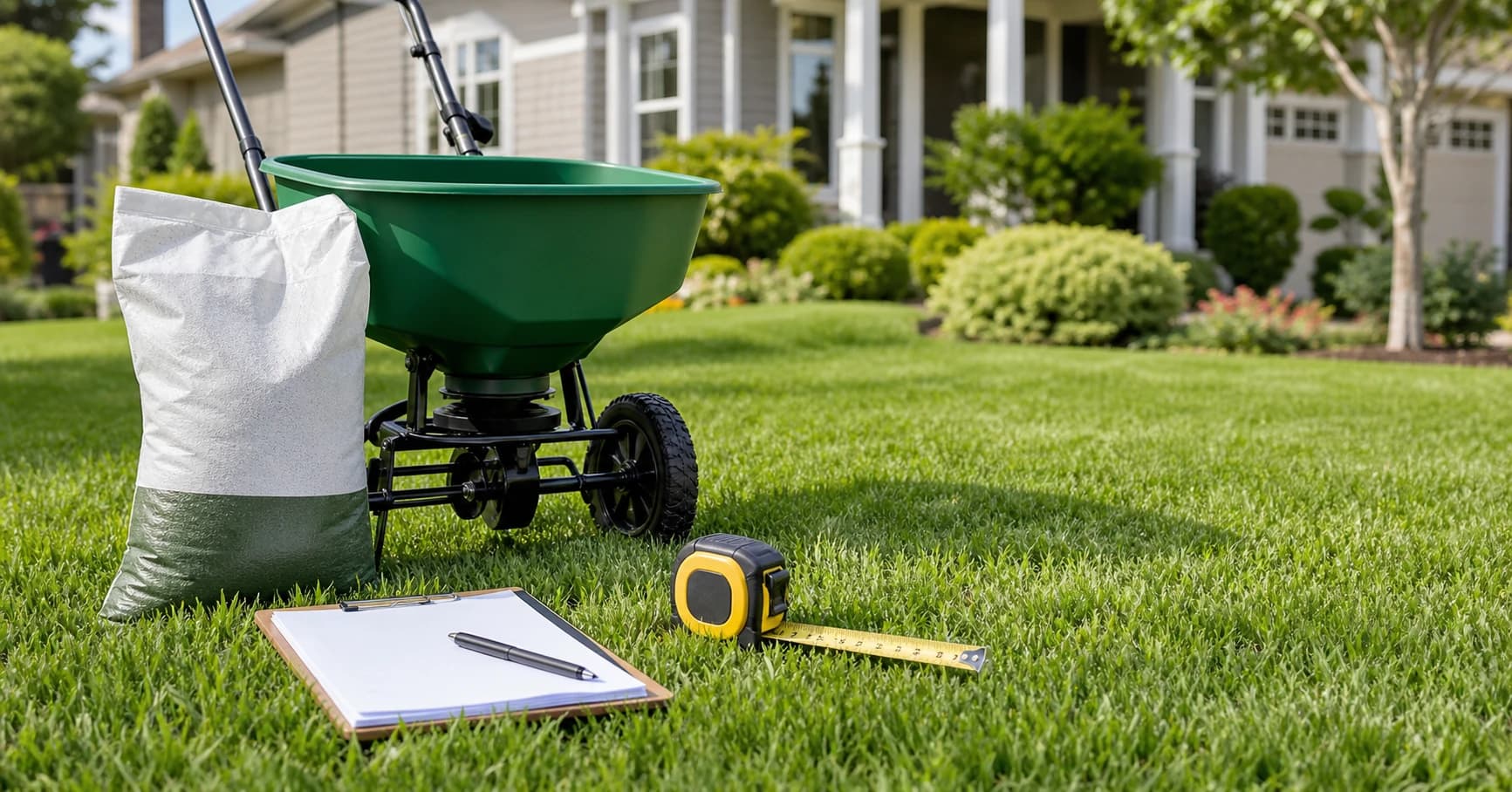
Lawn Fertilizer Cost Calculator Guide for 2026 A lawn fertilizer cost calculator estimates your 2026 fertilizer budget by multiplying lawn area, target nitrogen rate, product analysis, bag size, and price per bag. Most DIY lawns cost about $0.01-$0.04 per square foot per application for granular fertilizer, while professional fertilization programs often run $50-$125 per visit for a typical 5,000- to 10,000-square-foot lawn. Use the Lawn Fertilizer Calculator(/garden/lawn-fertilizer-calculator) to convert your N-P-K label into bags and dollars. The common mistake is buying by bag count instead of nutrient rate. A 5,000-square-foot lawn needing 1 pound of nitrogen per 1,000 square feet needs 5 pounds of actual nitrogen. A 50-pound bag of 10-10-10 contains only 5 pounds of nitrogen, so one bag covers the application. A 32-pound bag of 24-0-10 contains 7.68 pounds of nitrogen, so it covers more area even if the bag is smaller. The cheaper-looking bag is not always...
What 700+ Vegetable Garden Calculations Reveal About Home Growers in 2026
What 700+ Vegetable Garden Calculations Reveal About Home Growers in 2026 Across seven home-garden calculators — sprinkler coverage, garden row covers, soil amendment, companion planting, microgreen yield, mushroom substrate, and garden fountain pump — UseCalcPro logged 700+ computes in the 90-day window ending 2026-05-12. The standout fact: 44.7% of sprinkler-coverage visitors took a save, share, or AI Explain action, three times the site-wide average of 14.8%. Vegetable gardeners are not casual browsers. They size their bed, lock in the math, and walk straight to the hardware store. This analysis pulls real session inputs and outputs from the calculator event pipeline. No survey data. Every number below came from a visitor who filled out the calculator, saw a result, and either iterated or moved on. Aggregate counts cover 90 days; individual session reconstructions come from event chronology within a single visitor ID. Use our Sprinkler Coverage Calculator(/garden/sprinkler-coverage-calculator), Garden Row Cover Calculator(/garden/garden-row-cover-calculator),...
Garden Shed Sizing by the Numbers: What Real Homeowner Sessions Reveal in 2026
Garden Shed Sizing by the Numbers: What Real Homeowner Sessions Reveal in 2026 A single real visitor session on 2026-04-22 ran seven computes through our Garden Shed Calculator, adding and removing equipment until the recommended shed jumped from 8×10 ($1,200) to 10×16 ($3,500). That one session tells the whole story of how homeowners actually size outdoor storage: they start with the lawn mower and wheelbarrow, keep adding, and hit a sticker-shock threshold somewhere between the 8×12 and 10×12 size. This analysis looks at real garden project calculations from the 30-day window ending 2026-04-22. The session-level detail is what makes garden planning data interesting: users are not answering a survey, they are negotiating with themselves about what to keep in the shed. Use our Garden Shed Calculator(/garden/garden-shed-calculator) to run your own equipment list. The equipment-by-equipment cost curve Here is the actual session, reconstructed from calculator event logs: | | Equipment |...
Raised Bed vs In-Ground Garden Cost in 2026 (Full Comparison)
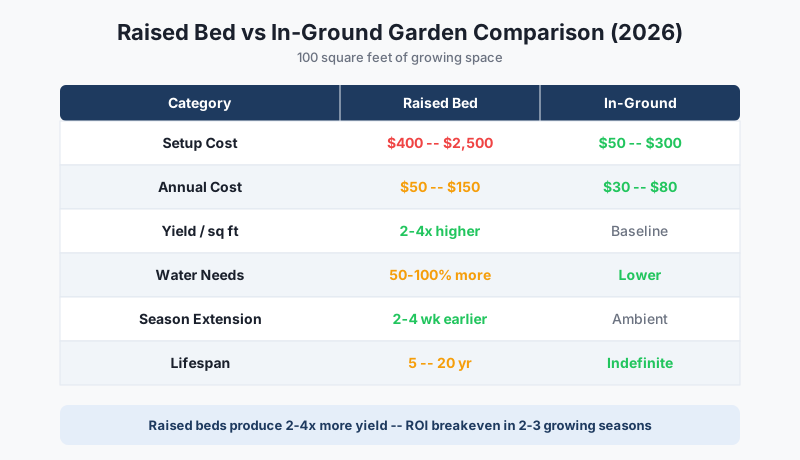
Raised Bed vs In-Ground Garden: Cost, Yield & ROI Compared (2026) A raised bed garden costs $100-$900 per 4x8 bed in 2026, depending on frame material and soil fill, while an in-ground garden costs near zero to $200 if your native soil is workable. Raised beds produce 2-4x more yield per square foot through intensive spacing and controlled soil, but they require 50-100% more water due to faster drainage. For 100 square feet of growing space, expect $400-$2,500 in first-year raised bed costs versus $50-$300 for in-ground, with ongoing annual costs of $50-$150 and $30-$80, respectively. Consider a real 100-square-foot comparison in USDA Zone 6b: three 4x8 cedar raised beds at 12 inches deep, filled with 32 cubic feet each of a 40/40/20 topsoil-compost-vermiculite mix. Total first-year cost: $870 for lumber, hardware, and 4.2 cubic yards of bulk soil blend. A neighboring in-ground plot -- same 100 square feet, tilled...
Composting for Beginners: C:N Ratios, Methods & Calculator Guide
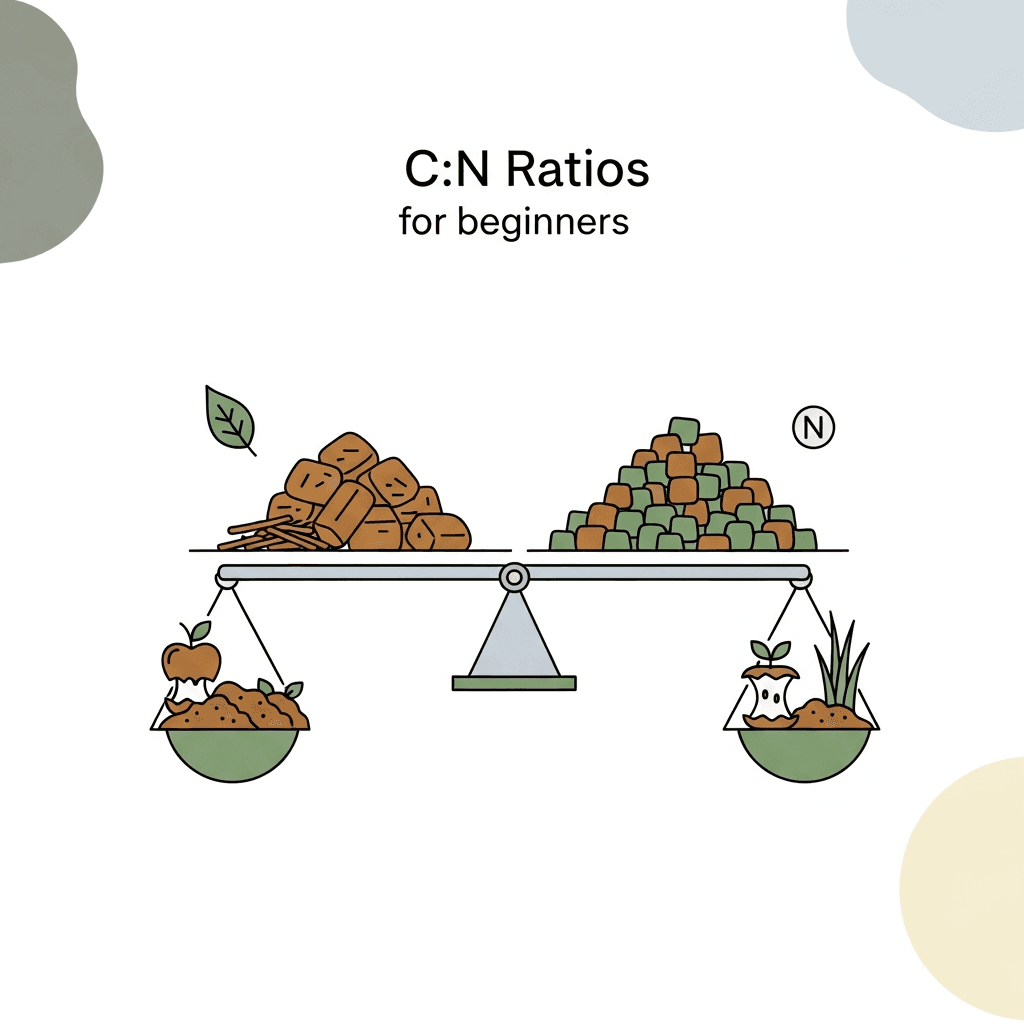
Composting for Beginners: C:N Ratios, Methods & Calculator Guide Successful composting requires a carbon-to-nitrogen (C:N) ratio between 25:1 and 30:1, a minimum pile size of 3x3x3 feet (1 cubic yard), and internal temperatures of 131-170F for hot composting. Get the ratio wrong and your pile either smells (too much nitrogen) or sits inert for months (too much carbon). Nature runs on ratios -- learn them, and your compost practically makes itself. Consider a representative case: a homeowner dumped 200 lbs of grass clippings into a 4x4x3-foot bin with no brown material. The C:N ratio was approximately 20:1 -- too nitrogen-heavy. Within 48 hours the pile went anaerobic: slimy, foul-smelling, attracting flies. Turning it did not help, because without carbon sources, it re-compacted immediately. The fix took a weekend and a truck bed full of dry leaves: adding 150 lbs of leaves (C:N 60:1) and shredded cardboard (C:N 350:1) brought the...
How to Build a Raised Bed Garden: Complete Soil & Materials Calculator Guide
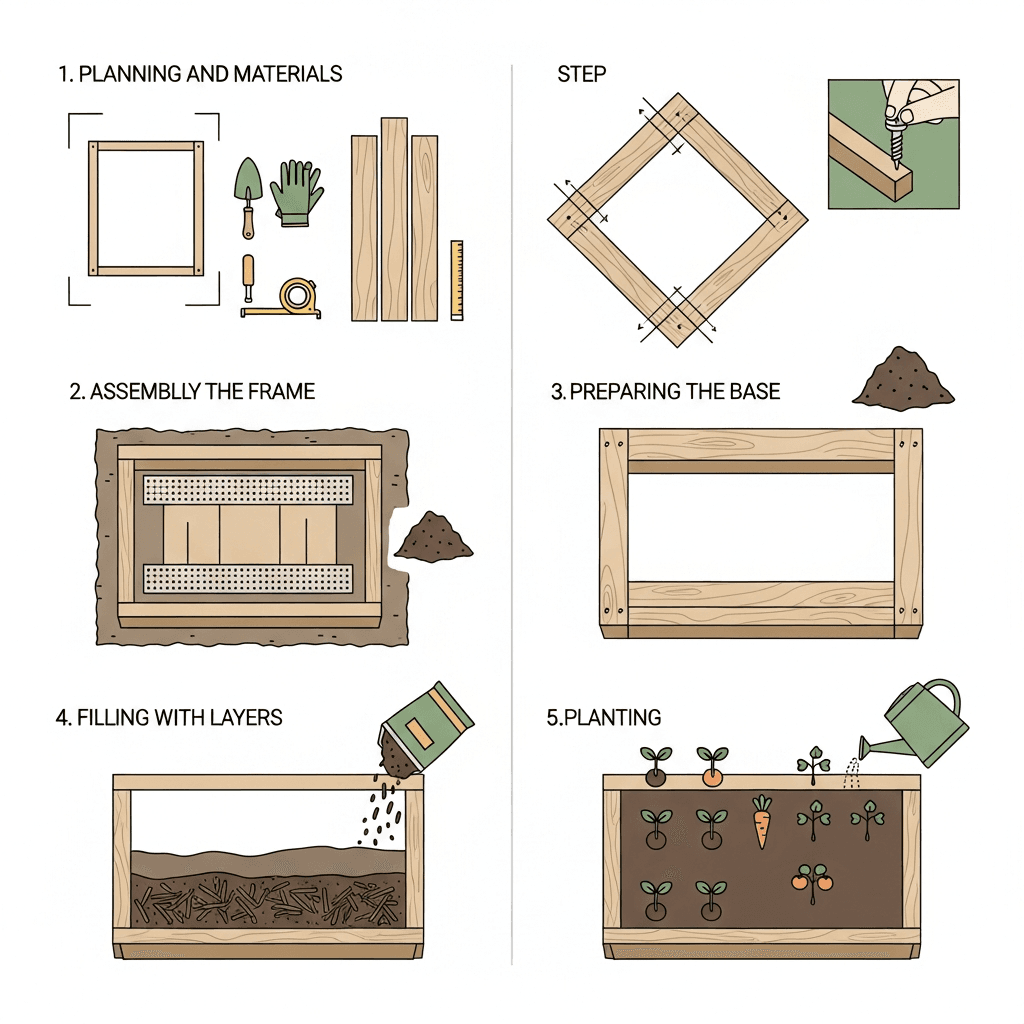
How to Build a Raised Bed Garden: Complete Soil & Materials Calculator Guide A standard 4x8-foot raised bed 12 inches deep requires 32 cubic feet (1.19 cubic yards) of soil mix, but you should order 1.4 cubic yards to account for 15-20% settling in the first growing season. The formula is simple: Length (ft) x Width (ft) x Depth (ft) = Volume in cubic feet, then divide by 27 for cubic yards. Material costs range from $20-40 for pine to $80-150 for cedar to $100-400 for steel, before you spend a single dollar on soil. A common first-year mistake shows why the overage matters: a gardener builds a 4x8x12-inch raised bed and orders exactly 1.0 cubic yard of a 50/30/20 topsoil-compost-perlite mix. The calculated volume is 32 cu ft, which equals 1.19 cubic yards, but the order gets rounded down after a supplier says "one yard is plenty." After filling,...
When to Start Seeds Indoors: Frost Date Calculator & Planting Schedule
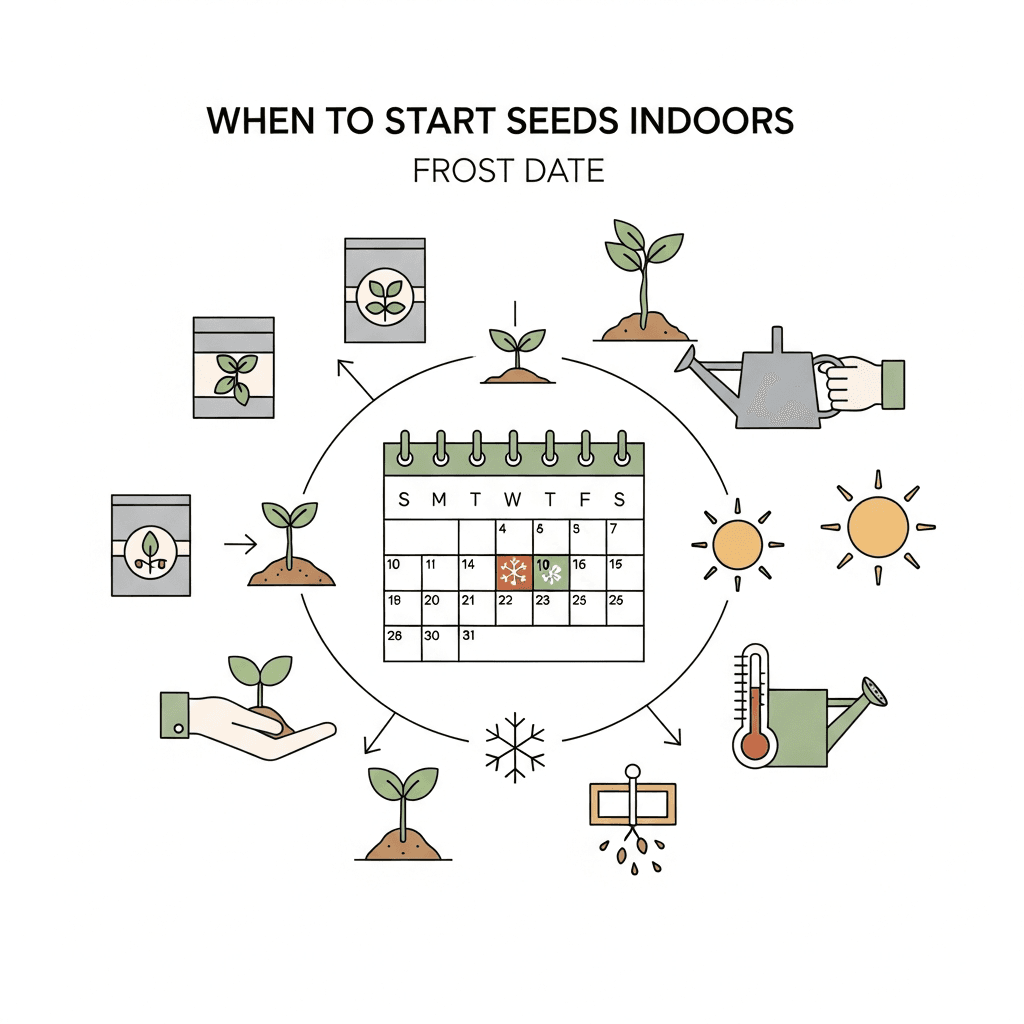
When to Start Seeds Indoors: Frost Date Calculator & Planting Schedule Start most warm-season vegetable seeds indoors 6-8 weeks before your last frost date, and cool-season crops 4-6 weeks before last frost. The formula is simple: Last Frost Date minus Weeks to Start equals Sowing Date. A tomato in Zone 6b (last frost April 20) should go into trays between February 23 and March 9. Plant too early and seedlings get leggy; plant too late and you lose weeks of productive growing season. An eager gardener I advised in Zone 6b (average last frost: April 20) transplanted $180 worth of warm-season seedlings -- tomatoes, peppers, squash, and basil -- outdoors on April 5 to "get a head start." A late frost on April 12 dropped temperatures to 28F. Every single transplant died. She replanted with store-bought transplants after the confirmed last frost, but the selection at the garden center was...