How Many Calories in a Smoothie? (2026 Data by Type & Chain)
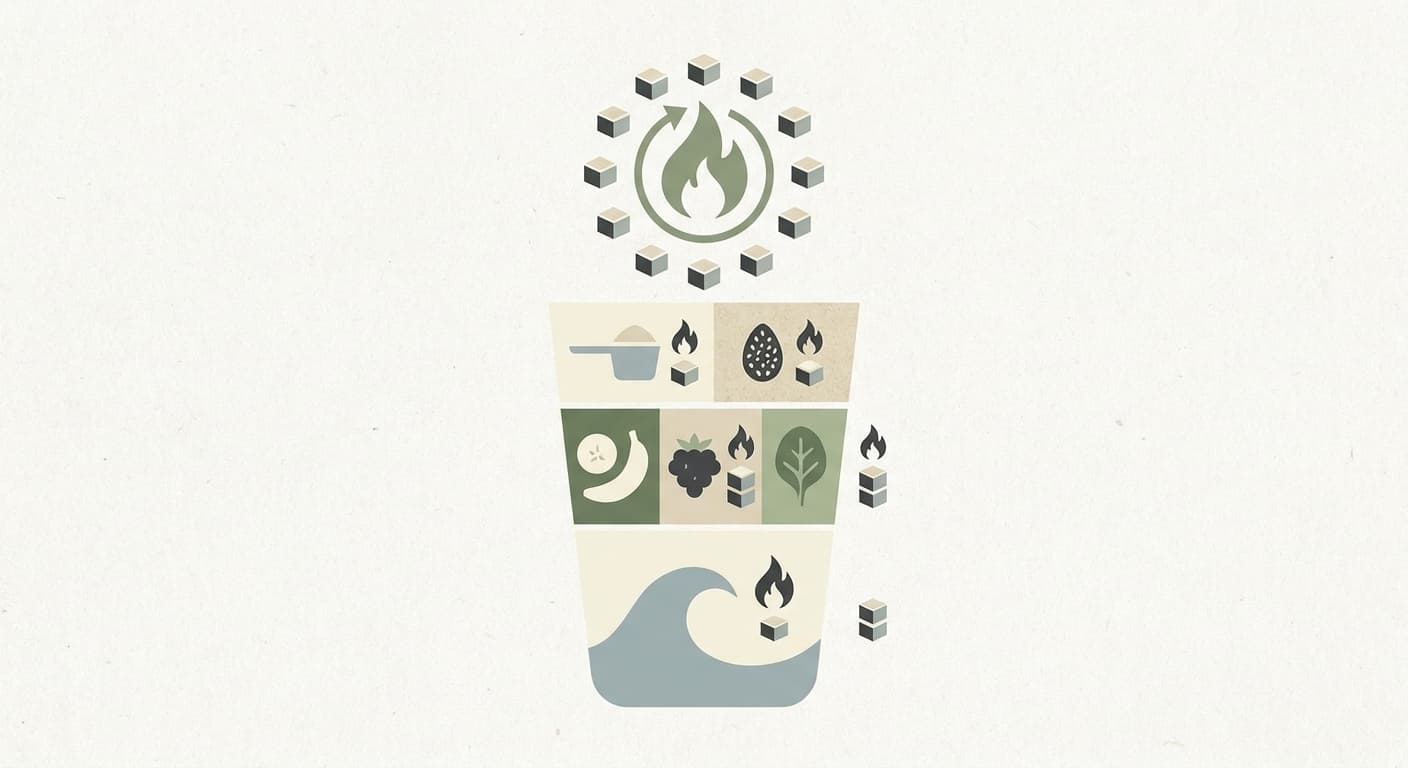
How Many Calories in a Smoothie? (2026 Data by Type & Chain) A homemade fruit smoothie has about 150 to 250 calories per serving, but a large chain smoothie can hit 340 to 1,270 calories — the base liquid and add-ins matter far more than the fruit. A 20 oz Smoothie King The Hulk Strawberry packs 890 calories, while a water-based green smoothie can stay under 150. To build your own and see the exact number before you blend, use our free Smoothie Calculator(/food/smoothie-calculator). A useful comparison is a homemade 195-calorie breakfast smoothie against a 32 oz "healthy" mango smoothie from a counter the same week. The store version came in at over 600 calories — three times the homemade one — for the same fruit-forward flavor. The difference was not the fruit. It was the sherbet, frozen yogurt, and fruit-juice base that the shop blended in. That is the...
Meal Prep Services in 2026: Cost, Convenience & Nutrition Analysis
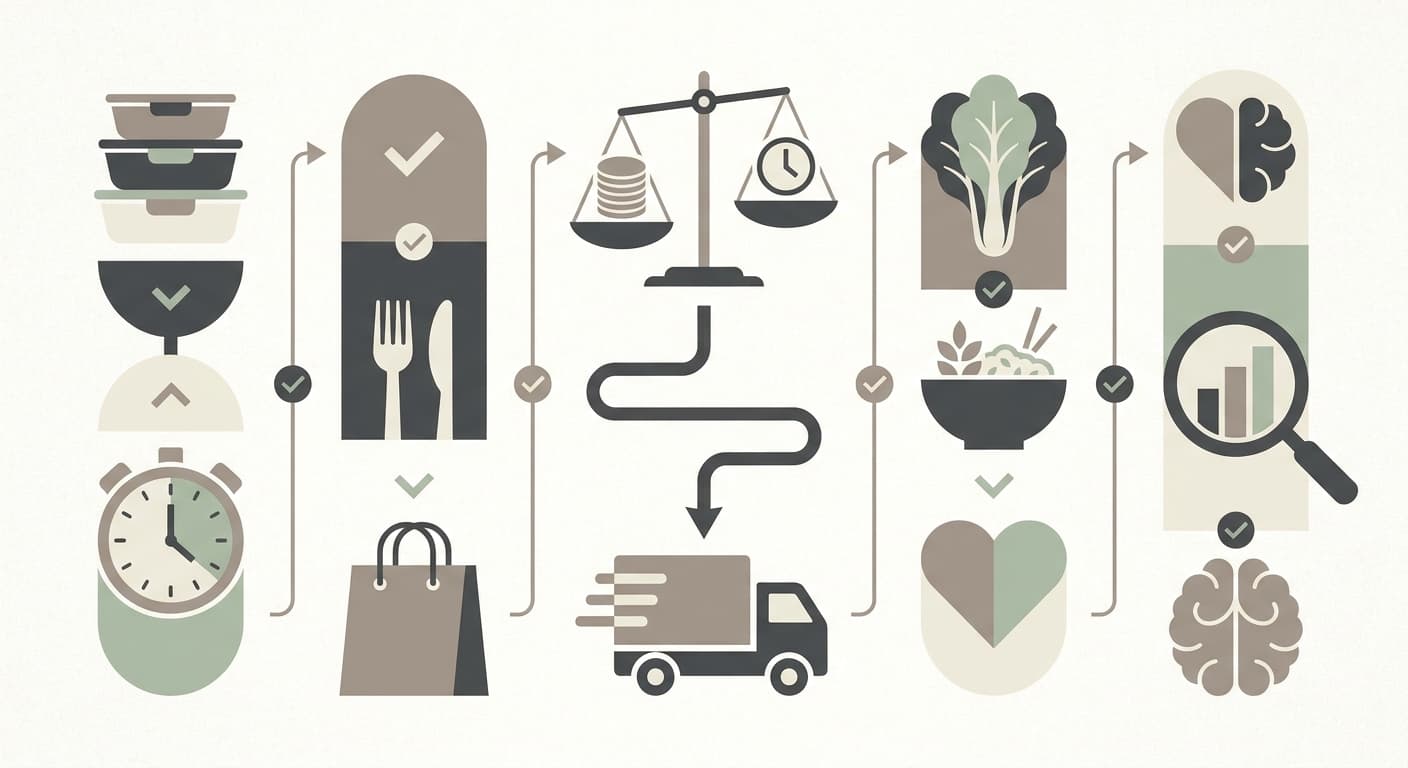
Meal Prep Services in 2026: Cost, Convenience & Nutrition Analysis Meal prep services cost $8 to $15 per meal in 2026, save 4 to 7 hours of weekly shopping and cooking, and deliver a median of 678 calories and 839 mg of sodium per serving. Fully-prepared heat-and-eat plans (Factor, Freshly) run $11-$15 per meal; cook-at-home kits (HelloFresh, Blue Apron) run $8-$11 per serving plus $10-$14 weekly shipping. The real decision is not price alone -- it is whether the convenience and nutrition control are worth the premium over scratch cooking. Use our Meal Prep Service Cost Calculator(/food/meal-prep-service-cost-calculator) to price your exact plan. Consider a representative comparison: tracking grocery-versus-delivery numbers for one household over a single week reveals a telling gap. Shopping, prepping, and cleaning for 14 dinners took 6 hours and still ended in $34 of wilted produce and leftovers thrown out. A 10-meal Factor box that same week cost...
Macro Calculator for Cutting and Bulking: How to Calculate Your Macros
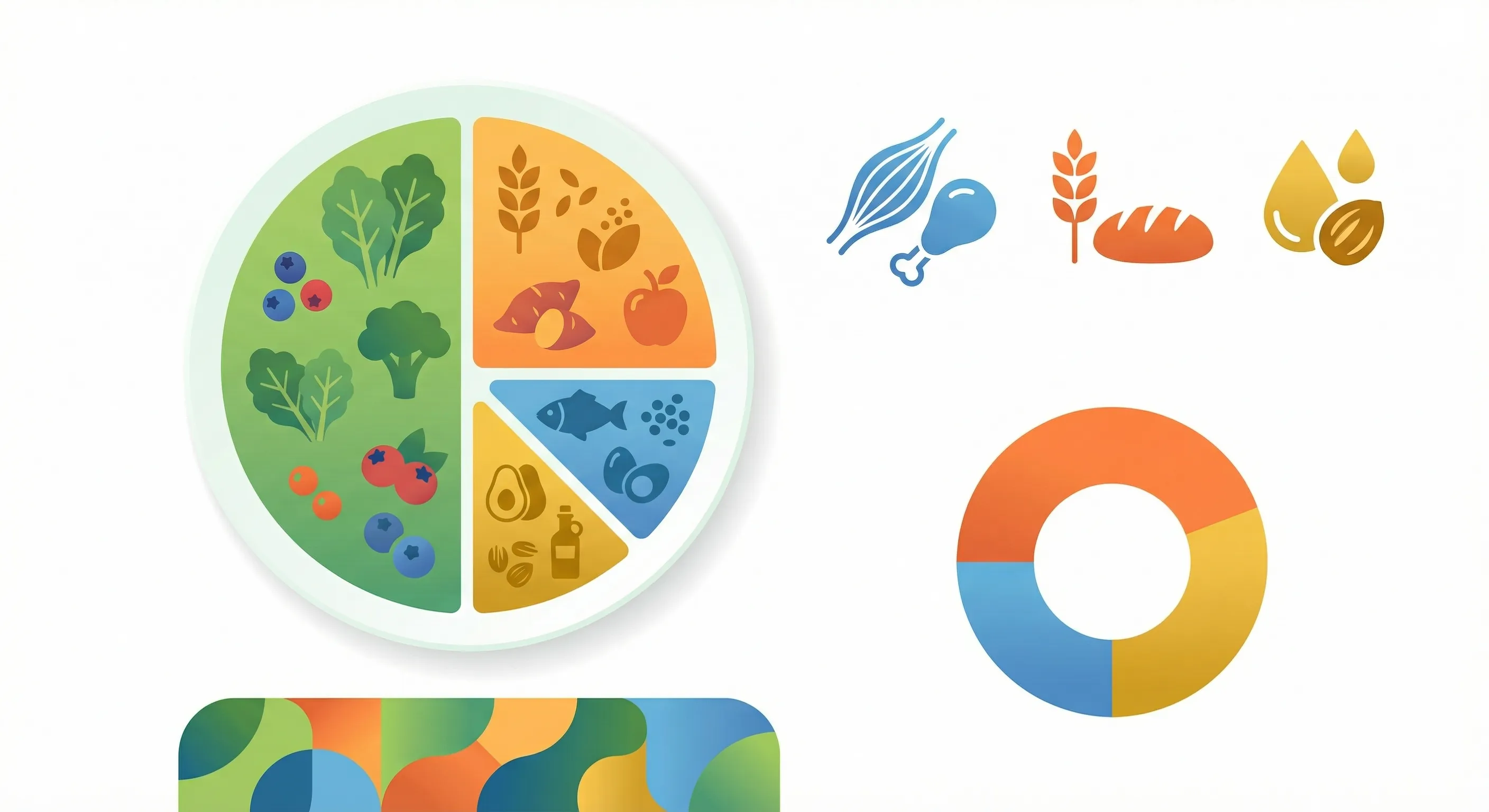
Macro Calculator for Cutting and Bulking: How to Calculate Your Macros Macros (macronutrients) are protein, carbohydrates, and fat — the three sources of calories in your diet. For cutting (fat loss), a typical macro split is 40% protein, 35% carbs, 25% fat. For bulking (muscle gain), it's 25% protein, 50% carbs, 25% fat. But the right split depends on your calories, preferences, and goals. Dialing in macros usually takes some trial and error, but the payoff shows up in results like this: a 12-week cut at 185g protein, 240g carbs, and 70g fat can take someone from 198 to 181 pounds while keeping bench press steady at 275 lbs. Tracking macros instead of just calories is the difference between losing muscle and losing only fat. If you are new to tracking, start by calculating your protein needs(/blog/protein-calculator-guide) first since protein is the most important macro for body composition. Use our...
Protein Calculator: How Much Protein Do You Need Per Day?
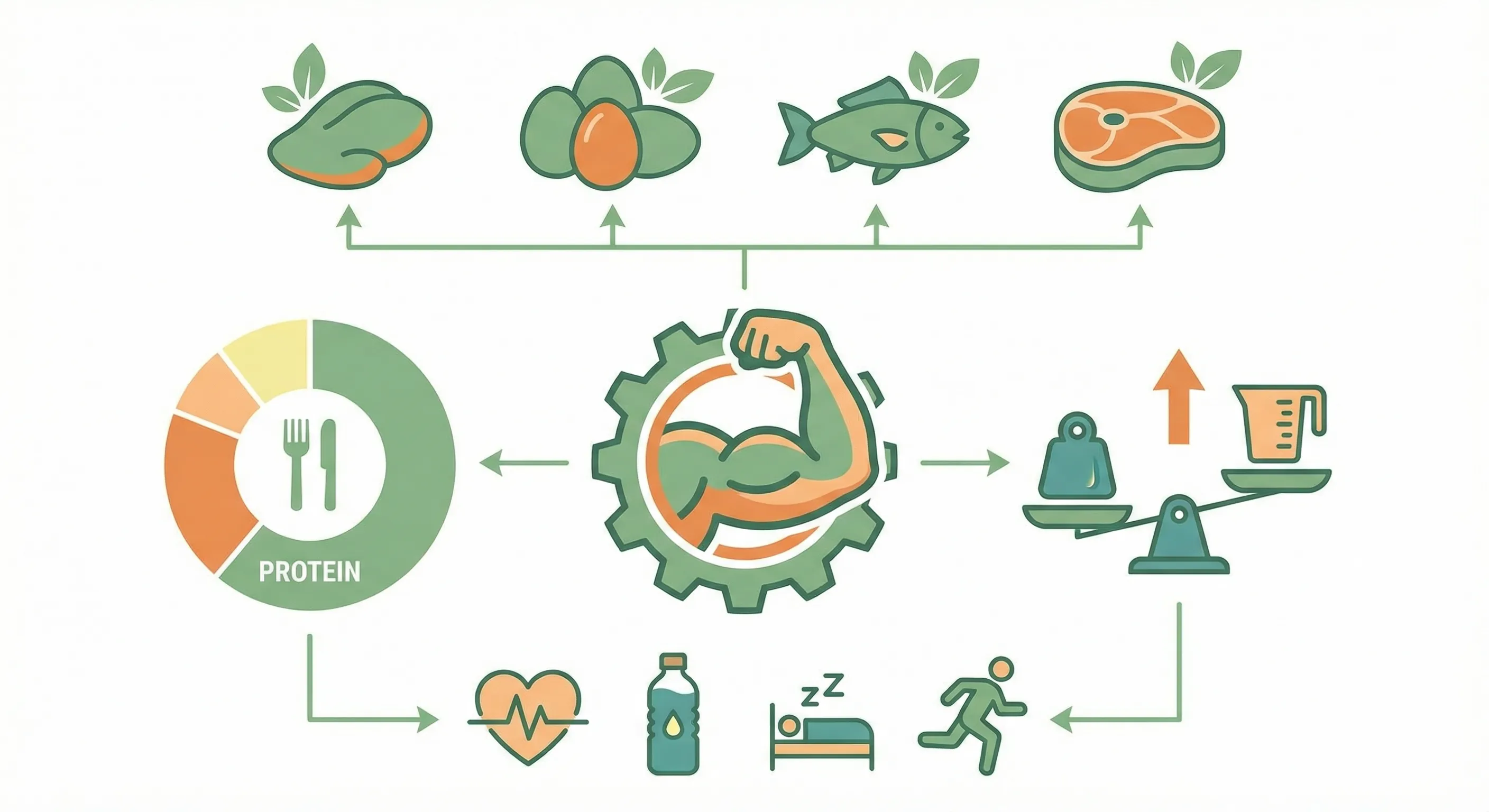
Protein Calculator: How Much Protein Do You Need Per Day? For muscle building and active individuals, aim for 0.7-1.0 grams of protein per pound of body weight. A 180-pound person focused on building muscle needs 126-180 grams of protein daily. For general health, 0.36 grams per pound (the RDA minimum) is sufficient, but most active people benefit from more. Consider a representative case: a 185-pound lifter eating only 80 grams of protein per day for the first two years of training sees little muscle gain. Bumping intake to 170 grams daily, split across four meals, can add 12 pounds of lean mass in six months while keeping body fat around 14%. Dialing in protein alongside tracking macros(/blog/macro-calculator-guide) is often the single biggest change that moves the needle. Use our Protein Calculator(/health/protein-intake-calculator) to get personalized recommendations based on your weight, goals, and activity level. !Daily protein needs chart showing grams per...
Calorie Deficit: Complete Guide to Losing Weight Safely and Effectively
Calorie Deficit: Complete Guide to Losing Weight Safely and Effectively Weight loss attempts often follow a familiar pattern: trying everything from keto to juice cleanses to the cabbage soup diet, losing weight, then gaining it back plus a few extra pounds. The science of energy balance changes that pattern. Not a fad. Not a shortcut. Just math that actually works. A sustainable calorie deficit can produce results like 35 pounds lost over 8 months and kept off long-term, because the underlying math -- not willpower -- is what holds. This guide lays out that calorie deficit explanation clearly, from the ground up. How Many Calories to Lose Weight? Calculate Your Daily Calories →(/health/calorie-calculator) Use our free calorie calculator(/health/calorie-calculator) to instantly determine your daily calorie needs for weight loss, maintenance, or muscle gain. You can also check your TDEE(/health/tdee-calculator) (Total Daily Energy Expenditure) for more detailed insights. A calorie deficit occurs...
Macro Tracking Guide: How to Count Macros for Weight Loss and Muscle Gain
Macro Tracking Guide: How to Count Macros for Weight Loss and Muscle Gain Tracking macros can save a lot of frustration — and make eating out with friends much easier. Rigid diet rules (no bread, no dessert, no eating after 7 PM) often fail long-term. Macro tracking allows for pizza with friends (as long as it fits the numbers) while still supporting results like losing 35 pounds. Sustainable weight loss doesn't require perfection or deprivation. Calculate Your Macros Use our free macro calculator below to get personalized protein, carbohydrate, and fat targets based on your goals. Macros (macronutrients) are the three main nutrients that provide calories: protein (4 cal/g), carbohydrates (4 cal/g), and fat (9 cal/g). For weight loss, a typical macro split is 30% protein, 35% carbs, and 35% fat. For a 2,000-calorie diet, this equals approximately 150g protein, 175g carbs, and 78g fat. Tracking macros gives you more...
Protein Intake Guide: How Much Protein Do You Really Need?
Protein Intake Guide: How Much Protein Do You Really Need? If there is one piece of nutrition advice worth acting on, it is this: eat more protein. Protein is the most underrated tool in weight loss. Raising intake from roughly 50g to 130g per day tends to blunt hunger, preserve lean mass during a calorie deficit, and change body composition rather than simply reducing the number on the scale. Calculate Your Protein Needs Use our free protein calculator below to get personalized daily protein recommendations based on your goals and activity level. The optimal protein intake depends on your goals. For general health, 0.36g per pound of body weight (0.8g/kg) is the minimum. For weight loss while preserving muscle, aim for 0.7-1.0g per pound. For building muscle, 0.8-1.2g per pound is ideal. A 170-pound person losing weight should consume 119-170g of protein daily, while someone focused on muscle gain might...