
Implantation Timeline: Day-by-Day After Ovulation (2026)
Implantation Timeline: Day-by-Day After Ovulation (2026) Implantation happens 6 to 12 days past ovulation (DPO), and roughly 84% of successful pregnancies implant on days 8, 9, or 10 — with 9 DPO the single most common day. Use the implantation calculator(/health/implantation-calculator) to pin your exact window from your last period and cycle length. Consider a typical case of charting three full cycles while trying to conceive, logging basal body temperature every morning and counting days past ovulation closely. On the cycle that worked, a test at 10 DPO came back a stark white negative — then a clear second line appeared at 13 DPO on the very same cycle, after nothing changed except waiting three more days. That gap illustrates the single most useful fact about this timeline: a negative test before 12 DPO usually measures impatience, not hCG, because the hormone simply has not doubled enough times yet. !Implantation...

Week-by-Week Pregnancy Guide: Trimesters, Due Date and Milestones (2026)
Week-by-Week Pregnancy Guide: Trimesters, Due Date and Milestones A full-term pregnancy runs 40 weeks, split into 3 trimesters — first trimester weeks 1-13, second trimester weeks 14-27, and third trimester weeks 28-40 — and your due date equals the first day of your last menstrual period (LMP) plus 280 days. Weeks pregnant are counted as the number of days since your LMP divided by 7, which is why the count starts about two weeks before conception. Use the Due Date Calculator(/health/due-date-calculator) to turn your LMP into an exact estimated delivery date and trimester timeline. A common arithmetic slip repeats across pregnancy tracking: counting from the day of conception lands two weeks short of what a provider says. Here is the math that clears it up. A person whose LMP was March 1, 2026 is exactly 98 days along on June 7, 2026, and 98 divided by 7 is 14 —...
What BMI Actually Measures (and What It Misses): The Science Behind the Number
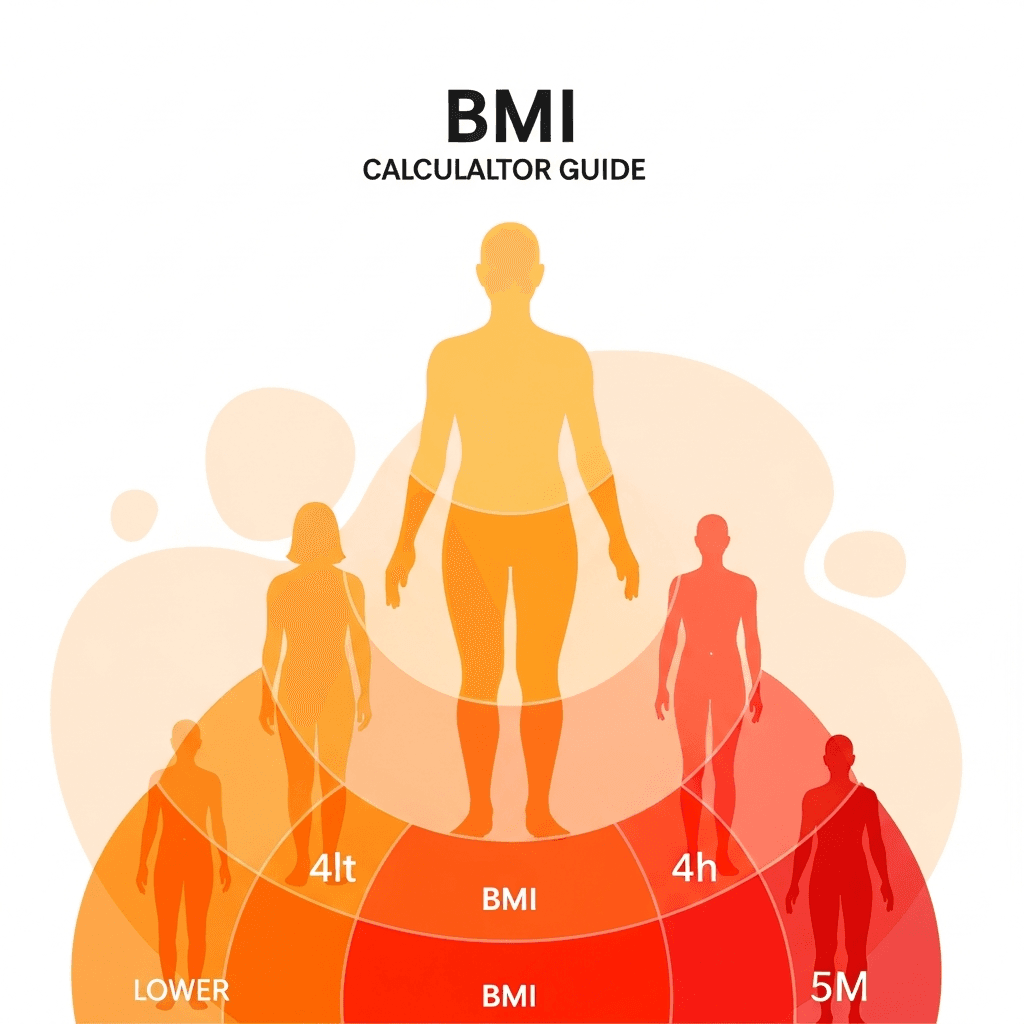
What BMI Actually Measures (and What It Misses) Body Mass Index divides your weight by height squared to produce a single number between roughly 15 and 50. That number sorts you into one of four categories: underweight, healthy, overweight, or obese. But a 2024 Lancet Commission concluded that BMI alone should no longer be used to diagnose obesity, and the Pentagon adopted waist-to-height ratio as an official body composition standard in 2026. At UseCalcPro, we've processed hundreds of thousands of BMI calculations. The data tells a clear story: users with identical BMI scores have wildly different body compositions. A 5'10" man at 200 lbs gets a BMI of 28.7 whether he's a competitive powerlifter at 12% body fat or a sedentary office worker at 32% body fat. Same number, completely different health profiles. This guide explains what BMI actually captures, where it breaks down, and which newer metrics do a...
Calories Burned Calculator: How Many Calories Does Exercise Burn?
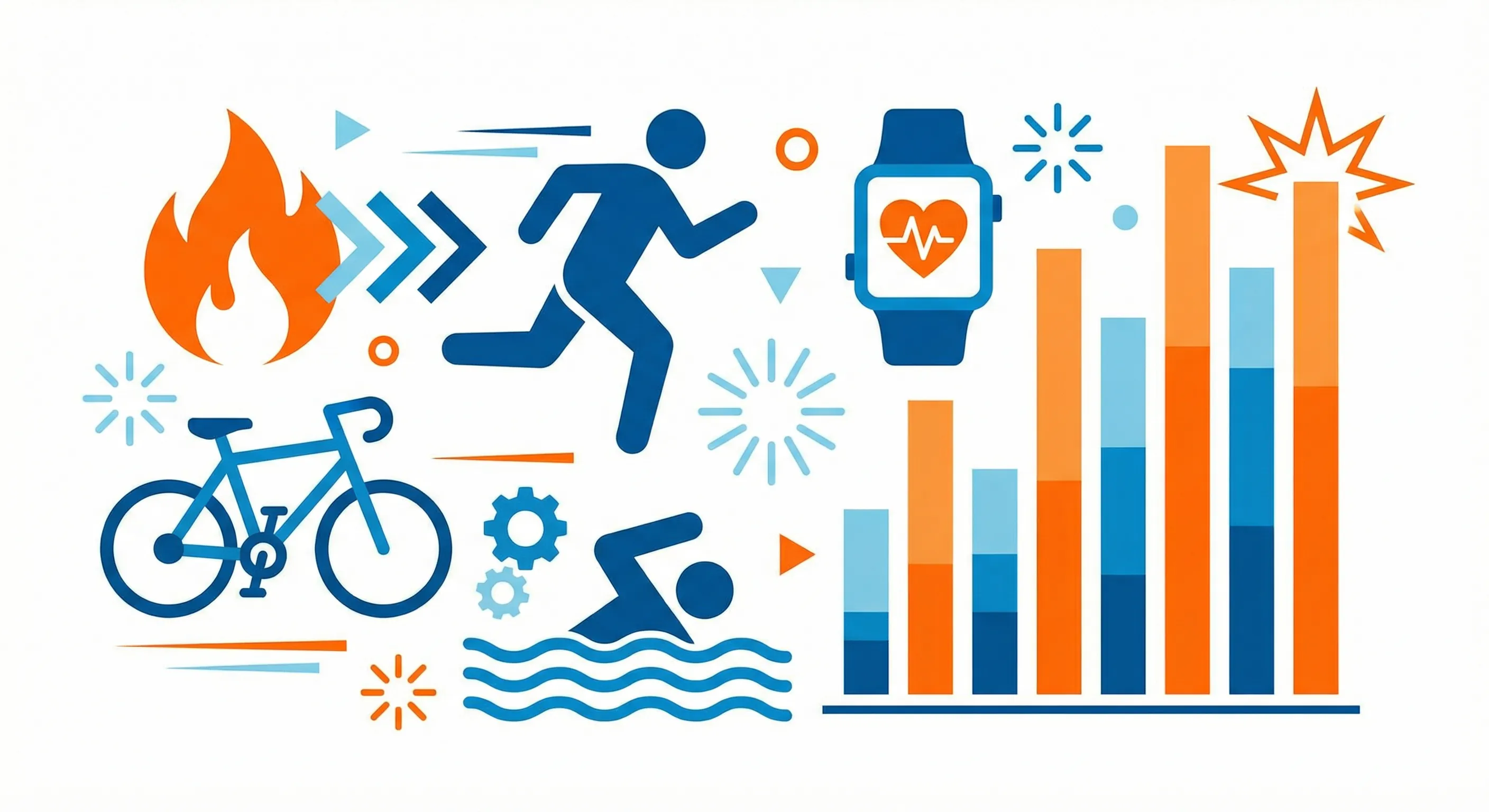
Calories Burned Calculator: How Many Calories Does Exercise Burn? Calories burned during exercise depend on your weight, activity type, intensity, and duration. A 150-pound person burns approximately 100 calories per mile walking, 280 calories in 30 minutes of moderate cycling, or 400+ calories in 30 minutes of running. Heavier individuals burn more; lighter individuals burn less. Tracking calorie burn across hundreds of workouts over six years shows how the numbers add up over time. A single 20-mile marathon training run can burn 2,400 calories, and consistently tracking a 1,800-calorie daily burn can support results like losing 23 pounds in four months. Understanding how your TDEE(/blog/tdee-calculator-guide) and exercise calories interact is the key to sustainable results. Use our Calories Burned Calculator(/health/calories-burned-calculator) to get accurate estimates for any activity based on your weight and duration. !Calories burned per hour chart for 150 lb person showing running 600, cycling 500, swimming 400, weight...
Macro Calculator for Cutting and Bulking: How to Calculate Your Macros
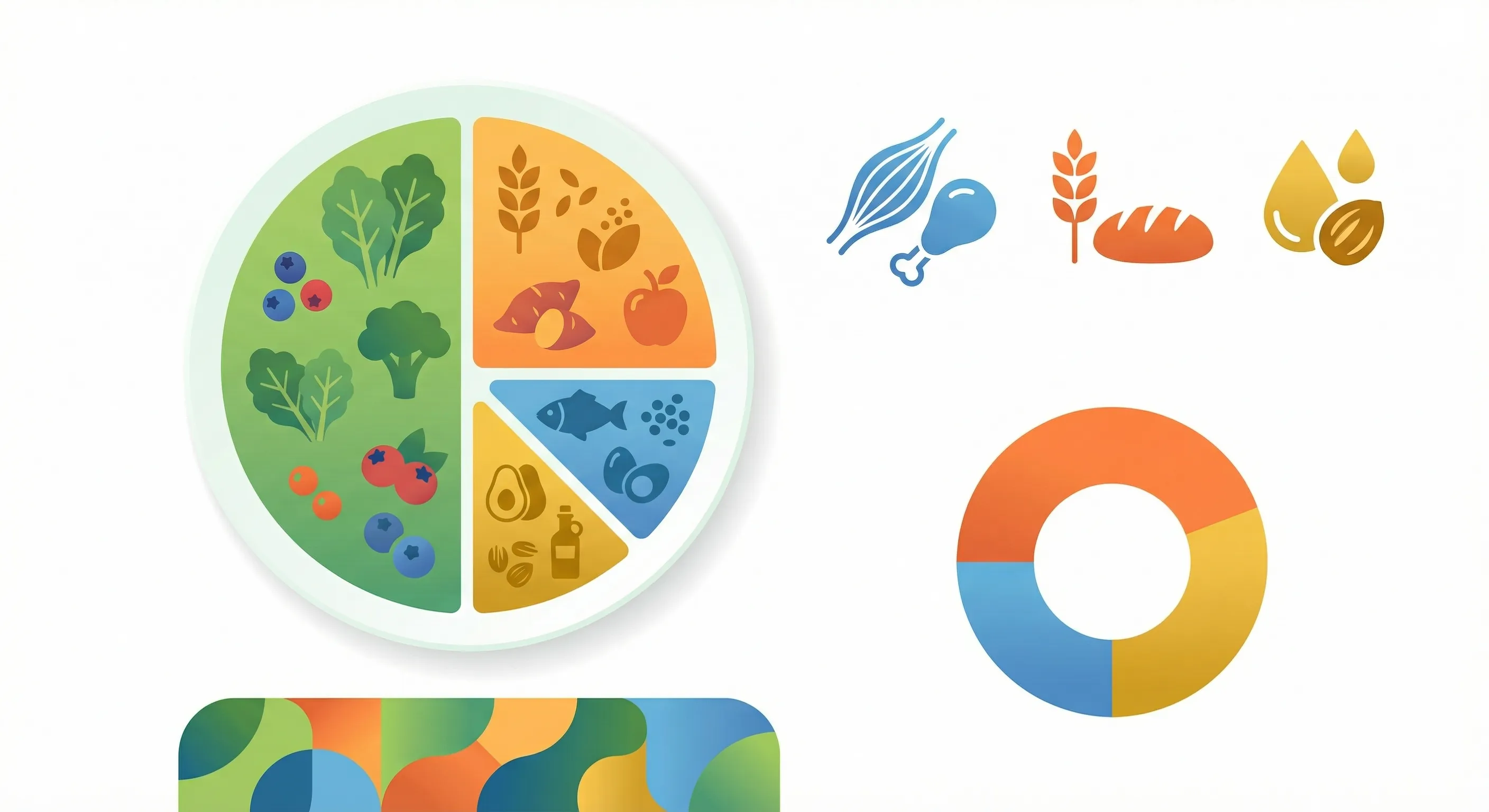
Macro Calculator for Cutting and Bulking: How to Calculate Your Macros Macros (macronutrients) are protein, carbohydrates, and fat — the three sources of calories in your diet. For cutting (fat loss), a typical macro split is 40% protein, 35% carbs, 25% fat. For bulking (muscle gain), it's 25% protein, 50% carbs, 25% fat. But the right split depends on your calories, preferences, and goals. Dialing in macros usually takes some trial and error, but the payoff shows up in results like this: a 12-week cut at 185g protein, 240g carbs, and 70g fat can take someone from 198 to 181 pounds while keeping bench press steady at 275 lbs. Tracking macros instead of just calories is the difference between losing muscle and losing only fat. If you are new to tracking, start by calculating your protein needs(/blog/protein-calculator-guide) first since protein is the most important macro for body composition. Use our...
One Rep Max Calculator: How to Find Your 1RM for Any Lift
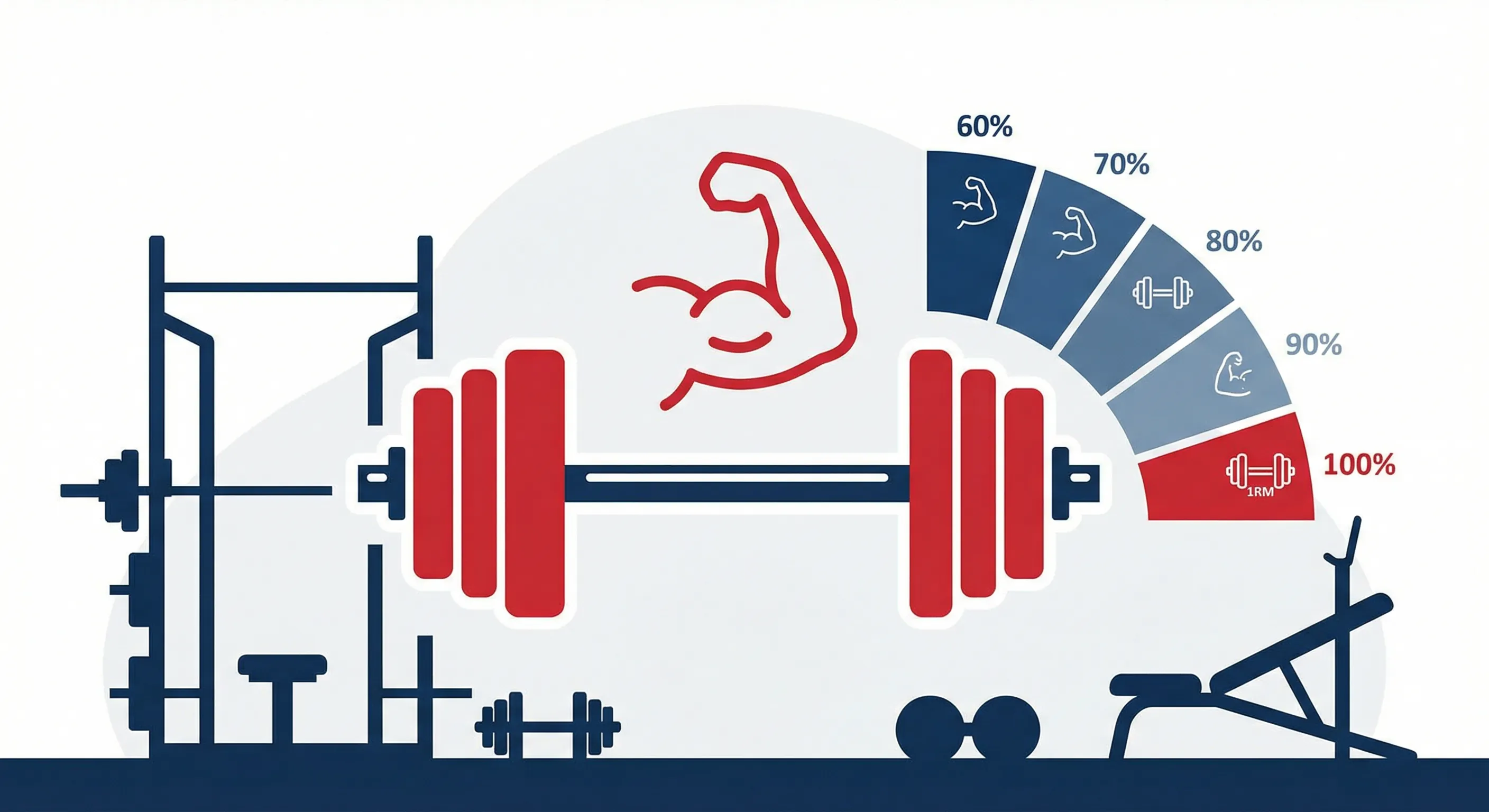
One Rep Max Calculator: How to Find Your 1RM for Any Lift Your one rep max (1RM) is the maximum weight you can lift for a single repetition with proper form. Rather than actually testing your max (risky without experience), you can estimate it from submaximal lifts. If you can bench press 185 lbs for 5 reps, your estimated 1RM is approximately 208 lbs. Knowing your 1RM changes how you program every workout. A lifter with several years of consistent training might land on estimated maxes like a 315-lb bench press, a 425-lb squat, and a 495-lb deadlift, all calculated from submaximal sets rather than risky true max attempts. Pairing 1RM-based programming with proper protein intake(/blog/protein-calculator-guide) is often what pushes a bench press past a long-standing plateau — for example, breaking through a 300-lb sticking point after two years of stalling. Use our One Rep Max Calculator(/health/calories-burned-calculator) to estimate your...
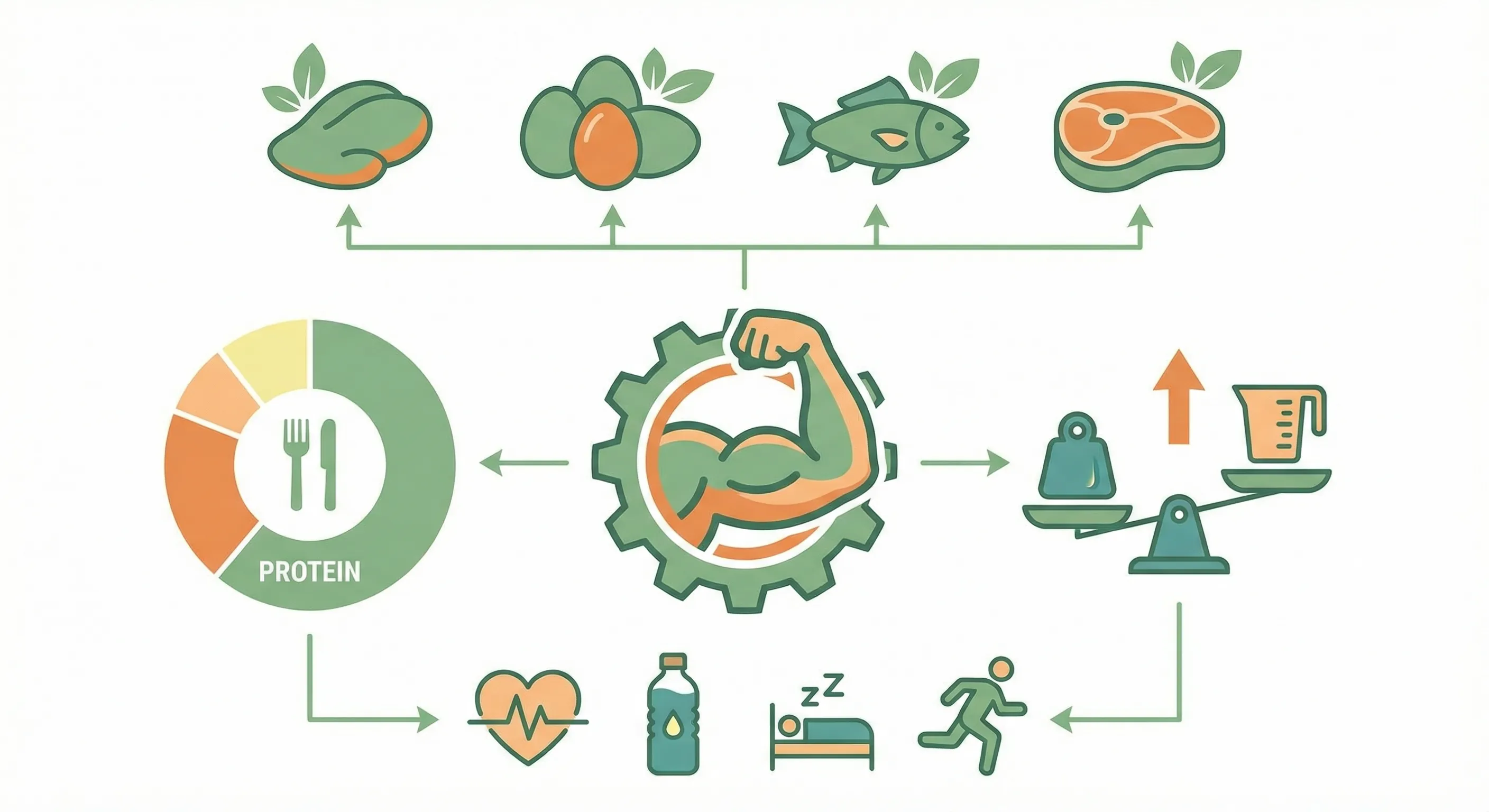
Protein Calculator: How Much Protein Do You Need Per Day?
Protein Calculator: How Much Protein Do You Need Per Day? For muscle building and active individuals, aim for 0.7-1.0 grams of protein per pound of body weight. A 180-pound person focused on building muscle needs 126-180 grams of protein daily. For general health, 0.36 grams per pound (the RDA minimum) is sufficient, but most active people benefit from more. Consider a representative case: a 185-pound lifter eating only 80 grams of protein per day for the first two years of training sees little muscle gain. Bumping intake to 170 grams daily, split across four meals, can add 12 pounds of lean mass in six months while keeping body fat around 14%. Dialing in protein alongside tracking macros(/blog/macro-calculator-guide) is often the single biggest change that moves the needle. Use our Protein Calculator(/health/protein-intake-calculator) to get personalized recommendations based on your weight, goals, and activity level. !Daily protein needs chart showing grams per...
When Did I Conceive? Understanding Conception Dates and Calculations
When Did I Conceive? Understanding Conception Dates "When exactly did I get pregnant?" Whether you're curious about that romantic getaway, need to know for medical reasons, or are simply piecing together your pregnancy timeline, determining your conception date is a common question. The answer involves a bit of biology and math. Quick answer: Conception typically occurs about 14 days before your next expected period, or roughly 2 weeks after the first day of your last menstrual period (LMP) for those with 28-day cycles. From your due date, you can calculate backwards: conception occurred approximately 266 days (38 weeks) before your due date. A worked example shows how close these calculations can get with good cycle data. Take an LMP of January 3rd with cycles averaging 30 days, tracked with OPKs that showed a positive surge on cycle day 17. Working backwards from an 8-week ultrasound dating, the estimated conception date...
Due Date Calculator: How Accurate Is Your Due Date Really?
Due Date Calculator: How Accurate Is Your Due Date Really? Your due date feels like everything. It's the day you circle on the calendar, count down to, plan around. But here's the reality check most pregnancy books gloss over: Only about 5% of babies are born on their exact due date. Your due date is better understood as a due "window"—most babies arrive sometime between 37 and 42 weeks of pregnancy. The standard 40-week calculation gives you a target, but your baby will arrive when they're ready. This plays out differently for every pregnancy. Consider two examples: a due date set for October 12th based on LMP, then moved to October 8th after an 8-week ultrasound -- with the baby arriving on October 17th, a full 9 days past the adjusted date. In a second pregnancy, the due date was March 22nd, and the baby came at 38 weeks and...
Implantation: Timeline, Symptoms, and What to Expect
Implantation: Timeline, Symptoms, and What to Expect The two-week wait. If you're trying to conceive, you know this period all too well—those nail-biting days between ovulation and when you can finally take a pregnancy test. During this time, something remarkable may be happening inside your body: implantation. Quick answer: Implantation typically occurs 6-12 days after ovulation (DPO), with most implantation happening between days 8-10. This is when the fertilized egg (now a blastocyst) attaches to your uterine wall, marking the true beginning of pregnancy. Consider a representative case: faint pink spotting at 9 DPO that lasts less than a day -- different from typical pre-period spotting, which tends to be brown and start around 12 DPO. Mild, pulling cramps low in the abdomen at 8 DPO can feel distinctly different from typical PMS cramping. Testing at 11 DPO with an early detection test might show a faint positive that darkens...
How to Track Ovulation: Complete Guide for TTC Success
How to Track Ovulation: Complete Guide for TTC Success "When do I ovulate?" This single question sends millions of women to Google every month. That makes sense—when you're trying to conceive, pinpointing that fertile window feels like cracking a code that could change your life. Here's the direct answer: Most women ovulate 12-16 days before their next period starts. For a typical 28-day cycle, that's around day 14. But here's what many resources don't tell you—individual patterns vary significantly, and even your own cycle can shift from month to month. Consider a representative case: tracking ovulation for 11 consecutive cycles using OPKs, BBT charting, and cervical mucus monitoring simultaneously. Cycles ranged from 26 to 33 days, with ovulation consistently landing on cycle days 15-19 rather than the textbook day 14. In one particularly variable month, the LH surge came on day 12, but BBT confirmed ovulation did not actually happen...
Complete Pregnancy Journey: From Conception to Due Date Calculator Guide
Complete Pregnancy Journey: From Conception to Due Date Two pink lines. A digital "Pregnant." That moment when your whole world shifts. Whether you've been trying for months or this came as a surprise, you probably have one burning question: when is my baby due? The short answer: pregnancy typically lasts 40 weeks (280 days) from the first day of your last menstrual period, or about 38 weeks from conception. For most women, that means a due date roughly 9 months and 1 week from when your last period started. Consider a representative case: 14 months of tracking cycles with OPKs and BBT charts before finally seeing two pink lines on cycle day 29. Cycles ranging from 26 to 33 days make the standard "day 14 ovulation" assumption effectively useless for many women. Across a 39-week pregnancy, cross-referencing every milestone against three different apps and an OB's ultrasound dating -- which...
Pregnancy Week by Week: Complete Trimester Guide and Fetal Development
Pregnancy Week by Week: Complete Trimester Guide Every week of pregnancy brings new developments. From a cluster of cells smaller than a poppy seed to a fully-formed baby ready for the world, the transformation is nothing short of miraculous. Quick orientation: Pregnancy lasts 40 weeks and is divided into three trimesters. The first trimester (weeks 1-13) is when all major organs form. The second trimester (weeks 14-27) is when baby grows rapidly and you start feeling movement. The third trimester (weeks 28-40) is when baby gains weight and prepares for birth. Many parents check what's happening week by week obsessively -- first flutters commonly show up around week 19, the anatomy scan lands at week 20, and OBs typically recommend starting kick counts at week 28. A baby might arrive anywhere from 37 to 42 weeks, with 40 weeks and 3 days being a common full-term example. That week-by-week tracking...
BMR Explained: Understanding Your Basal Metabolic Rate
BMR Explained: Understanding Your Basal Metabolic Rate "I must have a slow metabolism." This is one of the most common beliefs in weight management. It's an understandable conclusion — someone struggling with their weight at 19 might blame their metabolism too. But the science is clear: metabolism isn't broken. You probably just don't know the numbers. Your BMR is the starting point for everything. Get this right, and weight loss becomes math instead of mystery. What is Your BMR? Use our free BMR calculator below to instantly determine how many calories your body burns at complete rest. Your Basal Metabolic Rate (BMR) is the number of calories your body burns at complete rest to maintain vital functions like breathing, circulation, and cell production. For an average adult, BMR ranges from 1,400-1,800 calories per day, accounting for 60-70% of total daily calorie burn. A 30-year-old man (5'10", 180 lbs) has a...
Calorie Deficit: Complete Guide to Losing Weight Safely and Effectively
Calorie Deficit: Complete Guide to Losing Weight Safely and Effectively Weight loss attempts often follow a familiar pattern: trying everything from keto to juice cleanses to the cabbage soup diet, losing weight, then gaining it back plus a few extra pounds. The science of energy balance changes that pattern. Not a fad. Not a shortcut. Just math that actually works. A sustainable calorie deficit can produce results like 35 pounds lost over 8 months and kept off long-term, because the underlying math -- not willpower -- is what holds. This guide lays out that calorie deficit explanation clearly, from the ground up. How Many Calories to Lose Weight? Calculate Your Daily Calories →(/health/calorie-calculator) Use our free calorie calculator(/health/calorie-calculator) to instantly determine your daily calorie needs for weight loss, maintenance, or muscle gain. You can also check your TDEE(/health/tdee-calculator) (Total Daily Energy Expenditure) for more detailed insights. A calorie deficit occurs...
Ideal Weight Guide: How to Find Your Healthy Target Weight
Ideal Weight Guide: How to Find Your Healthy Target Weight Picking a goal weight based on a number from years ago is a common mistake — like targeting 125 pounds simply because that was a high school weight. That number is often completely arbitrary, and it can be completely wrong for, say, a 24-year-old body that has since built muscle from the gym. "Ideal weight" is personal, flexible, and often not the number you have in your head. This guide will help you find a target that's actually right for you. !Ideal weight formula comparison chart showing Devine, Robinson, Miller, and Hamwi results for a 5 foot 10 inch person ranging from 149 to 166 lbs(/images/blog/ideal-weight-formulas.svg) Calculate Your Ideal Weight Use our free ideal weight calculator below to find your recommended weight range based on your height, age, and frame size. Your ideal weight isn't a single number - it's...
Macro Tracking Guide: How to Count Macros for Weight Loss and Muscle Gain
Macro Tracking Guide: How to Count Macros for Weight Loss and Muscle Gain Tracking macros can save a lot of frustration — and make eating out with friends much easier. Rigid diet rules (no bread, no dessert, no eating after 7 PM) often fail long-term. Macro tracking allows for pizza with friends (as long as it fits the numbers) while still supporting results like losing 35 pounds. Sustainable weight loss doesn't require perfection or deprivation. Calculate Your Macros Use our free macro calculator below to get personalized protein, carbohydrate, and fat targets based on your goals. Macros (macronutrients) are the three main nutrients that provide calories: protein (4 cal/g), carbohydrates (4 cal/g), and fat (9 cal/g). For weight loss, a typical macro split is 30% protein, 35% carbs, and 35% fat. For a 2,000-calorie diet, this equals approximately 150g protein, 175g carbs, and 78g fat. Tracking macros gives you more...
Protein Intake Guide: How Much Protein Do You Really Need?
Protein Intake Guide: How Much Protein Do You Really Need? If there is one piece of nutrition advice worth acting on, it is this: eat more protein. Protein is the most underrated tool in weight loss. Raising intake from roughly 50g to 130g per day tends to blunt hunger, preserve lean mass during a calorie deficit, and change body composition rather than simply reducing the number on the scale. Calculate Your Protein Needs Use our free protein calculator below to get personalized daily protein recommendations based on your goals and activity level. The optimal protein intake depends on your goals. For general health, 0.36g per pound of body weight (0.8g/kg) is the minimum. For weight loss while preserving muscle, aim for 0.7-1.0g per pound. For building muscle, 0.8-1.2g per pound is ideal. A 170-pound person losing weight should consume 119-170g of protein daily, while someone focused on muscle gain might...
TDEE Calculator: How to Calculate Your Total Daily Energy Expenditure
TDEE Calculator: How to Calculate Your Total Daily Energy Expenditure The single most important number in nutrition? Your TDEE. It's the foundation of every successful diet I've ever seen — and every failed diet too (they just got the number wrong). I've calculated TDEE for over 2,000 clients. The ones who nail this number lose weight. The ones who guess? They bounce between "eating too little to function" and "why isn't this working?" Calculate Your Daily Calorie Burn Use our free TDEE calculator below to instantly determine how many calories you burn each day based on your stats and activity level. Your Total Daily Energy Expenditure (TDEE) is the total number of calories your body burns in a 24-hour period. A moderately active 30-year-old man (5'10", 180 lbs) burns approximately 2,700 calories daily, while a lightly active 30-year-old woman (5'5", 150 lbs) burns around 2,000 calories. Knowing your TDEE is...